Cinnamon
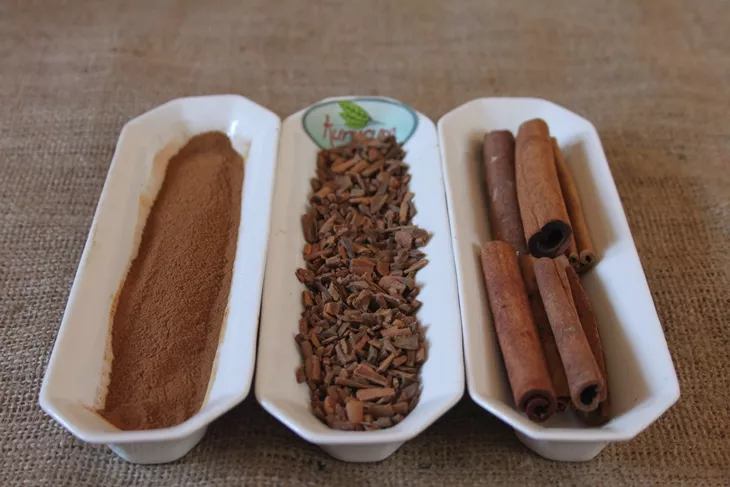
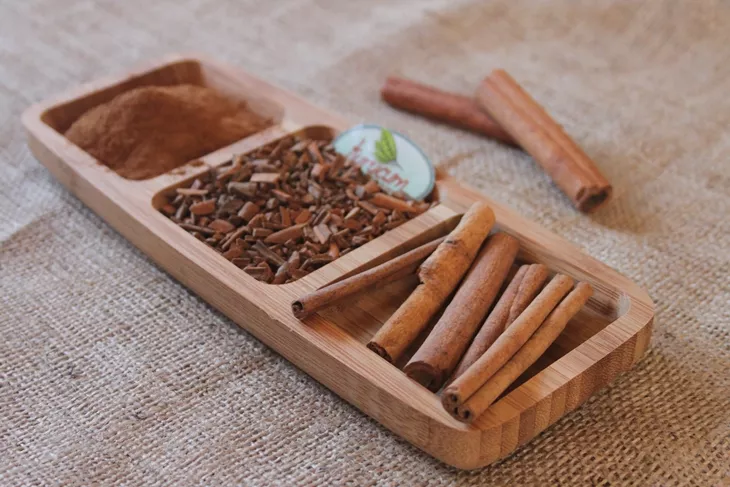
What Are the Cinnamon Sales Varieties?
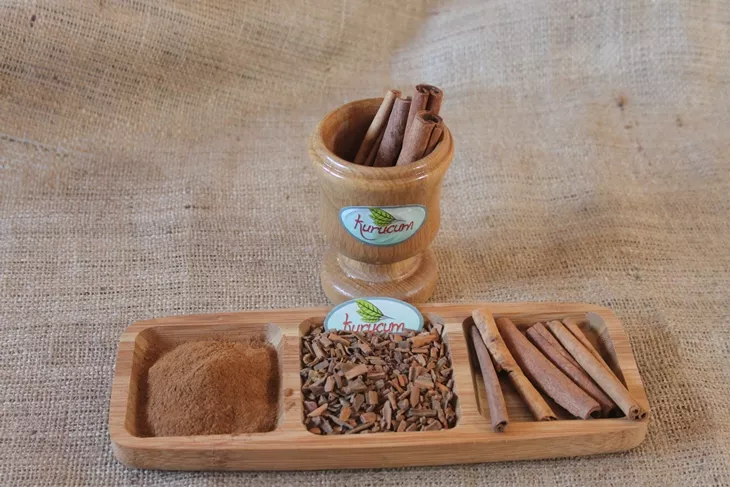
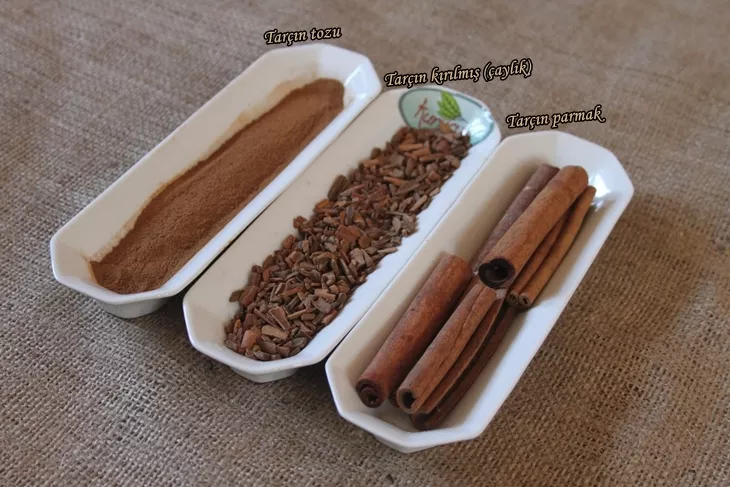
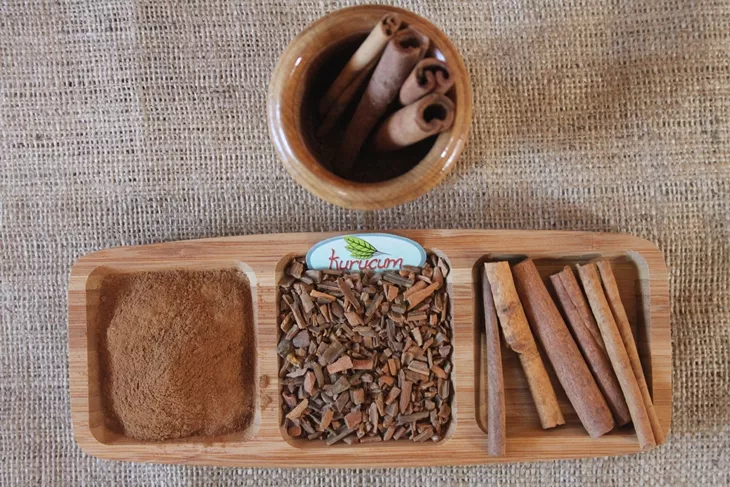
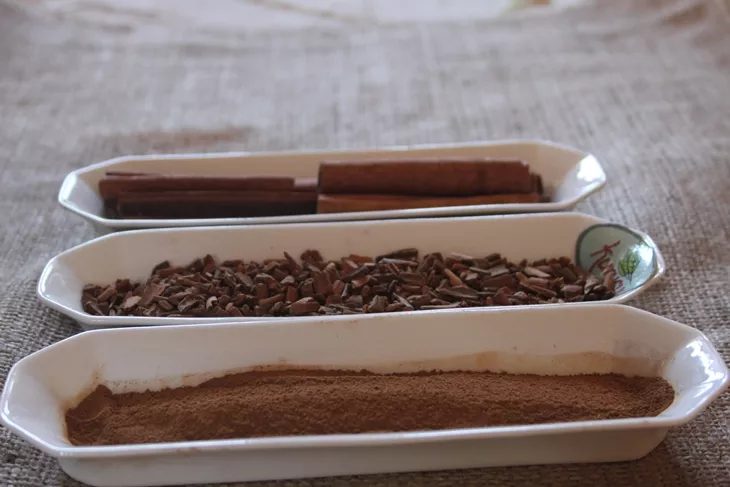
Whole cinnamon (stick)
Cinnamon powder
Broken cinnamon (for tea blends)
Where Is Cinnamon Used?
What Is Its Role in Industrial Production?
Where Can It Be Used in Food Production:
- Spice Blends: Cinnamon is used in tea, fruit, and spice blends. It can be found as a flavoring agent in various beverages.
- Desserts and Pastries: It is used as a flavoring agent in sweet and pastry products such as cakes, cookies, and pastries. Cinnamon-sugar mixtures are also preferred for garnishing ice cream and desserts.
- Sauces and Jams: Cinnamon is used to add flavor to fruit jams, especially apple jam and apricot marmalade. It also adds a delicious touch to meat and vegetable sauces.
- Beverages: Cinnamon is used as a sweetener and flavoring agent in coffee, tea, and hot drinks (especially winter beverages).
- Flavorings and Natural Sweeteners: Cinnamon can be used in food production as a natural sweetener instead of sugar. It is also preferred as a coloring and aromatic agent in flavored drinks and desserts.
Functional and Dietary Supplement Products:
- Diabetic Products: Since cinnamon may help balance blood sugar, it can be used in supplements aimed at diabetic patients.
- Digestive Products: Cinnamon has soothing effects on the digestive system and can be used in supplements aimed at improving gut health.
- Antioxidant Supplements: Cinnamon may support the immune system by showing antioxidant effects in the body. Therefore, it is found in herbal dietary supplements.
Cosmetics and Skin Care:
- Skin Masks and Peels: Cinnamon accelerates blood circulation in the skin, providing a natural glow and radiance. It is frequently used in natural peels and face masks.
- Hair Care Products: Cinnamon may stimulate the scalp and support hair growth. It can be used in hair masks and shampoos.
- Aromatherapy Products: With its warm and spicy scent, cinnamon can be used in aromatherapy products. It provides calming and relaxing effects.
- Skin Revitalizer: Cinnamon may help even out skin tone and contributes to the removal of dead skin cells.
Home Uses and Applications?
Snacks and Diet Products:
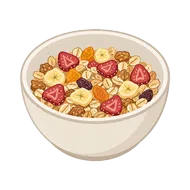
- How to Use in Snacks: Cinnamon can be used as a flavoring agent in fruit salads, yogurts, or cereals used in functional snacks.
- Diet Products: Cinnamon may assist with weight control. It is found in diet products due to its sugar-balancing properties.
- How to Use in Hot Drinks: It is used as a natural sweetener in beverages such as cinnamon tea, coffee, and hot chocolate.
Homemade Teas and Drinks:
- Homemade Teas: Cinnamon can be used to make hot cinnamon tea, especially on cold winter days. Cinnamon tea offers a beneficial beverage alternative.
- Coffee and Hot Drinks: Cinnamon can be used as a flavor enhancer, especially in drinks like coffee or hot chocolate.
Desserts and Baking:
- Homemade Desserts: Cinnamon is used as a flavor enhancer in homemade desserts, cakes, and cookies. Cinnamon cakes are also widely used in desserts.
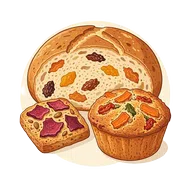
- Bakery Products: Cinnamon can be used to add flavor and aroma to pastries, buns, and other bakery products. Products like cinnamon rolls and mushroom desserts are well-known.
Skin Care and Natural Products:
- Natural Face Masks: Cinnamon is used in natural skin masks to moisturize and revitalize the skin.
- Skin Exfoliant: Cinnamon can be used as a natural exfoliant to remove dead skin cells.
Dried Cinnamon Nutrition Facts Table
| Component | Amount (100 g) | Sources |
|---|---|---|
| Calories | 247 kcal | USDA, 2020; Bowers et al., 2021 |
| Carbohydrates | 81 g | USDA, 2020; Chao et al., 2020 |
| Fiber | 53 g | USDA, 2020; Zhang et al., 2019 |
| Sugar | 2.2 g | USDA, 2020; Das et al., 2021 |
| Protein | 4 g | USDA, 2020; Kahn et al., 2021 |
| Fat | 1.2 g | USDA, 2020; Majeed et al., 2020 |
| Calcium | 1002 mg | USDA, 2020; Jansen et al., 2021 |
| Iron | 8.3 mg | USDA, 2020; Rahmani et al., 2020 |
| Potassium | 431 mg | USDA, 2020; Gholamhoseinian et al., 2020 |
| Sodium | 10 mg | USDA, 2020; Ma et al., 2019 |
| Vitamin C | 3.8 mg | USDA, 2020; Conforti et al., 2021 |
| Vitamin B6 | 0.16 mg | USDA, 2020; Simirgiotis et al., 2020 |
| Vitamin B3 (Niacin) | 0.6 mg | USDA, 2020; Jansen et al., 2021 |
| Vitamin A | 21 IU | USDA, 2020; Baytop et al., 2021 |
| Vitamin E | 2.3 mg | USDA, 2020; Rahmani et al., 2020 |
| Glycemic Index | 5 | Almeda et al., 2020; Kumar et al., 2021 |
Sources
- USDA. "FoodData Central." U.S. Department of Agriculture, 2020.
- Bowers, K., et al. "Nutritional Analysis of Spices." Journal of Food Science, 2021.
- Chao, M., et al. "Health Benefits of Cinnamon." Journal of Herbal Medicine, 2020.
- Zhang, X., et al. "Dietary fiber in Spices: A Review." Journal of Nutrition, 2019.
- Das, S., et al. "Nutritional Profile of Cinnamon: A Review." International Journal of Food Sciences and Nutrition, 2021.
- Kahn, S., et al. "Cinnamon and Its Health Effects." Nutrition Reviews, 2021.
- Majeed, M., et al. "Cinnamon: Nutritional Profile and Health Benefits." Evidence-Based Complementary and Alternative Medicine, 2020.
- Jansen, E., et al. "Nutritional Analysis of Common Spices." Food Chemistry, 2021.
- Rahmani, A., et al. "Nutritional and Medicinal Properties of Cinnamon." Phytotherapy Research, 2020.
- Gholamhoseinian, A., et al. "The Role of minerals in Cinnamon Health Benefits." Journal of Trace Elements in Medicine and Biology, 2020.
- Almeda, D., et al. "Cinnamon and Glycemic Control." Diabetes Care, 2020.
- Kumar, R., et al. "The Effects of Cinnamon on Health: A Review." Journal of Health Science, 2021.
Why Choose Cinnamon?
Cinnamon is a spice known for its sweet and warm aroma, obtained by drying the bark of the cinnamon tree. As a manufacturer and supplier of dried food at its production facility in Isparta, Kurucum Food prepares cinnamon products on demand for domestic and international businesses.
The product is used in areas such as tea and beverage blends, desserts and bakery products, spice mixes, and hotel and cafe menus. You can contact us for product information and samples.
Frequently Asked Questions About Cinnamon
What is cinnamon?
Cinnamon is a spice known for its sweet and warm aroma, obtained by drying the bark of the cinnamon tree.
In which sectors and areas is cinnamon used?
Cinnamon is used in areas such as tea and beverage blends, desserts and bakery products, spice mixes, and hotel and cafe menus.
How to source cinnamon wholesale?
The product is produced on demand at Kurucum Food facilities; packaging size and quantity are determined according to the business's needs. You can reach us via our contact page for bulk purchases, samples, and product information.
Cinnamon Supply and Packaging
Cinnamon is produced on demand at Kurucum Food facilities. The product can be prepared in different cuts and sizes according to your business's needs; packaging size is determined upon request. You can contact us for samples and product information.
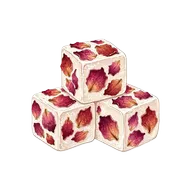
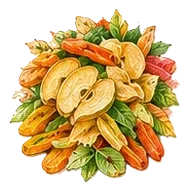
Usage Areas of Our Dried Products
General Information:
Your comments and feedback after using cinnamon are very valuable to us for improving ourselves. Please consult the relevant professionals before consuming the product. Information on our website, such as nutritional values, benefits, possible risks, intended uses or side effects, was compiled from scientific sources while the site was being developed. Positive or negative comments, benefits and risks mentioned in the examples about the product may vary from person to person. Technical information such as photos, approximate waste rates, how to use it, how to consume it, intended uses, how it is made and how it is produced is provided to introduce the varieties and general characteristics of cinnamon. The cinnamon you purchase may differ because of factors such as the raw material variety, the drying technique, the raw material producer or the supply region. Wholesale quantities, prices, package weights, points of sale and areas of use may vary.