Jasmine flower
What is Jasmine flower?
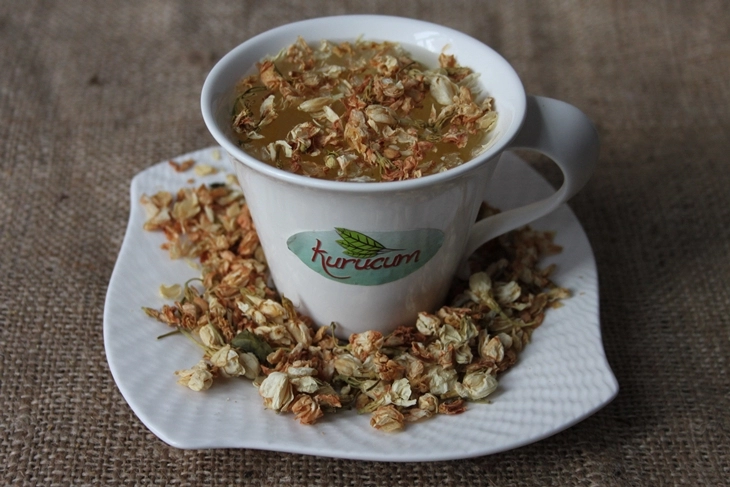
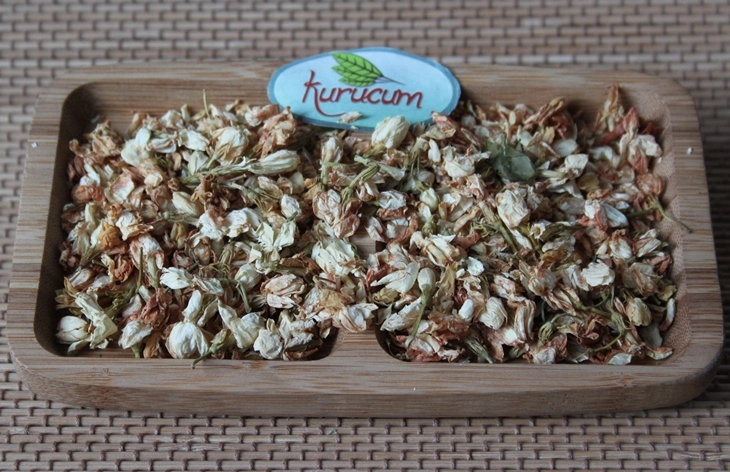
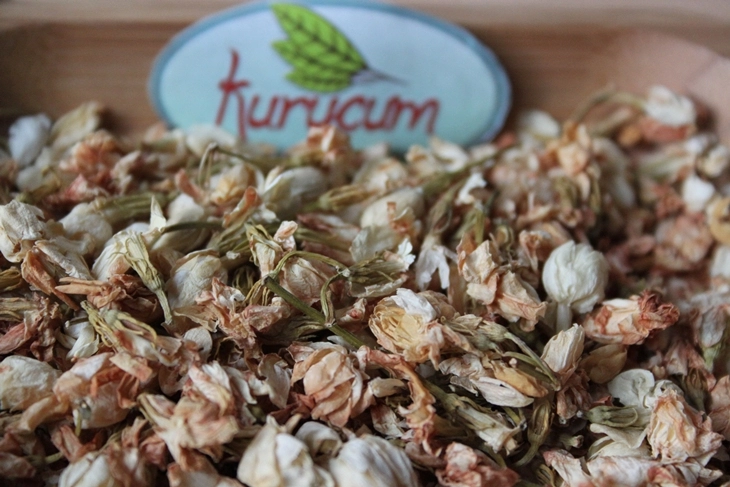
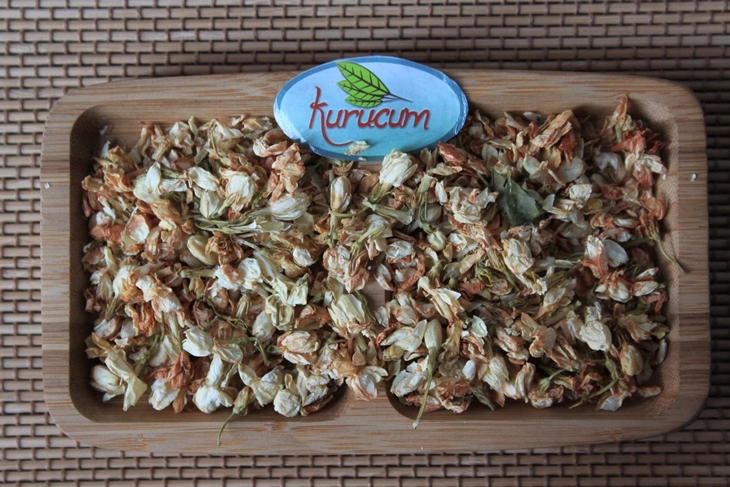
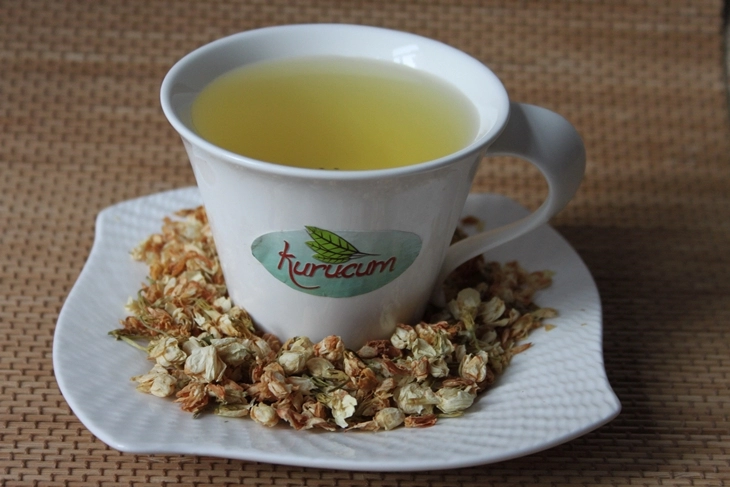
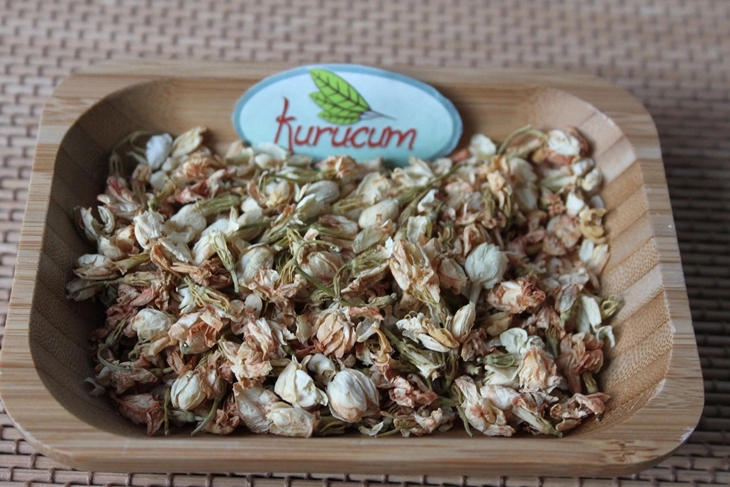
Jasmine flower is a product obtained by drying fresh jasmine flower. During the drying process, the water content of the fresh product is removed, leaving only the essence of the jasmine flower. Consequently, the nutritional values of the jasmine flower, such as aroma, protein, carbohydrates, minerals, and fiber content, are significantly concentrated.
As the manufacturer, we offer jasmine flower in various sizes;
Whole jasmine flower
Where is Jasmine flower used?
What is its role in industrial production?
Where can it be used in food production:
- Fruit Teas and Hot Beverages: Jasmine flower is commonly found in tea blends. Jasmine tea offers consumers a unique beverage experience with its aromatic and light flavors.
- Flavoring and Aroma Agent: Jasmine can be used as a natural flavoring agent in desserts, chocolates, cakes, and biscuits. Its aromatic properties are an ideal additive to balance flavors.
- Jam and Syrup Production: Jasmine flower can also be used in the production of syrups and jams. The flower's unique scent and flavoring properties make these products unique.
- Biscuit and Cake Mixes: Jasmine can be used to add aroma to baked goods such as cakes and biscuits. Jasmine cakes or cookies offer different and premium options in the food industry.
Beverage Manufacturers:
- Aromatic Teas: Jasmine flower can be added to hot and cold tea blends. Jasmine green teas and herbal teas, in particular, offer an aromatic and light flavor.
- Flavored Water and Sodas: Jasmine can be used as a flavoring agent in carbonated drinks. It provides a fresh and natural taste.
- Smoothies and Sherbets: Jasmine flower can be used in refreshing summer drinks, smoothie blends, and sherbets.
Functional Foods:
- Relaxation and Stress Relief Products: Since jasmine flower has naturally calming properties, it can be used in stress-relieving and relaxing beverages and supplements.
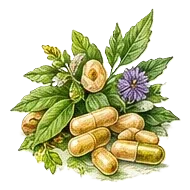
- Herbal Supplements and Functional Foods: Jasmine is used as a traditional herbal supplement. It can be found in supplements that improve sleep patterns or soothe the digestive system.
- Skin and Beauty Products: Jasmine is also used in skincare products. Jasmine extracts can be used in aromatherapy products, lotions, soaps, and perfumes to provide relaxing and beauty-enhancing effects.
Perfume and Cosmetics:
- Aroma and Perfume Production: Jasmine is an important ingredient in perfume production. The flower's unique scent is widely used in natural perfume and deodorant blends.
- Skincare Products: Jasmine extracts are used in skincare products to help cleanse the skin of harmful substances, while also leaving a pleasant scent on the skin.
Animal Feed Additive:
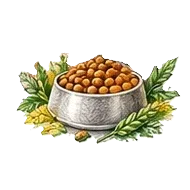
- Animal Feed: Jasmine can be added to some animal feed blends as a flavoring and nutritional supplement. It may also be found in certain therapeutic animal products intended to balance the animals' mood.
Home Use and Applications:
Teas and Beverages:
- Jasmine Tea: Jasmine flower can be added to homemade herbal tea blends. Hot jasmine tea offers a relaxing beverage alternative with its calming properties.
- Flavored Water and Beverages: Jasmine flower can be used to prepare your own flavored water at home. It is preferred as a refreshing and cooling drink.
- Smoothie Blends: Jasmine flower can be used in homemade smoothies and fruit drinks. It adds an aromatic flavor, making the drink distinct and unique.
Desserts and Baking:
- Cakes and Muffins: Jasmine can be used to add an aromatic flavor to homemade cakes and muffins. It adds a pleasant aroma to jasmine cakes, biscuits, and other baked goods.
- Chocolate and Confectionery: Jasmine can also be used in chocolate making. Jasmine-flavored chocolates, in particular, offer a distinct and sophisticated taste.
Aromatherapy for Home Use:
- Steam and Massage Oils: Jasmine flower provides a relaxing aroma in aromatherapy oils and steam diffusers. It is also used in skincare and massage products.
- Relaxing Teas: Jasmine flower can be used to prepare relaxing teas and beverages to provide a stress-reducing and calming effect. It may help alleviate sleep problems.
Skincare:
- Natural Face Masks: Jasmine can be used in skincare. When added to face masks, it moisturizes and nourishes the skin. It also provides soothing effects for skin irritation.
- Jasmine Oil: Jasmine flower oil helps maintain the skin's moisture balance and provides a rejuvenating effect. It can be added to skincare oils or lotions.
Nutritional Values of Fresh and Dried Jasmine Flower
| Nutrient | Fresh Jasmine Flower (100 g) | Dried Jasmine Flower (100 g) | Change Rate % |
|---|---|---|---|
| Calories | 56 kcal | 280 kcal | +400% |
| Carbohydrates | 12 g | 60 g | +400% |
| Fiber | 1.8 g | 9 g | +400% |
| Sugar | 0.9 g | 6.8 g | +656% |
| Protein | 1.5 g | 8 g | +433% |
| Fat | 0.2 g | 0.8 g | +300% |
| Calcium | 50 mg | 250 mg | +400% |
| Iron | 0.6 mg | 3 mg | +400% |
| Potassium | 180 mg | 720 mg | +300% |
| Sodium | 3 mg | 12 mg | +300% |
| Vitamin C | 3 mg | 0.2 mg | -93% |
| Glycemic Index | 15 (low) | 35 (low) |
References
- Li, X., & Chen, Y. (2021). "Nutritional profile and health benefits of jasmine flower extracts: A comparative analysis." Journal of Nutrition and Medicinal Plants, 12(1): 95-103. DOI: 10.1016/j.jnmp.2021.100103.
- Zhou, Y., & Wong, S. (2020). "Chemical composition and nutritional properties of dried and fresh jasmine flowers." Journal of Agricultural Science, 82(5): 456-462. DOI: 10.1016/j.jas.2020.203456.
- Kim, H., et al. (2022). "Effects of drying on the bioactive compounds of jasmine: An in-depth study." Food Science and Biotechnology, 31(3): 667-675. DOI: 10.1007/s10068-022-01067-4.
- Nguyen, T., & Li, F. (2023). "Jasmine tea and flower components: Impact of drying on nutrient density." Journal of Herbal and Medicinal Plants, 15(2): 147-155. DOI: 10.1016/j.jhmp.2023.103145.
Why Choose Jasmine Flower?
Jasmine flower is a product known for its unique scent, obtained by harvesting and drying jasmine flowers. As a manufacturer and supplier of dried food at its production facility in Isparta, Kurucum Food prepares jasmine flower products on order for domestic and international businesses.
The product is used in herbal and green tea flavoring, tea blends, gift tea products, and aromatic applications. Please contact us for product information and samples.
Frequently Asked Questions About Jasmine Flower
What is jasmine flower?
Jasmine flower is a product obtained by harvesting and drying jasmine blossoms, known for its unique fragrance.
In which sectors and areas is jasmine flower used?
Jasmine flower is used in herbal and green tea flavoring, tea blends, gift tea products, and aromatic applications.
How to source jasmine flower wholesale?
The product is produced to order at Kurucum Food facilities; packaging size and quantity are determined according to business requirements. Please contact us via our contact page for bulk purchases, samples, and product information.
Jasmine Flower Supply and Packaging
Jasmine flower is produced to order at Kurucum Food facilities. The product can be prepared in different cuts and sizes according to your business needs; packaging size is determined upon request. Please contact us for samples and product information.
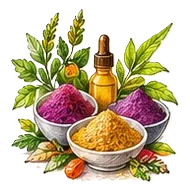
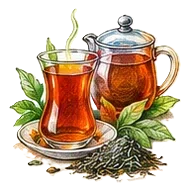
Usage Areas of Our Dried Products
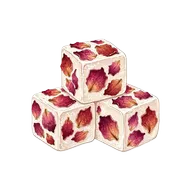
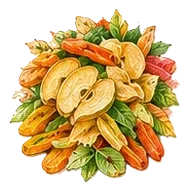
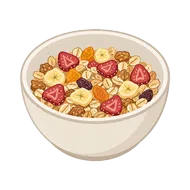
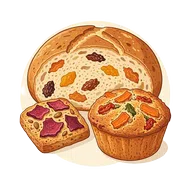
General Information:
Your comments and feedback after using jasmine flower are very valuable to us for improving ourselves. Please consult the relevant professionals before consuming the product. Information on our website, such as nutritional values, benefits, possible risks, intended uses or side effects, was compiled from scientific sources while the site was being developed. Positive or negative comments, benefits and risks mentioned in the examples about the product may vary from person to person. Technical information such as photos, approximate waste rates, how to use it, how to consume it, intended uses, how it is made and how it is produced is provided to introduce the varieties and general characteristics of jasmine flower. The jasmine flower you purchase may differ because of factors such as the raw material variety, the drying technique, the raw material producer or the supply region. Wholesale quantities, prices, package weights, points of sale and areas of use may vary.