Lemon Powder
What Is Dried Lemon?
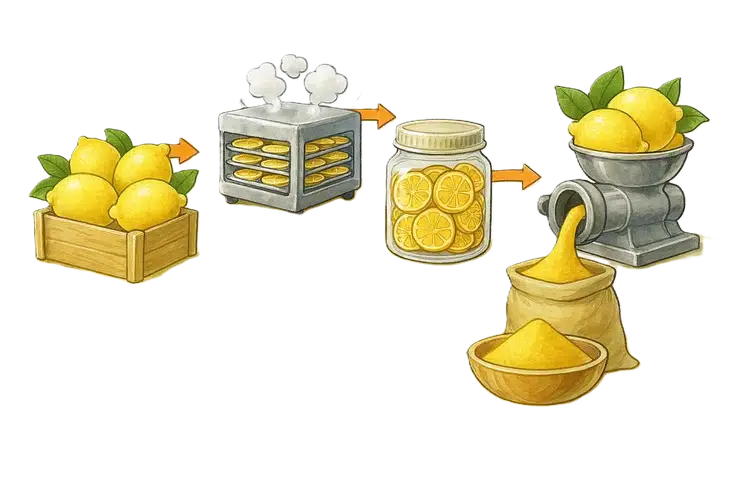
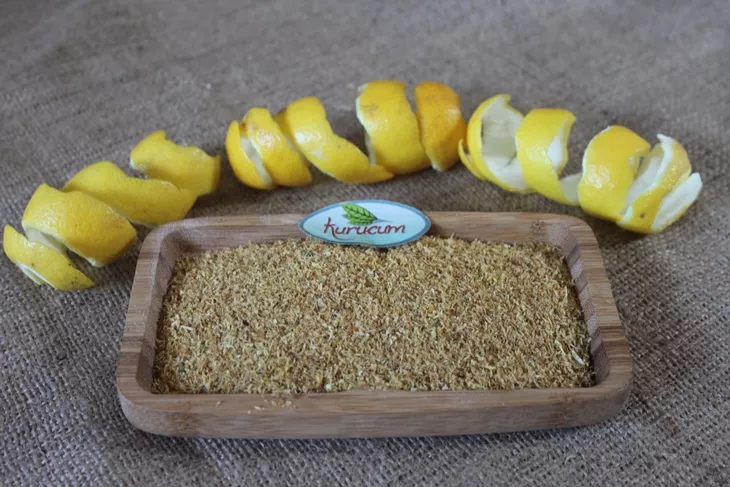
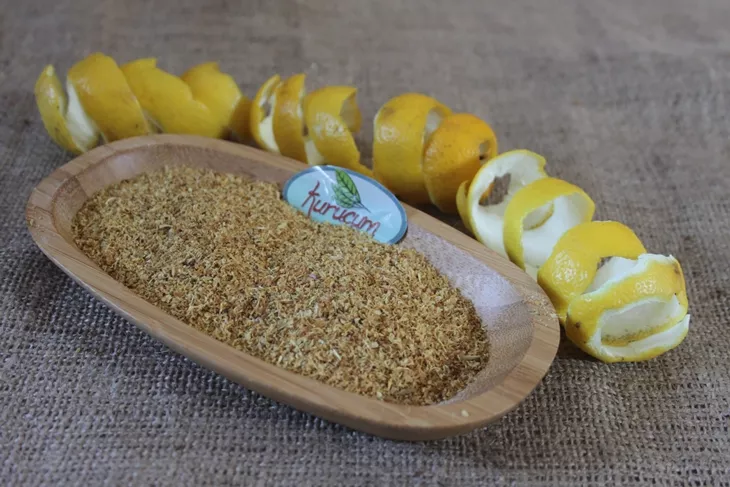
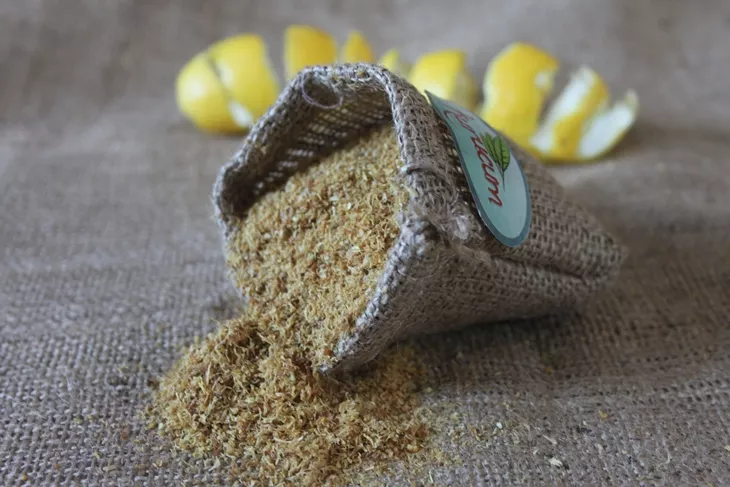
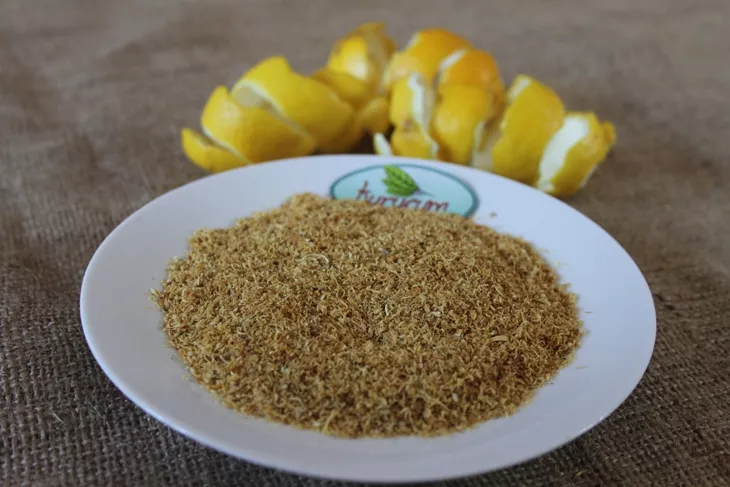
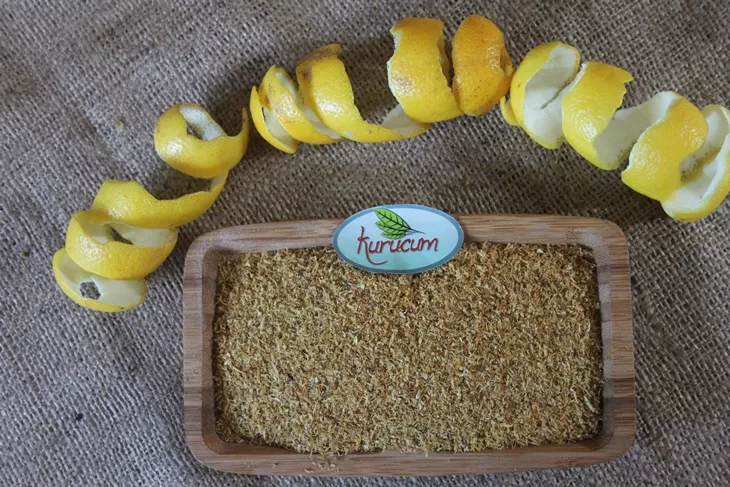
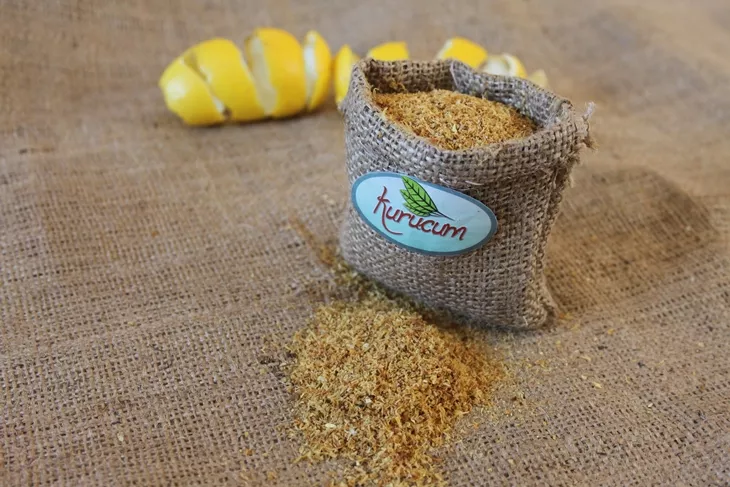
Dried lemon powder is the fibrous part of the lemon, which contains a high level of aroma, taste, and scent, obtained by drying the lemon pulp from juice factories in special ovens and subsequently separating the fibers from the peel.
Dried lemon powder
Dried lemon granules
How to Store Dried Lemon Powder?
Dried lemon powder has a shelf life of at least 1 year when stored under suitable conditions. There are 3 main factors that reduce this period:
- Humidity
- Sunlight
- High temperature
To prevent a shortened shelf life, it should be kept in its own packaging in a cool, dry environment away from sunlight.
Where Is Lemon Powder Used?
What Is Its Function in Industrial Production?
1. Ready-to-Eat Food Manufacturers
Bakery Products and Desserts:
Lemon peel powder is used as a flavoring agent in products such as cakes, cookies, tarts, and confectionery.- Function: The natural and refreshing scent of lemon peel adds a characteristic flavor to desserts.
- Usage Benefit: Provides an easy and standard usage instead of fresh lemon peel.
Ice Cream and Sorbets:
It is a flavor enhancer in ice cream, sorbets, and other cold desserts.- Function: Its slightly sour and refreshing taste adds a natural aroma to products.
- Usage Benefit: Offers a more natural and balanced taste compared to processed aromas.
2. Beverage Manufacturers
Cocktail Mixes and Flavored Waters:
Lemon peel powder is used to add aroma and flavor to cocktails and flavored waters.- Benefits: Offers an aroma and slightly acidic taste similar to fresh lemon peel.
- Usage Advantage: Easy to use due to its long shelf life and prevents waste.
Herbal Teas and Hot Drinks:
Provides a refreshing and acidic flavor in tea blends.- Benefits: Lemon peel provides both aroma and vitamin content in teas.
- Usage Advantage: Offers a natural ingredient that is compatible with various herbal teas.
3. Functional Supplements
- Vitamin and Antioxidant Products:
Used in plant-based snacks and energy bars.- Benefits: It is a natural source of antioxidants and vitamin C.
- Usage Advantage: Allows for the production of functional products without artificial additives.
4. Spices and Blends
- Spice Blends and Marinades:
Lemon peel powder is preferred for marinating seafood and white meat.- Benefits: Has a slightly acidic structure that enhances the flavor of meat and balances its odor.
- Usage Advantage: Provides the same effect without using fresh lemon peel.
Home Uses and Applications
5. Homemade Recipes
- Baked Goods:
Used to add aroma and flavor to cake, cookie, and tart doughs.- Benefits: The refreshing taste of lemon peel adds a different dimension to desserts.
- Usage Advantage: Provides practical use without needing fresh peel.
6. Tea and Drinks
- Herbal Teas and Hot Drinks:
Used as a flavoring agent by adding it to hot drinks.- Benefits: Adds a natural freshness and zest to tea.
- Usage Advantage: Can be easily stored and used at any time.
7. Recipes and Sauces
- Salads and Seafood:
An ideal ingredient for adding lemon flavor to salads and seafood.- Benefits: Its slightly sour and aromatic profile enhances the flavor of dishes.
- Usage Benefit: Provides the same effect without the need to squeeze fresh lemons.
8. Breakfast and Snacks
- Yogurt and Granola:
Lemon peel powder can be used in yogurt and granola for a light aroma.- Benefits: Adds extra flavor while offering natural freshness.
- Usage Benefit: A low-calorie and functional sweetener alternative.
Why Choose Lemon Powder?
Lemon powder is a product obtained by grinding dried lemons, distinguished by its sour taste and lemon aroma. As a manufacturer and supplier of dried food at its production facility in Isparta, Kurucum Food prepares lemon powder on demand for domestic and international businesses.
The product is used in areas such as spice and sauce mixes, beverage powders, dessert, cake and confectionery production, and snack flavorings. You can contact us for product information and samples.
Frequently Asked Questions About Lemon Powder
What is lemon powder?
Lemon powder is a product obtained by grinding dried lemons, distinguished by its sour taste and lemon aroma.
In which sectors and areas is lemon powder used?
Lemon powder is used in areas such as spice and sauce mixes, beverage powders, dessert, cake and confectionery production, and snack flavorings.
How is lemon powder supplied wholesale?
The product is produced on demand at Kurucum Food facilities; packaging size and quantity are determined according to the business's needs. You can reach us via our contact page for bulk purchases, samples, and product information.
Lemon Powder Supply and Packaging
Lemon powder is prepared by grinding to the desired fineness upon order. We offer special packaging options for food manufacturers, spice and soup companies, and businesses making bulk purchases. You can contact us for samples and technical information.
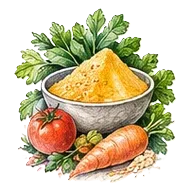
Usage Areas of Our Dried Products









General Information:
Your comments and feedback after using lemon powder are very valuable to us for improving ourselves. Please consult the relevant professionals before consuming the product. Information on our website, such as nutritional values, benefits, possible risks, intended uses or side effects, was compiled from scientific sources while the site was being developed. Positive or negative comments, benefits and risks mentioned in the examples about the product may vary from person to person. Technical information such as photos, approximate waste rates, how to use it, how to consume it, intended uses, how it is made and how it is produced is provided to introduce the varieties and general characteristics of lemon powder. The lemon powder you purchase may differ because of factors such as the raw material variety, the drying technique, the raw material producer or the supply region. Wholesale quantities, prices, package weights, points of sale and areas of use may vary.