Dried mallow flower
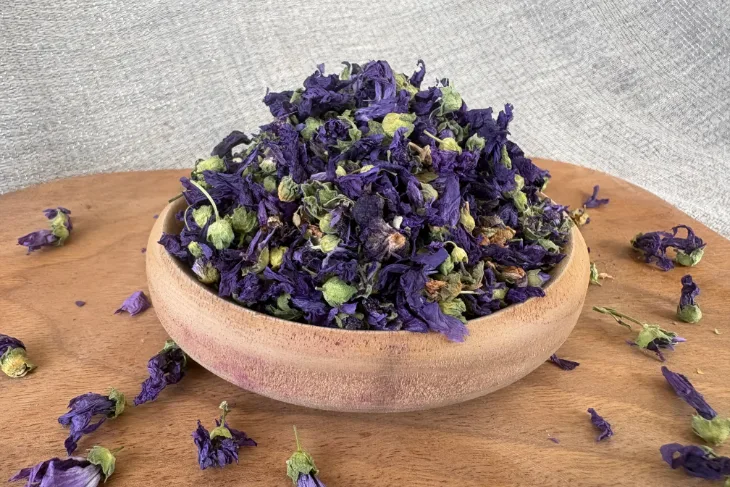
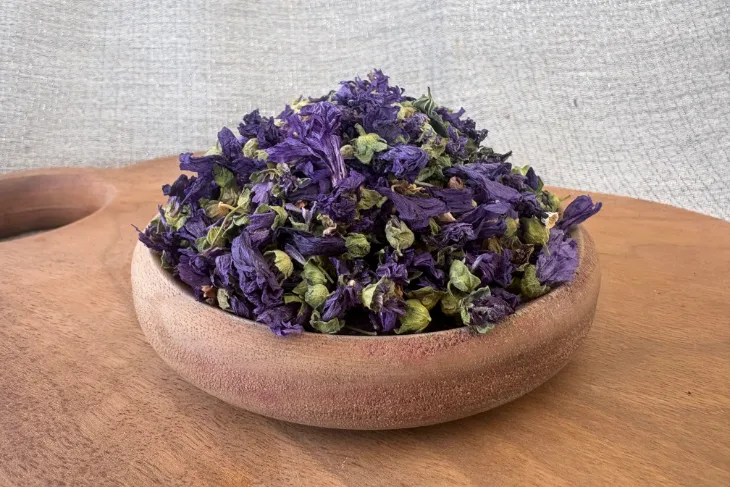
Advantages of using dried mallow flower
Drying removes most of the water, so dried mallow flower takes up far less volume and weight than fresh flower. The space needed for transport and storage drops accordingly.
As the water leaves, water activity falls and the risk of microbial growth is limited. Dried flower can therefore be stored far longer than fresh flower.
No cold chain is required. A cool, dry warehouse out of direct sunlight is usually enough.
Anthocyanin pigments are sensitive to environmental conditions; studies on plant extracts report that degradation mostly occurs during storage. Packaging that protects against light and moisture is therefore a sensible choice.
Dried mallow flower can be processed whole, fragmented or as powder. In studies the petals were ground to equalise particle size; you can choose the size to suit your application.
Infusion time and temperature directly affect colour and aroma. In tea and beverage formulations you can steer the result by adjusting these two parameters.
When the product is defined in the specification by its Latin name (Malva sylvestris), there is no risk of confusion with similar species.
Nutrition comparison: fresh mallow flower vs. dried mallow flower (per 100 g)
A detailed table showing the nutrient content of the dried and fresh product and the rate of change between them:
| Nutrient | Fresh mallow flower (100 g) | Dried mallow flower (100 g) | % Change |
|---|---|---|---|
| Water | 72.49 ± 1.89 g | - | - |
| Calories | - | 372.02 kcal | - |
| Protein | - | 8.50 g | - |
| Carbohydrate | - | 78.12 g | - |
| Sugar | - | 20.02 g | - |
| Fat | - | 2.84 g | - |
References
- Barros L, Carvalho AM, Ferreira ICFR. Leaves, flowers, immature fruits and leafy flowered stems of Malva sylvestris: a comparative study of the nutraceutical potential and composition. Food and Chemical Toxicology, 2010, 48(6): 1466–1472. DOI: 10.1016/j.fct.2010.03.012
- ESCOP Monographs: Malvae Flos (Mallow Flower), Malva sylvestris L. ESCOP, 2016.
- Żbik K, Onopiuk A, Szpicer A, Kurek M. Comparison of the effects of extraction method and solvents on biological activities of phytochemicals from selected violet and blue pigmented flowers. Journal of Food Measurement and Characterization, 2023, 17(6): 6600–6608. DOI: 10.1007/s11694-023-02158-2
- Amanpour A, Tekin A, Hayaloglu AA. Comprehensive elucidation of volatile, phenolic, and organic acid profiles in Turkish mallow (Malva sylvestris L.) petal herbal tea: impact of diverse brewing conditions. Journal of the Science of Food and Agriculture, 2026, 106(14): 8724–8741. DOI: 10.1002/jsfa.70881
- FDA Global Substance Registration System (GSRS), “MALVA SYLVESTRIS FLOWER” (UNII: 12X9JI52BS).
What is dried mallow flower?
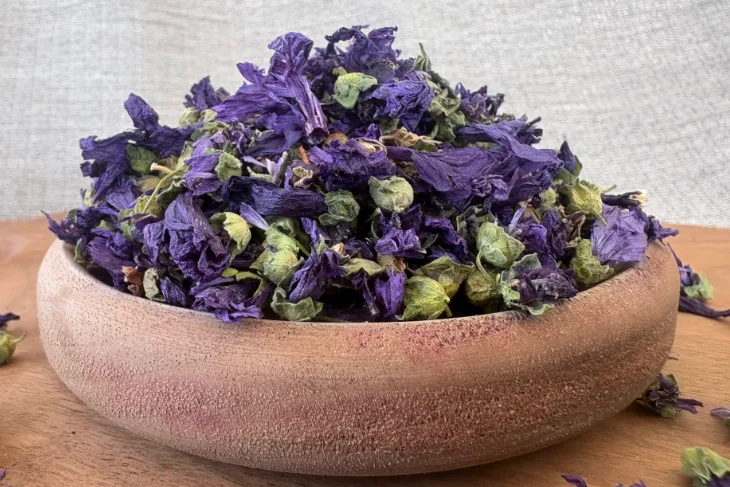
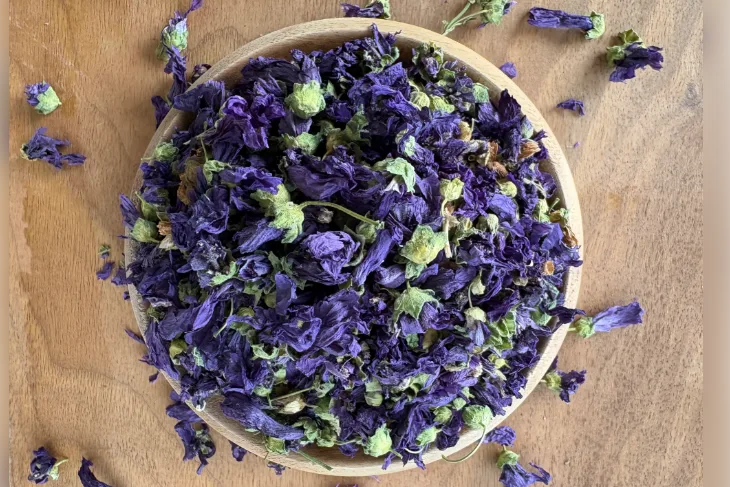
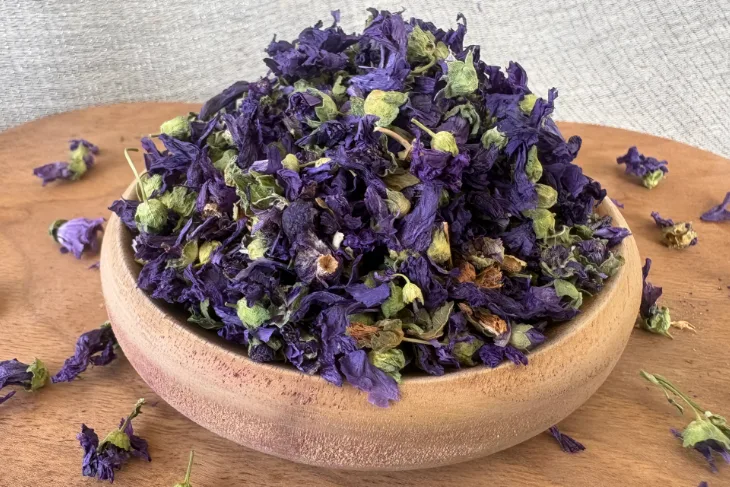
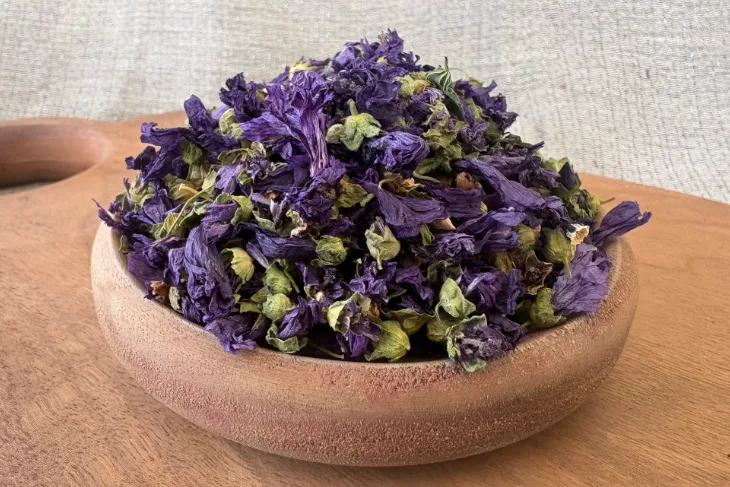
Dried mallow flower is obtained by drying the flowers of Malva sylvestris, a plant of the Malvaceae family. The ESCOP monograph defines the product as the whole or fragmented dried flowers of Malva sylvestris or its cultivated varieties. In international records it also appears under the names Malvae flos, common mallow flower and blue mallow flower.
In food, its best-known use is in herbal tea blends. Producers who want to add colour, aroma and visual appeal also add the dried flower and its petals to their recipes. According to ESCOP, the main characteristic constituents of the product are mucilage polysaccharides and anthocyanins.
At Kurucum Food, mallow flower is prepared by drying fresh flowers. Depending on the intended use, the dried flower can be processed as whole, fragmented or powder. The literature notes that petals are generally dried in the sun or in the shade, with the aim of preserving the chemical and aromatic profile of the plant.
Verifiable facts about dried mallow flower (for producers):
- Who sets the definition: In the ESCOP monograph the product is listed as whole or fragmented dried flower. The definition covers these two forms and does not specifically mention powder.
- What it contains: According to ESCOP, the prominent constituents of the flower are mucilage polysaccharides and anthocyanins. The food science literature adds tannins and pigments such as malvin, malvidin, oenin and delphinidin.
- Confusion with similar species: The genus Malva comprises about 40 species, and Malva sylvestris is only one of them. Relatives such as Malva neglecta and Malva pusilla have separate entries in FDA substance records, so stating the Latin name in the specification removes any ambiguity.
- pH determines the colour: In very acidic conditions anthocyanins appear red; as pH rises the colour may lighten or even fade. This is why the same flower gives different shades in different products.
- Brewing style changes the result: In one consumer panel a short hot infusion received the highest score, while a long hot infusion ranked lowest in aroma and flavour. Cold infusion gave a darker, reddish colour.
- Dry matter: In one measurement on petals dried in the shade, dry matter was found to be 940 g/kg.
How to store dried mallow flower?
Dried dried mallow flower has a shelf life of at least 1 year when stored under suitable conditions. Three main factors shorten it:
- Moisture
- Sunlight
- High temperature
To keep the shelf life from shortening, store it in a cool, dry place away from sunlight, in its own packaging.
Where is dried mallow flower used?
What It Is Used For in Industrial Production
1. Tea Group Products
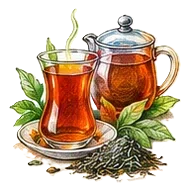
- Herbal Tea Blends:
Dried mallow flower is used in herbal tea blends as a flower and petal component.- What does dried mallow flower do? It brings colour, appearance and a light floral aroma to the blend.
- What are the benefits of dried mallow flower? The violet-purple petals make a clearly visible colour contribution to the blend; the aroma varies with drying and brewing conditions.
- Cold Brew Products:
It can also be used in cold-brewed teas and beverage bases.- What does dried mallow flower do? In cold brewing it gives a dark, reddish colour.
- What are the benefits of dried mallow flower? In one study the aroma score of cold brewing was similar to that of a short hot infusion.
2. Natural Color and Aroma
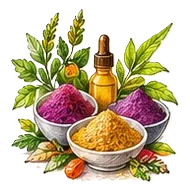
- Anthocyanin-Based Colour:
The anthocyanin pigments in the petals make dried mallow flower a colouring component.- What does dried mallow flower do? It gives the product a natural shade between red and purple.
- What are the benefits of dried mallow flower? The shade depends on pH; it moves towards red in an acidic medium, which makes it easier to adjust the colour in a formulation.
- Natural Aroma:
The petals carry many volatile compounds, and these form the aroma of the product.- What does dried mallow flower do? It adds a natural, floral aroma.
- What are the benefits of dried mallow flower? Aroma intensity changes with drying and processing conditions, so it can be steered through process settings.
- Pigment Extraction:
Dried petals can be used as the starting material for preparing a colour extract.- What does dried mallow flower do? It supplies the anthocyanins that give the extract its colour.
- What are the benefits of dried mallow flower? In one study an acidified solvent with ultrasound assistance was the condition that increased anthocyanin yield the most.
What It Is Used For at Home
1. Tea Group Products
- Mallow Flower Tea at Home:
Dried mallow flower can be brewed hot or cold at home as an herbal tea.- What does dried mallow flower do? When brewed, it gives the tea colour and aroma.
- What are the benefits of dried mallow flower? In one study a short hot infusion was the most liked method sensorially; a short infusion is enough.
2. Natural Color and Aroma
- Natural Colouring at Home:
Dried mallow flower can be used to give natural colour to desserts, creams and drinks.- What does dried mallow flower do? It gives the preparation a light colour in red-purple shades.
- What are the benefits of dried mallow flower? The recipe's acidity determines the colour; acidic ingredients such as lemon push the shade towards red.
Usage areas of our dried products
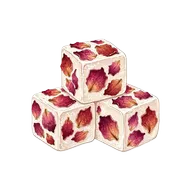
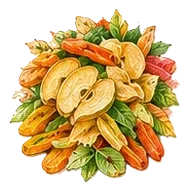
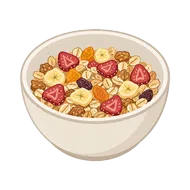
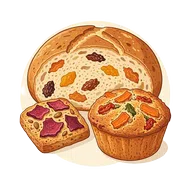
General Information:
Your comments and feedback after using dried mallow flower are very valuable to us for improving ourselves. Please consult the relevant professionals before consuming the product. Information on our website, such as nutritional values, benefits, possible risks, intended uses or side effects, was compiled from scientific sources while the site was being developed. Positive or negative comments, benefits and risks mentioned in the examples about the product may vary from person to person. Technical information such as photos, approximate waste rates, how to use it, how to consume it, intended uses, how it is made and how it is produced is provided to introduce the varieties and general characteristics of dried mallow flower. The dried mallow flower you purchase may differ because of factors such as the raw material variety, the drying technique, the raw material producer or the supply region. Wholesale quantities, prices, package weights, points of sale and areas of use may vary.