Dried Olive
What Is Dried Olive?
Dried olive is a dried product obtained by processing fresh olives using special systems. Before drying, fresh olives contain approximately 80% water. Through the drying process, the water content in the fresh product is reduced to very low levels. As a result of drying, approximately 1 kg of dried olive is obtained from 5 kg of fresh olives. During the drying process, the water inside the fresh product is removed, leaving the essence of the olive. Therefore, the nutritional values of dried olive, especially protein, carbohydrates, minerals, and fiber, are highly concentrated.
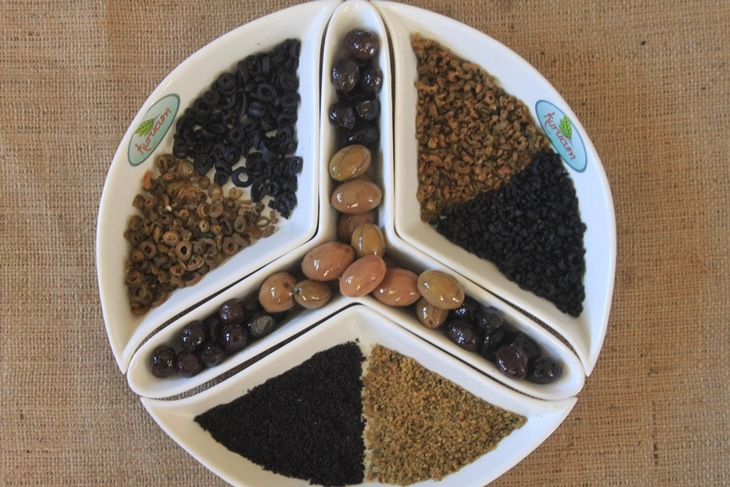
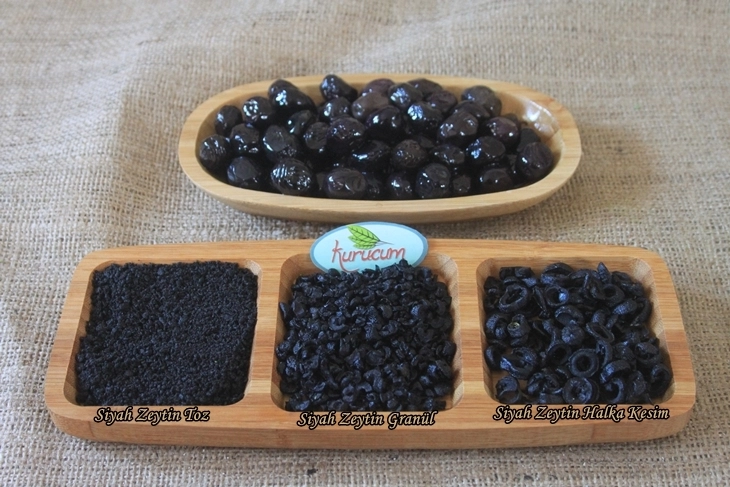
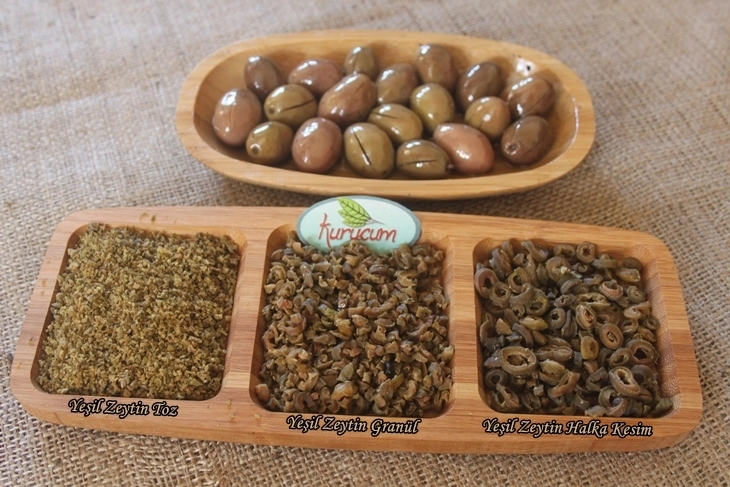
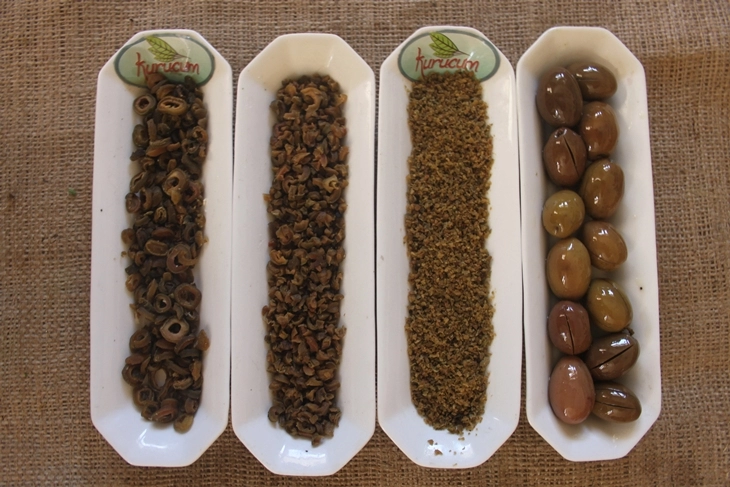
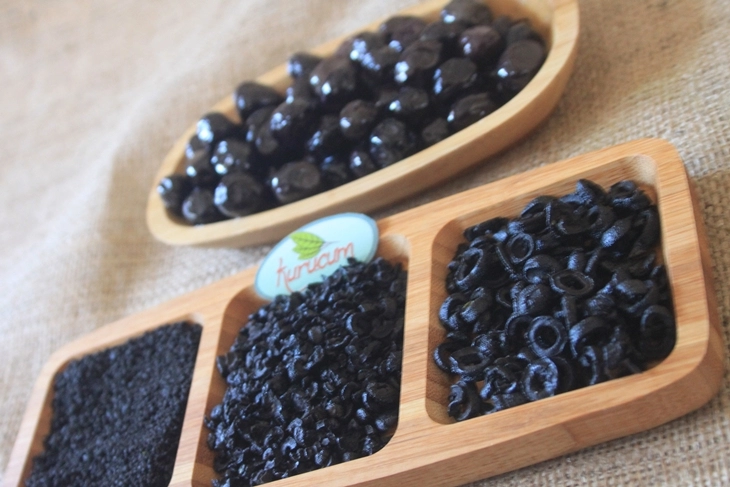
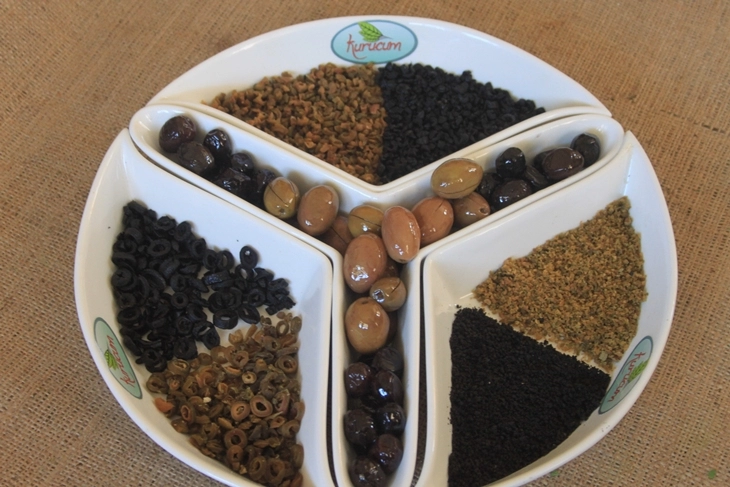
We are the manufacturer of dried olive, and we offer various size options:
Dried black olive powder 0-3 mm
Dried black olive diced
Dried black olive sliced
Dried green olive powder 0-3 mm
Dried green olive diced
Dried green olive sliced
How to Store Dried Olive?
Dried olive has a shelf life of at least 1 year when stored under suitable conditions. There are 3 main factors that reduce this period:
- Humidity
- Sunlight
- High temperature
To prevent a reduction in shelf life, it should be kept in its own packaging in a cool, dry environment away from sunlight.
Where Is Dried Olive Used?
What Is Its Use in Industrial Production?
Where Can It Be Used in Food Production:
- Bakery Products: It adds flavor to products such as bread, crackers, and bagels with dried olive pieces.
- Snacks: Used in olive-flavored chips, pretzel sticks, and nut mixes.
- Ready Meals: A natural flavor enhancer for products like pizza, pastries, and pasta sauces.
- Salad Mixes: Adds flavor richness to pre-packaged salads with dried olives.
- Pasta and Sauces: Frequently preferred in the production of olive-flavored sauces.
Functional Food Uses:
- Snacking: Used as a low-calorie, functional ingredient in diet products.
- Olive-Flavored Products: Provides an olive taste in spice blends and seasonings.
Horeca (Hotel, Restaurant, Cafe):
- Presentation and Garnish: Used as a decorative and tasty ingredient in appetizers, salads, and tapas in restaurants.
- Olive Breakfast Items: Served in breakfast menus combined with dried tomatoes and cheese.
Other Industrial Uses:
- Instant Soups and Mixes: Used in soup contents to achieve an intense flavor.
Home Uses:
Home Cooking:
- Olive Pastries: Dried olives can be added to pastry, bun, and cake recipes.
- Salads and Appetizers: Adds a natural olive aroma when added to salads.
- Pasta and Rice: Can be used in rice and pasta recipes for those who love olive flavor.
Snacks:
- Functional Snack: Can be consumed as a standalone snack.
- Homemade Crackers: Can be used in homemade cracker and chip recipes.
As a Seasoning:
- Spice Blends: Dried olives can be mixed with thyme and rosemary to create special spice blends.
- Toppings: Can be used as a seasoning on fresh bread or bruschetta.
Other Uses:
- Pizza and Sandwiches: It can be used in pizzas or sandwiches to intensify the olive flavor.
Differences Between Naturally or Oven-Dried Olives and Fresh Produce:
Dried olives are produced by processing fresh produce through special systems and undergoing necessary pre-treatments. As a result of the drying process, the water content of the product is reduced, which increases the concentration of the product's essence. Consequently, the nutritional values, minerals, and active ingredients in natural dried olives are significantly higher compared to their fresh, natural state. While there is a significant difference in nutritional values between consuming the same amount of fresh olives versus dried olives, in terms of benefits, it can be said that dried olives are beneficial for the same conditions as natural fresh olives, with few exceptions.
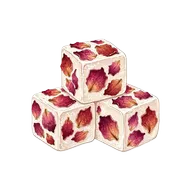
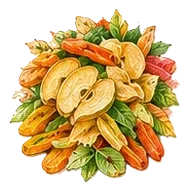
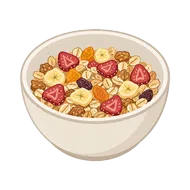
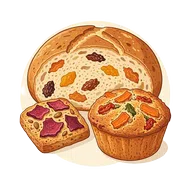
Usage Areas of Our Dried Products
General Information:
Your comments and feedback after using dried olive are very valuable to us for improving ourselves. Please consult the relevant professionals before consuming the product. Information on our website, such as nutritional values, benefits, possible risks, intended uses or side effects, was compiled from scientific sources while the site was being developed. Positive or negative comments, benefits and risks mentioned in the examples about the product may vary from person to person. Technical information such as photos, approximate waste rates, how to use it, how to consume it, intended uses, how it is made and how it is produced is provided to introduce the varieties and general characteristics of dried olive. The dried olive you purchase may differ because of factors such as the raw material variety, the drying technique, the raw material producer or the supply region. Wholesale quantities, prices, package weights, points of sale and areas of use may vary.