Dried Onion
Price Comparison of Fresh Onion vs. Dried Onion per kg
How Much Waste: About 10 kg of fresh product is used to obtain 1 kg of dried onion. (The ratio may vary with the type of fresh product, drying method, moisture level and production parameters.)
Dried product price per kg:
What Is Dried Onion?
We can answer the question of what dried onion is as follows:
It is a product obtained by drying fresh onions, which has concentrated nutritional values and a long shelf life. The water in the fresh onion is evaporated, leaving the essence of the product. The resulting concentrated product, with reduced water activity and bacterial growth potential, is called dried onion.What changes when fresh onion is dried? Let's look at the ratios…
- Before the drying process, fresh onion contains approximately 91% water.
- This water content is an environment suitable for rapid bacterial growth and is a moisture level at which the product cannot last for a long time.
- As a result of drying, the water in the fresh onion is removed, and the essence of the onion remains.
- With the removal of water from the product, approximately 1 kg of dried onion is obtained from 12 kg of fresh onion.
- As a result, the shelf life is extended, and the nutritional values (protein, carbohydrates, mineral, fiber ratio) in the dried product increase due to the removal of the essence water.
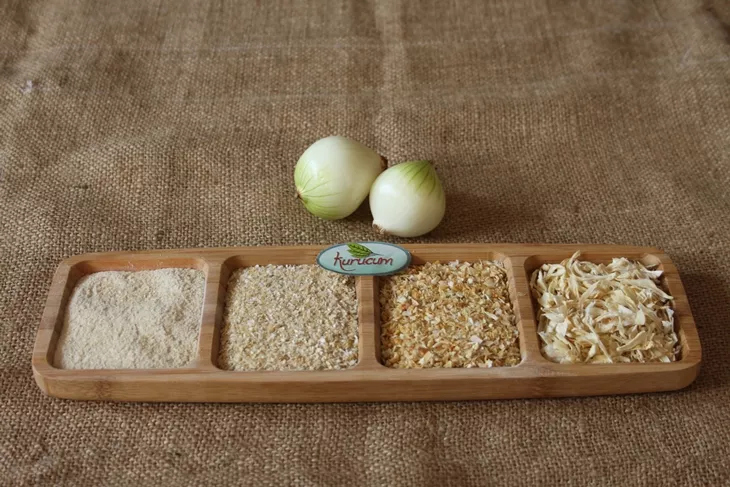
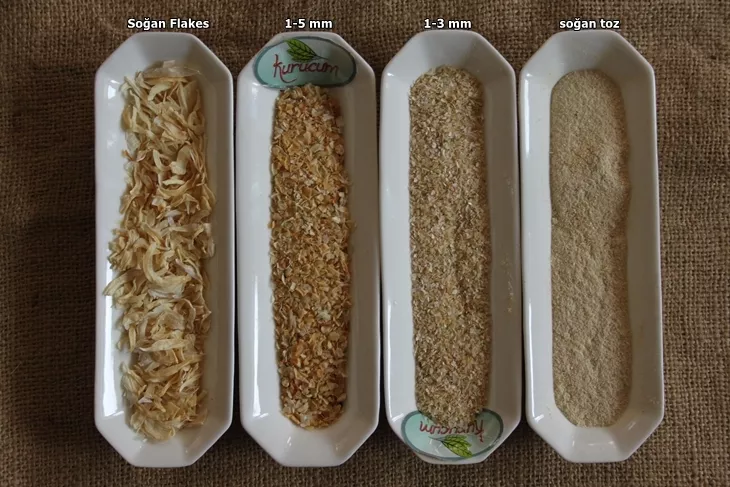
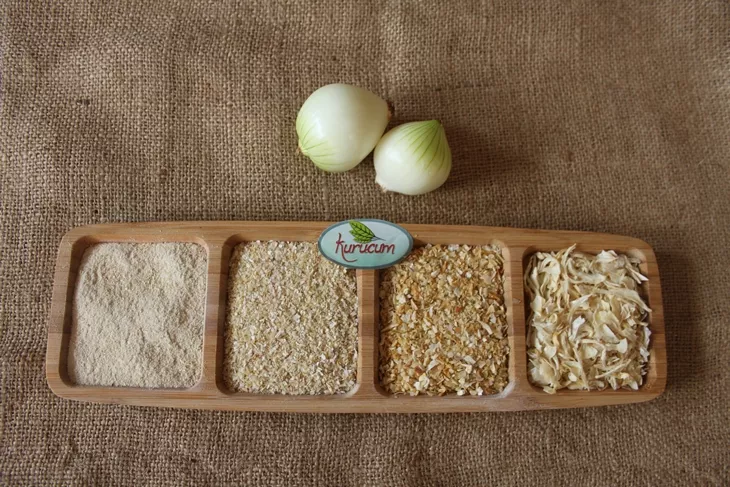
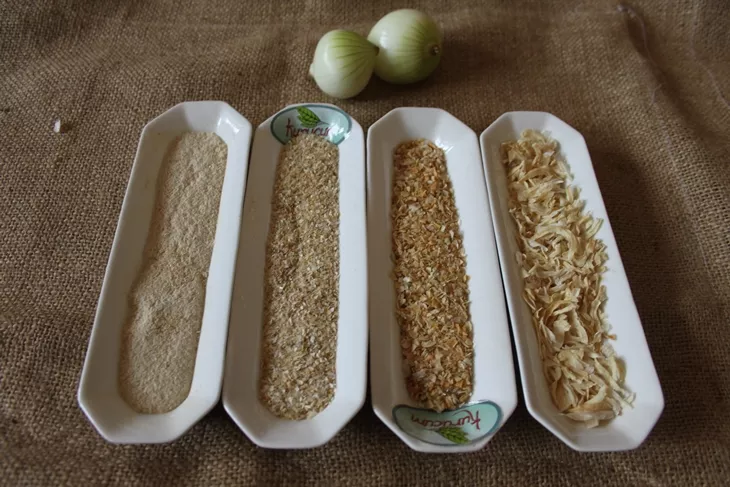
Dried Onion Varieties
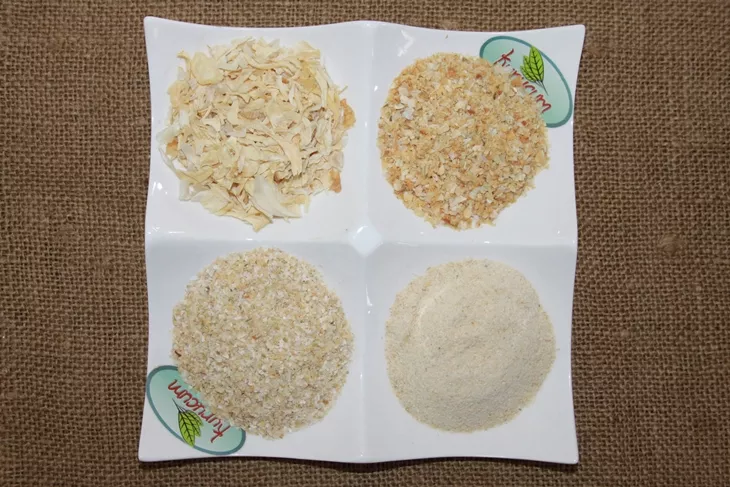
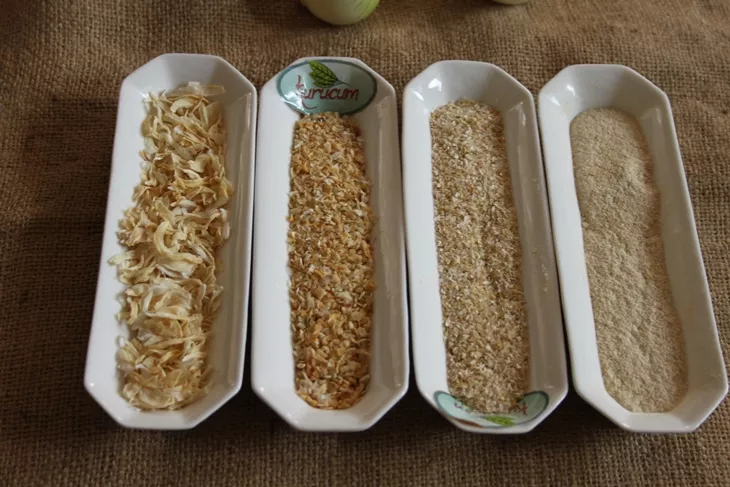
- Dried Onion Powder (0-1 mm): Note: It may contain food-grade silicon dioxide and maltodextrin as anti-caking agents.
- Dried Onion Fine Granules0,5-1 mm
- Dried Onion Medium Granules1-3 mm
- Dried Onion Coarse Granules1-5 mm
- Dried Onion Flakes (Thinly Sliced)
Advantages of Using Dried Onion
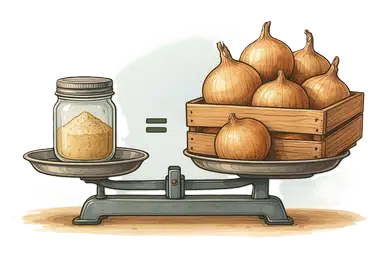
Using a 10 kg crate of onions, approximately 1 kg of dried onion is obtained, which can fit into a small jar.
Due to volume reduction, the space required for storage is significantly decreased. The required volume is reduced to approximately 1/10th compared to fresh produce.
Due to weight and volume reduction, it has become an easy-to-transport product. A 20-ton truckload of fresh onions can fit into 2 pallets when dried.
One of the First Vegetables Used in Space: In NASA Food Research: Dried onion was selected as one of the first vegetables used by NASA for astronaut space missions due to being lightweight, nutritious, and easy to store.
It does not require cold storage conditions. Keeping it in a cool, dry, and dark place is sufficient for dried onion storage conditions.
The growth rate of bacteria is proportional to the water content within dried onion. During the drying process, the water content of fresh onion drops from 90% to 10%, reducing water activity and limiting bacterial growth in dried onion. After the drying process, the shelf life of the product is much longer than its fresh counterpart.
Historically, the development of dried products has often occurred during periods of famine and war. Products like dried onion are strategic products for Turkey due to their long shelf life and ease of transport for sustainable food production.
As Kurucum Food, we continue to develop technologies related to dried onion production in partnership with our sister company, Eksis Industrial Drying Systems, which is a manufacturer of drying technologies. Our projects related to dried onion:
Onion juice powder production
Onion fiber production from onion pulp
Comparison Table of Fresh Onion and Dried Onion
| Nutrient | Fresh Onion (100 g) | Dried Onion (100 g) | Increase / Decrease (%) |
|---|---|---|---|
| Calories | 40 kcal | 347 kcal | 767%+ |
| Carbohydrates | 9.3 g | 80 g | 761%+ |
| Fiber | 1.7 g | 9.2 g | 441%+ |
| Sugar | 4.2 g | 26 g | 519%+ |
| Protein | 1.1 g | 8.2 g | 645%+ |
| Fat | 0.1 g | 0.8 g | 700%+ |
| Calcium | 18 mg | 160 mg | 789%+ |
| Iron | 0.2 mg | 1.2 mg | 500%+ |
| Potassium | 146 mg | 333 mg | 128%+ |
| Sodium | 3 mg | 6 mg | 100%+ |
| Vitamin C | 7.4 mg | 3.5 mg | 53%- |
| Glycemic Index (GI) | 10 (low) | 30 (medium) | 200%+ |
References
- University of Sydney Glycemic Index Research Service – Glycemic Index Database,
- USDA Nutrient Database – A reliable source for nutrient data and calorie information, offering detailed analysis of many foods.
How to Store Dried Onion?
Dried onion has a minimum shelf life of 1 year when stored under proper conditions. There are 3 main factors that reduce this period:
- Humidity
- Sunlight
- High temperature
Store in its original packaging in a cool, dry place away from direct sunlight to maintain shelf life.
Where Is Dried Onion Used?
What Is Its Role in Industrial Production?
Where Can It Be Used in Convenience Food Production:
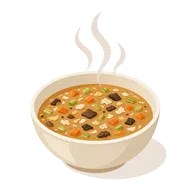
- Instant Soup and Meal Mixes: Used in industrially produced soups, rice, pasta sauces, and meal mixes.
- Meat Products: Preferred as a flavor enhancer in products such as meatballs, sausages, and salami.
- Chips and Snacks: Used as a flavoring agent in onion-flavored chips and crackers.
- Sauce and Spice Blends: Found as a natural ingredient in seasoned sauces and spice blends.
Where Can It Be Used in Frozen and Packaged Food Production:
- Pizza and Sandwich Products: Used in pizza and sandwich fillings containing onion.
- Ready Meals: Acts as a flavor enhancer in frozen foods and microwaveable products.
Where Can It Be Used in Functional Food Production:
- Flavor and Taste Additive: Included in functional products as a natural flavor enhancer.
How Is It Used at Home? Where Is It Used?
In Home Cooking:
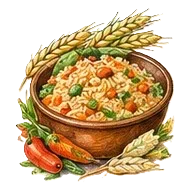
- Soups and Meals: Provides practical use in recipes such as soups, stews, rice, and pasta.
- Spice Blends: Can be added to homemade spice blends to achieve a natural flavor in dishes.
- Grilled and Oven-Baked Dishes: Can be used directly in meat, chicken, and vegetable dishes.
How to Use Practically:
- Addition to Ready Meals: Used as a flavor enhancer in instant recipes.
- Alternative to Onion: Can be used instead of fresh onion, standing out with its storage convenience and long shelf life.
Diet and Functional Recipes:
- Low-Calorie Flavor: Found as a natural source of aroma in low-calorie recipes.
- Gluten-Free Products: Adds flavor to gluten-free recipes.
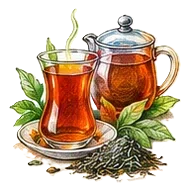
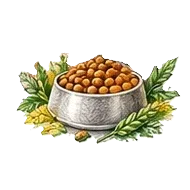
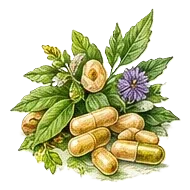
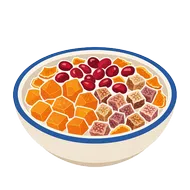
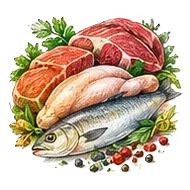
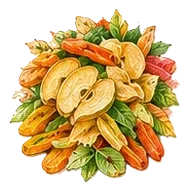
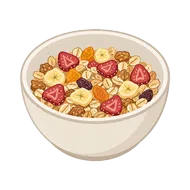
Usage Areas of Our Dried Products
General Information:
Your comments and feedback after using dried onion are very valuable to us for improving ourselves. Please consult the relevant professionals before consuming the product. Information on our website, such as nutritional values, benefits, possible risks, intended uses or side effects, was compiled from scientific sources while the site was being developed. Positive or negative comments, benefits and risks mentioned in the examples about the product may vary from person to person. Technical information such as photos, approximate waste rates, how to use it, how to consume it, intended uses, how it is made and how it is produced is provided to introduce the varieties and general characteristics of dried onion. The dried onion you purchase may differ because of factors such as the raw material variety, the drying technique, the raw material producer or the supply region. Wholesale quantities, prices, package weights, points of sale and areas of use may vary.