hibiscus powder
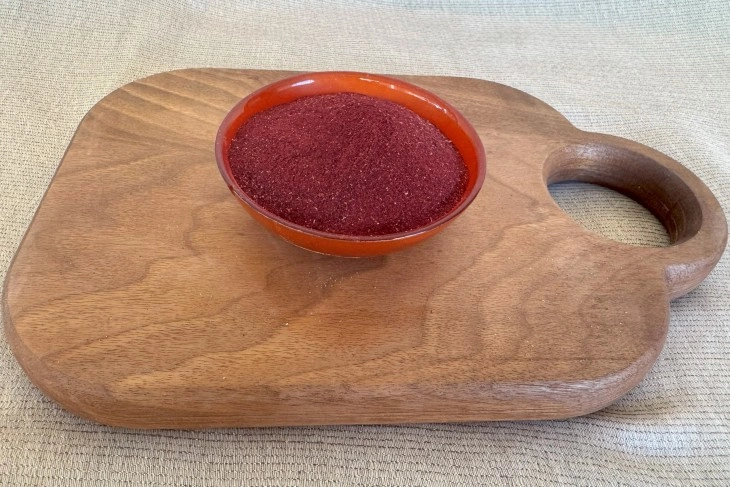
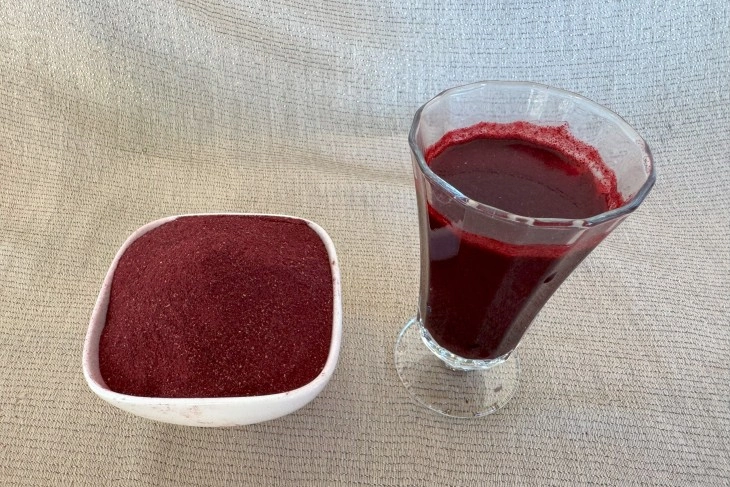
What is Hibiscus Powder?
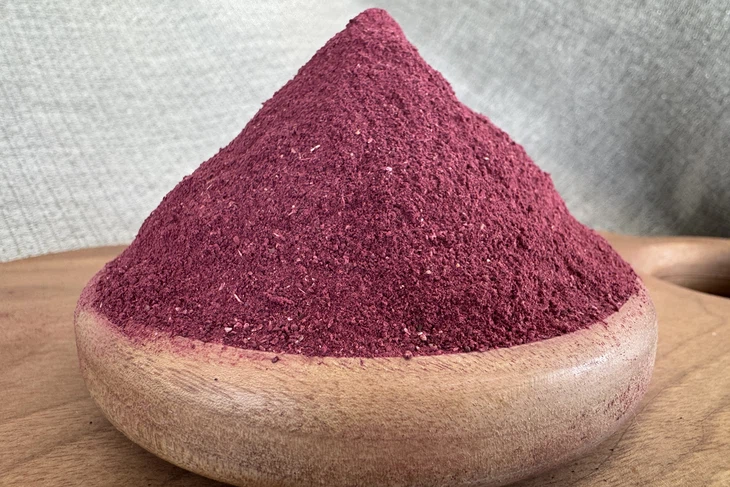
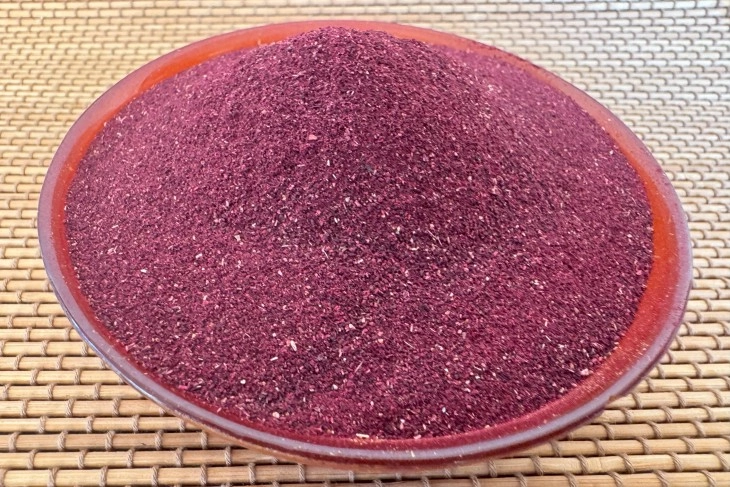
Hibiscus powder is the ground form of the product obtained by drying fresh hibiscus. During drying, the water content of the fresh product is reduced to very low levels. The water in the fresh product is removed, leaving the essence of the hibiscus. Therefore, the nutritional values of hibiscus powder, especially protein, carbohydrates, minerals, and fiber content, are significantly increased.
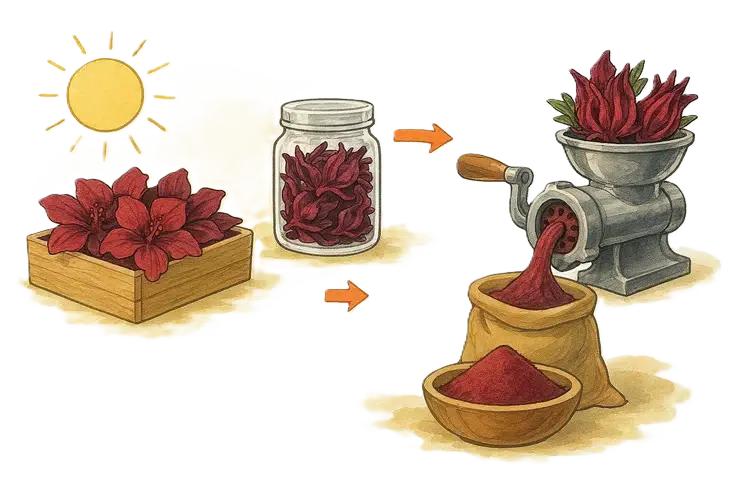
How is the dried hibiscus powder we manufacture made?
Dried hibiscus powder 0-1 mm: Fresh hibiscus is dried after undergoing necessary pre-treatments. The dried hibiscus obtained after drying is ground using special crushing systems to produce hibiscus powder.
How to Store Hibiscus Powder?
Dried hibiscus powder has a shelf life of at least 1 year when stored under suitable conditions. There are 3 main factors that reduce this period:
- Humidity
- Sunlight
- High temperature
To prevent a shortened shelf life, it should be kept in its own packaging in a cool, dry environment away from sunlight.
Where is Hibiscus Powder Used?
What is its function in industrial production?
1. Food and Beverage Manufacturers
Color and Flavor Agent:
Used as a natural coloring and flavoring agent in fruit juices, herbal teas, carbonated drinks, and energy drinks.- Function: Hibiscus stands out in beverages with its bright red color and slightly sour taste, both visually and in terms of flavor.
- Benefits: Offers a natural alternative to synthetic colorants.
Sweets & Confectionery:
Preferred in products like cakes, ice cream, jelly, and candy to add both color and aroma.- Function: Its slightly tart profile and natural pigments enrich products visually and in taste.
- Benefits: Adds flavor and color to products without chemical additives.
2. Herbal Supplements
Functional Foods & Supplements:
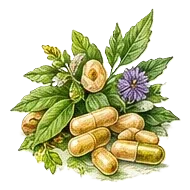
Hibiscus powder is used in functional products that provide vitamins, minerals, and antioxidants.- Function: Its antioxidant content supports the immune system and may help balance blood pressure.
- Benefits: Safely used as a natural ingredient in functional products.
Smoothies & Protein Powders:
Added to sports nutrition products and smoothie mixes.- Function: Stands out with its energy-boosting and metabolism-supporting properties.
- Benefits: Enhances nutritional value while adding flavor.
3. Cosmetics & Skincare
- Natural Cosmetics:
Found in products like masks, creams, and shampoos as a skin-renewing and moisturizing ingredient.- Function: Hibiscus is known for its skin-revitalizing properties and is used as a natural ingredient.
- Benefits: Provides a natural alternative to chemical ingredients.
Home Use & Applications
4. Homemade Drinks & Teas
Herbal Tea Blends:
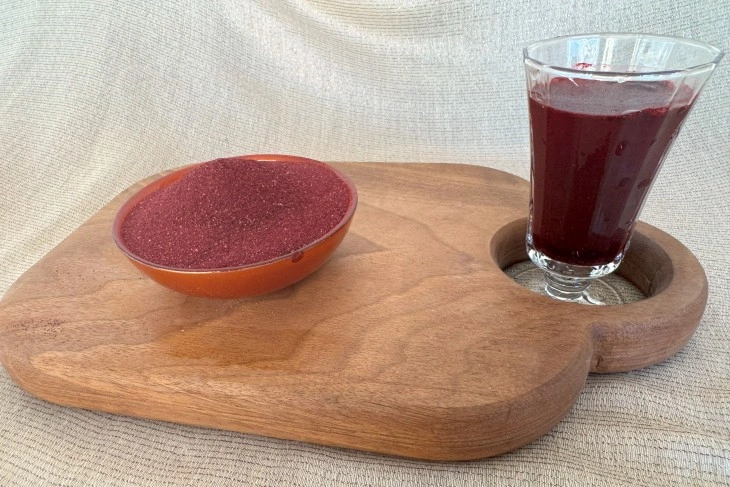
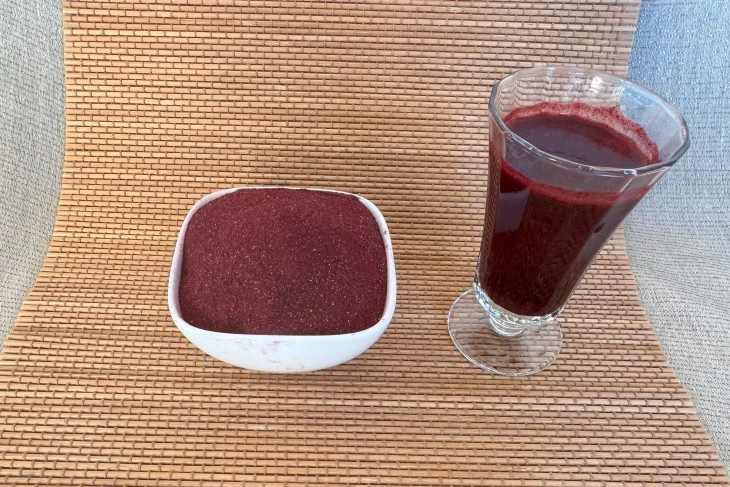
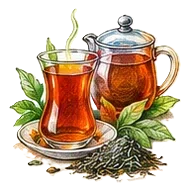
Hibiscus powder is frequently used to make hot or cold tea.- Function: Adds both aroma and visual appeal to teas with its slightly tart and refreshing taste.
- Benefits: Easy to prepare and offers an intense flavor.
Juices & Cocktails:
Hibiscus is used in homemade drinks as a natural flavoring and coloring agent.- Function: Its slightly acidic profile and bright red color make beverages more appealing.
- Benefit: Provides a natural flavor without adding sugar or artificial aromas.
5. Recipes and Desserts
Pastries and Desserts:
Used to add color and a slightly tart flavor to desserts like cakes, tarts, and custards.- Function: Hibiscus powder is a natural flavoring and aromatic agent.
- Benefit: Provides additive-free color in products thanks to its natural pigments.
Sauces and Salads:
Hibiscus powder adds a slightly acidic touch to sauces and salads.- Function: Acts as an alternative flavor source to lemon or vinegar in salad dressings.
- Benefit: Offers a functional and natural option.
6. Diet and Detox Products
- Detox Drinks:
Hibiscus powder is used in detox drinks as a component that may help remove toxins and boost metabolism.- Function: Its antioxidants and natural acids support metabolism.
- Benefit: Offers an easy-to-consume and natural benefit.
Dried Hibiscus Nutrition Facts Table (Per 100 Grams)
| Nutrient | Amount | Source |
|---|---|---|
| Calories | 300 kcal | USDA, 2021 |
| Carbohydrates | 70 g | USDA, 2021; Lim et al., 2022 |
| Fiber | 12 g | Lim et al., 2022; Ranjan et al., 2021 |
| Sugar | 28 g | USDA, 2021; Mounigan et al., 2019 |
| Protein | 4.5 g | USDA, 2021; Vasanthi et al., 2022 |
| Fat | 1.1 g | USDA, 2021 |
| Vitamin A | 17 µg | Lim et al., 2022; Sánchez-Camargo et al., 2020 |
| Vitamin C | 6 mg | USDA, 2021; Ranjan et al., 2021 |
| Calcium | 350 mg | USDA, 2021; Lim et al., 2022 |
| Iron | 8 mg | USDA, 2021; Sánchez-Camargo et al., 2020 |
| Magnesium | 85 mg | USDA, 2021 |
| Phosphorus | 60 mg | USDA, 2021; Tan et al., 2021 |
| Potassium | 1500 mg | USDA, 2021; Sahu et al., 2021 |
| Sodium | 20 mg | USDA, 2021; Lim et al., 2022 |
| Copper | 0.15 mg | USDA, 2021; Mounigan et al., 2019 |
| Zinc | 0.35 mg | USDA, 2021 |
| Manganese | 0.45 mg | USDA, 2021; Ranjan et al., 2021 |
| Selenium | 1 µg | USDA, 2021 |
| Folic Acid (B9) | 2 µg | USDA, 2021; Lim et al., 2022 |
| Niacin (B3) | 0.06 mg | USDA, 2021; Ranjan et al., 2021 |
| Riboflavin (B2) | 0.03 mg | USDA, 2021 |
Sources
- USDA, 2021 - FoodData Central, "Nutritional Profile of Hibiscus sabdariffa."
- Lim et al., 2022 - Journal of Food Composition and Analysis, "Mineral and Vitamin Composition of Hibiscus."
- Ranjan et al., 2021 - Nutrition Research, "Comparative Analysis of Nutrient Density in Dried Herbs."
- Sánchez-Camargo et al., 2020 - Food Chemistry, "Chemical Composition and Antioxidant Activity of Hibiscus."
- Mounigan et al., 2019 - Journal of Agricultural and Food Chemistry, "Minerals and Micronutrients in Edible Flowers."
- Tan et al., 2021 - Asia Pacific Journal of Clinical Nutrition, "Micronutrient Content in Common Dried Herbs and Spices."
- Vasanthi et al., 2022 - Journal of Medicinal Plants Research, "Hibiscus as a Source of Essential Nutrients and Antioxidants."
- Sahu et al., 2021 - International Journal of Food Sciences, "Potassium Levels in Various Fruits."
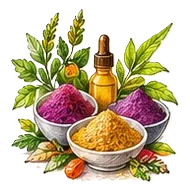
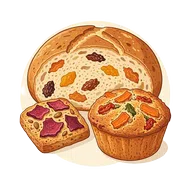
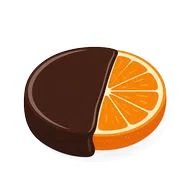
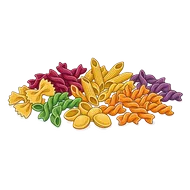
Usage Areas of Our Dried Products
General Information:
Your comments and feedback after using hibiscus powder are very valuable to us for improving ourselves. Please consult the relevant professionals before consuming the product. Information on our website, such as nutritional values, benefits, possible risks, intended uses or side effects, was compiled from scientific sources while the site was being developed. Positive or negative comments, benefits and risks mentioned in the examples about the product may vary from person to person. Technical information such as photos, approximate waste rates, how to use it, how to consume it, intended uses, how it is made and how it is produced is provided to introduce the varieties and general characteristics of hibiscus powder. The hibiscus powder you purchase may differ because of factors such as the raw material variety, the drying technique, the raw material producer or the supply region. Wholesale quantities, prices, package weights, points of sale and areas of use may vary.