Hibiscus tea
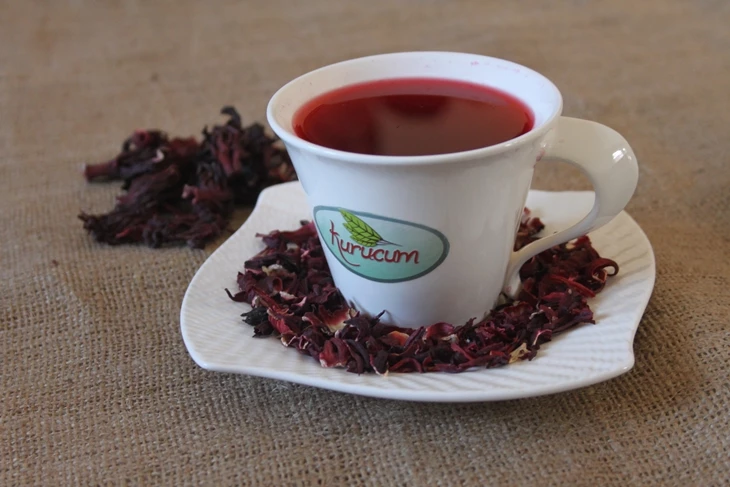
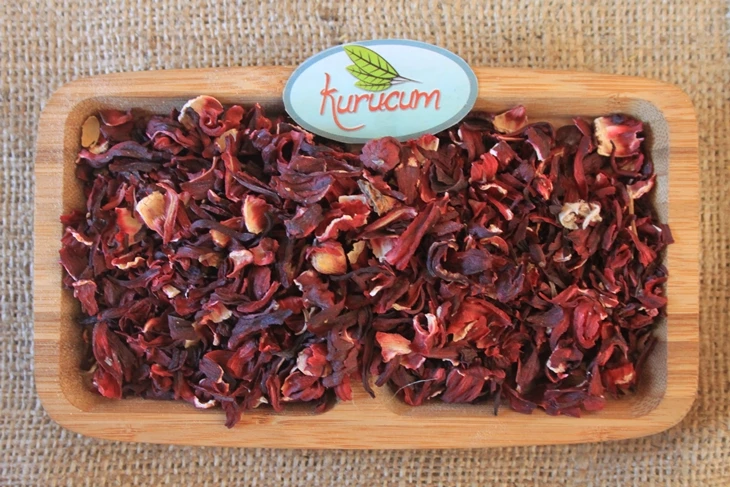
What Is Hibiscus Tea for Tea Blends?
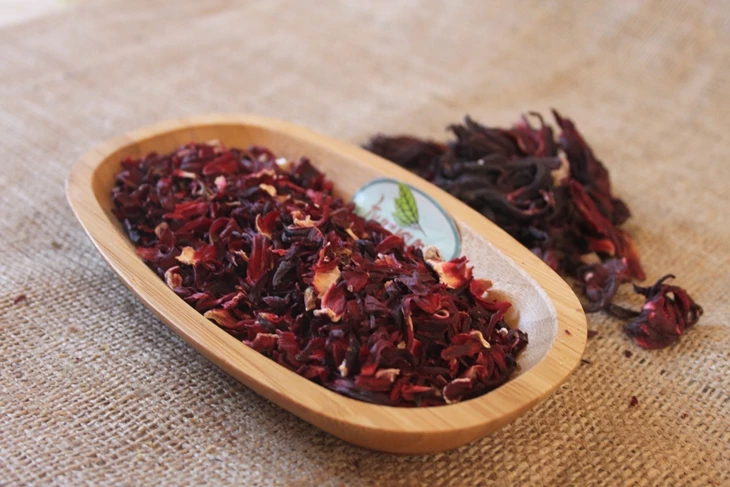
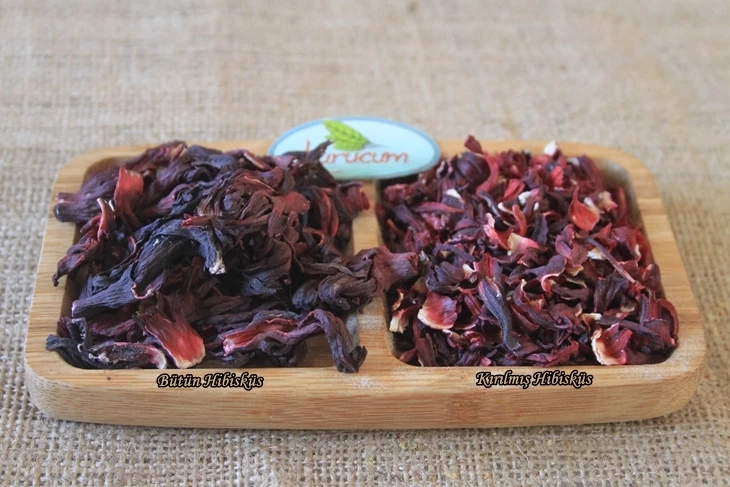
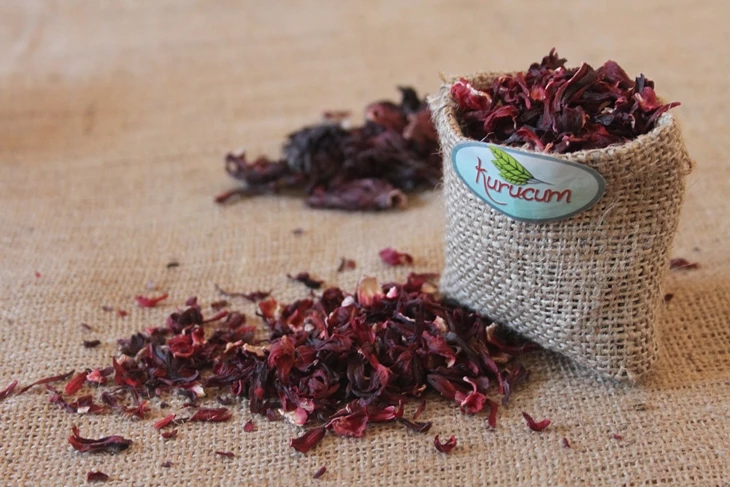
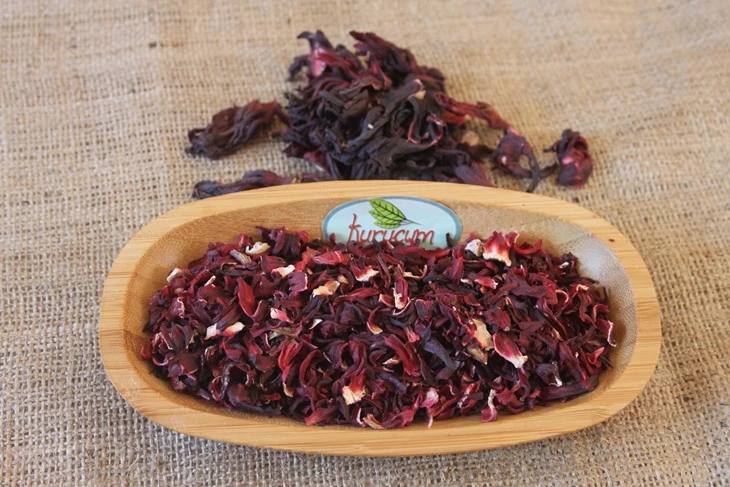
Hibiscus is the dried form of the flower known in Turkey as “pomegranate flower” (nar çiçeği). It is generally added to tea blends or used as a standalone tea. Product varieties at our company include;
Hibiscus - whole pomegranate flower
Hibiscus - pomegranate flower powder
Hibiscus broken large pieces (polished)
How to Store Hibiscus Tea for Tea Blends?
Dried hibiscus has a minimum shelf life of 1 year when stored under suitable conditions. There are 3 main factors that reduce this period:
- Humidity
- Sunlight
- High temperature
To prevent shortening the shelf life, it should be kept in its own packaging in a cool, dry environment away from sunlight.
Where Is Hibiscus Tea (Pomegranate flower) Used for Tea Blends?
What Is Its Function in Industrial Production?
Where Can It Be Used in Food Production:
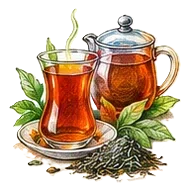
- Herbal Tea Production: Hibiscus is one of the main components of herbal teas. It stands out especially with its refreshing and slightly tart taste. Teas can be consumed hot or cold.
- Sherbets and Fruit Juices: Hibiscus is preferred in beverages such as sherbets, fruit juices, and sodas as a natural color and aroma provider.
- Desserts and Confectionery: It is used as a natural color and aroma agent in ice creams, puddings, cakes, Turkish delights, and candies.
- Marmalades and Jams: Hibiscus provides natural acidity and color in jams and marmalades.
- Fermented Products: The use of hibiscus as a natural aroma and color provider in kombucha and other fermented beverages is common.
Functional and Dietary Supplements:
- Antioxidant Supplements: Thanks to its high antioxidant content, hibiscus is found in immune-boosting dietary supplements.
- Blood Pressure Regulating Products: Hibiscus is known for its ability to lower blood pressure and is used in natural supplements for this property.
- Digestive Support Products: Hibiscus contains components that facilitate digestion, which allows it to be used in probiotic products.
- Weight Control Supplements: With its metabolism-boosting effect, hibiscus can be used in diet products.
Cosmetics and Skincare:
- Skincare Products: Due to its natural acidic structure, hibiscus is used in face masks and toners for its skin-brightening and tone-evening effects.
- Shampoo and Hair Care: With its properties of strengthening hair roots and preventing dandruff, hibiscus is found in shampoos and hair care products.
- Moisturizing Products: It can be used in moisturizing creams for its ability to increase skin elasticity.
Coloring Agent:
- Natural Food Coloring: Hibiscus is preferred as a natural reddish-purple coloring agent in food and beverages.
- Desserts and Drinks: Hibiscus powder or extract gives products an eye-catching color.
Home Products and Decoration:
- Natural Fragrance: Hibiscus petals are used as a flavoring agent in scented candles, soaps, and potpourris.
- Decorative Purposes: Hibiscus petals can be used decoratively in packaging or special drinks to provide an aesthetic appearance.
Home Uses? Where to Use?
Homemade Drinks:
- Hibiscus Tea: Hibiscus tea, which can be consumed hot or cold, offers a refreshing and beneficial beverage alternative.
- Fruit Juices and Smoothies: Hibiscus can be added to fruit juices or smoothies to be used as a flavoring and coloring agent.
- Homemade Sherbet: Hibiscus can be preferred as a key ingredient in natural sherbets made using traditional methods.
Food Preparation:
- Jams and Syrups: Hibiscus can be used in homemade jams, syrups, or marmalades to achieve a natural flavor and color.
- Desserts and Cakes: Hibiscus can be used in cakes, cookies, and desserts for both flavoring and decoration.
Skin and Hair Care:
- Homemade Masks: Hibiscus can be used as a natural ingredient in skin masks. It may moisturize and revitalize the skin.
- Hair Rinses: Hibiscus can be used as a rinse to support hair health.
Nutritional Values of Dried Hibiscus (Per 100 Grams)
| Nutrient | Amount | Source |
|---|---|---|
| Calories | 300 kcal | USDA, 2021 |
| Carbohydrates | 70 g | USDA, 2021; Lim et al., 2022 |
| Fiber | 12 g | Lim et al., 2022; Ranjan et al., 2021 |
| Sugar | 28 g | USDA, 2021; Mounigan et al., 2019 |
| Protein | 4.5 g | USDA, 2021; Vasanthi et al., 2022 |
| Fat | 1.1 g | USDA, 2021 |
| Vitamin A | 17 µg | Lim et al., 2022; Sánchez-Camargo et al., 2020 |
| Vitamin C | 6 mg | USDA, 2021; Ranjan et al., 2021 |
| Calcium | 350 mg | USDA, 2021; Lim et al., 2022 |
| Iron | 8 mg | USDA, 2021; Sánchez-Camargo et al., 2020 |
| Magnesium | 85 mg | USDA, 2021 |
| Phosphorus | 60 mg | USDA, 2021; Tan et al., 2021 |
| Potassium | 1500 mg | USDA, 2021; Sahu et al., 2021 |
| Sodium | 20 mg | USDA, 2021; Lim et al., 2022 |
| Copper | 0.15 mg | USDA, 2021; Mounigan et al., 2019 |
| Zinc | 0.35 mg | USDA, 2021 |
| Manganese | 0.45 mg | USDA, 2021; Ranjan et al., 2021 |
| Selenium | 1 µg | USDA, 2021 |
| Folic Acid (B9) | 2 µg | USDA, 2021; Lim et al., 2022 |
| Niacin (B3) | 0.06 mg | USDA, 2021; Ranjan et al., 2021 |
| Riboflavin (B2) | 0.03 mg | USDA, 2021 |
Sources
- USDA, 2021 - FoodData Central, "Nutritional Profile of Hibiscus sabdariffa."
- Lim et al., 2022 - Journal of Food Composition and Analysis, "Mineral and Vitamin Composition of Hibiscus."
- Ranjan et al., 2021 - Nutrition Research, "Comparative Analysis of Nutrient Density in Dried Herbs."
- Sánchez-Camargo et al., 2020 - Food Chemistry, "Chemical Composition and Antioxidant Activity of Hibiscus."
- Mounigan et al., 2019 - Journal of Agricultural and Food Chemistry, "Minerals and Micronutrients in Edible Flowers."
- Tan et al., 2021 - Asia Pacific Journal of Clinical Nutrition, "Micronutrient Content in Common Dried Herbs and Spices."
- Vasanthi et al., 2022 - Journal of Medicinal Plants Research, "Hibiscus as a Source of Essential Nutrients and Antioxidants."
- Sahu et al., 2021 - International Journal of Food Sciences, "Potassium Levels in Various Fruits."
Usage Areas of Our Dried Products
General Information:
Your comments and feedback after using hibiscus tea are very valuable to us for improving ourselves. Please consult the relevant professionals before consuming the product. Information on our website, such as nutritional values, benefits, possible risks, intended uses or side effects, was compiled from scientific sources while the site was being developed. Positive or negative comments, benefits and risks mentioned in the examples about the product may vary from person to person. Technical information such as photos, approximate waste rates, how to use it, how to consume it, intended uses, how it is made and how it is produced is provided to introduce the varieties and general characteristics of hibiscus tea. The hibiscus tea you purchase may differ because of factors such as the raw material variety, the drying technique, the raw material producer or the supply region. Wholesale quantities, prices, package weights, points of sale and areas of use may vary.