Hibiscus
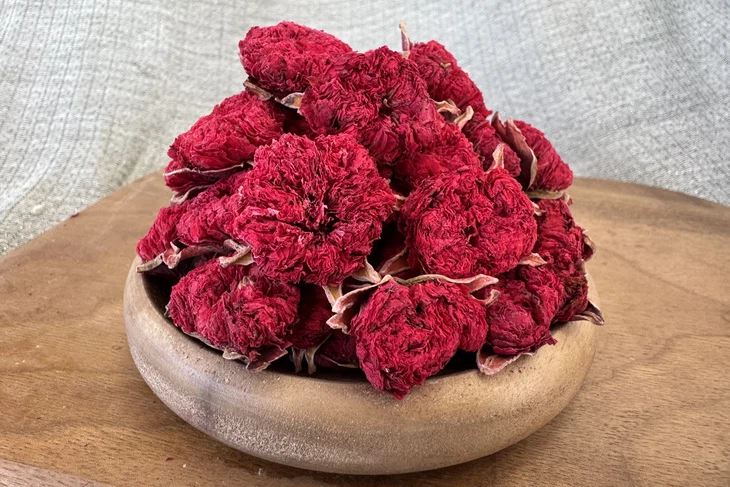
What Is Hibiscus?
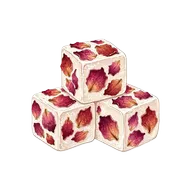
Hibiscus (Pomegranate Flower) is produced by drying fresh hibiscus flowers, resulting in a product that retains its floral form.
How to Store Hibiscus?
Dried hibiscus has a shelf life of at least 1 year when stored under proper conditions. There are 3 main factors that reduce this period:
- Humidity
- Sunlight
- High temperature
To prevent a shortened shelf life, it should be kept in its original packaging in a cool, dry environment away from direct sunlight.
Where Is Hibiscus Used?
1. Food and Beverage Industry
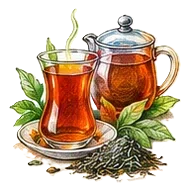
- Herbal Teas: Hibiscus is used in herbal tea blends due to its mild aroma and health benefits.
- Natural Sweetener and Flavoring: It is used as a natural sweetener in desserts, syrups, and various beverages.
- Functional Foods and Beverages: Due to its antioxidant properties, hibiscus is used in functional drinks and functional snacks.
2. Cosmetics and Personal Care Industry
- Skincare: It is used in skincare products due to its anti-inflammatory properties.
- Aromatherapy Products: It is used in essential oils, candles, and room sprays due to its light and refreshing aroma.
- Natural Soap and Shampoo: It can be found in personal care products for skin and hair health.
3. Herbal Supplement Products
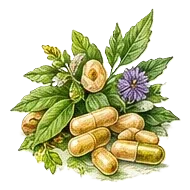
- Nutritional Supplements: It is used in nutritional supplements due to its antioxidant properties.
- Traditional Medicine: It is used for various health purposes in traditional medicine practices.
4. Pharmaceutical Industry
- Natural Drug Raw Material: It is used in some natural drug formulations due to its anti-inflammatory and antioxidant properties.
- Laboratory Research: Pharmacological research is conducted on hibiscus.
Why Choose Hibiscus?
Hibiscus is a botanical product obtained by collecting and drying hibiscus flowers (known in Turkey as nar çiçeği, "pomegranate flower"). As a manufacturer and supplier producing dried food at its production facility in Isparta, Kurucum Food prepares hibiscus products on demand for domestic and international businesses.
The product is used in areas such as herbal tea blends, natural product manufacturing, and decorative and aromatic applications. You can contact us for product information and samples.
Frequently Asked Questions About Hibiscus
What is hibiscus?
Hibiscus is a botanical product obtained by collecting and drying hibiscus flowers (known in Turkey as nar çiçeği, "pomegranate flower").
In which sectors and areas is hibiscus used?
Hibiscus is used in areas such as herbal tea blends, natural product manufacturing, and decorative and aromatic applications.
How is hibiscus supplied wholesale?
The product is produced on demand at Kurucum Food facilities; packaging size and quantity are determined according to the business's needs. You can reach us via our contact page for bulk purchases, samples, and product information.
Hibiscus Supply and Packaging
Hibiscus is produced on demand at Kurucum Food facilities. The product can be prepared in different cuts and sizes according to your business's needs; packaging size is determined by request. You can contact us for samples and product information.
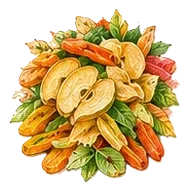
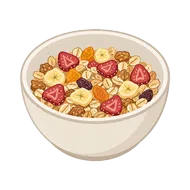
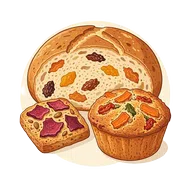
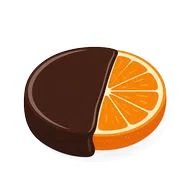
Usage Areas of Our Dried Products
General Information:
Your comments and feedback after using hibiscus are very valuable to us for improving ourselves. Please consult the relevant professionals before consuming the product. Information on our website, such as nutritional values, benefits, possible risks, intended uses or side effects, was compiled from scientific sources while the site was being developed. Positive or negative comments, benefits and risks mentioned in the examples about the product may vary from person to person. Technical information such as photos, approximate waste rates, how to use it, how to consume it, intended uses, how it is made and how it is produced is provided to introduce the varieties and general characteristics of hibiscus. The hibiscus you purchase may differ because of factors such as the raw material variety, the drying technique, the raw material producer or the supply region. Wholesale quantities, prices, package weights, points of sale and areas of use may vary.