Apricot Powder
What is Apricot Powder?
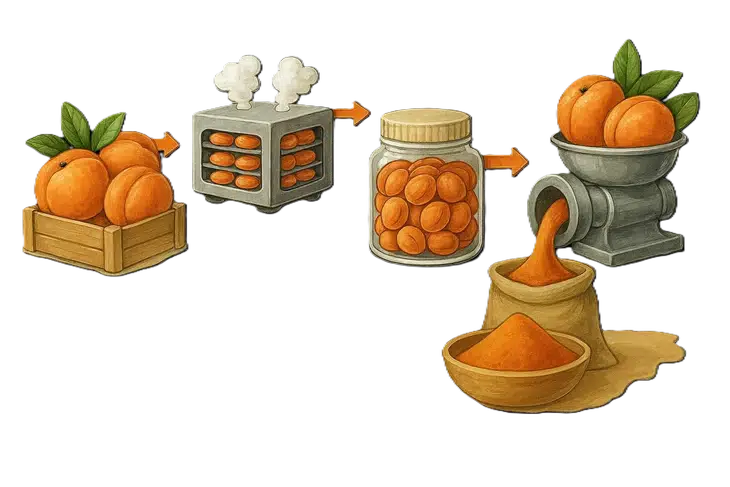
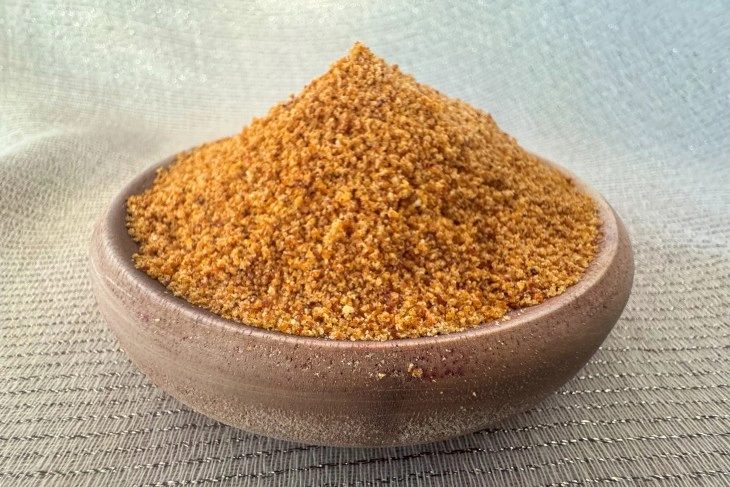
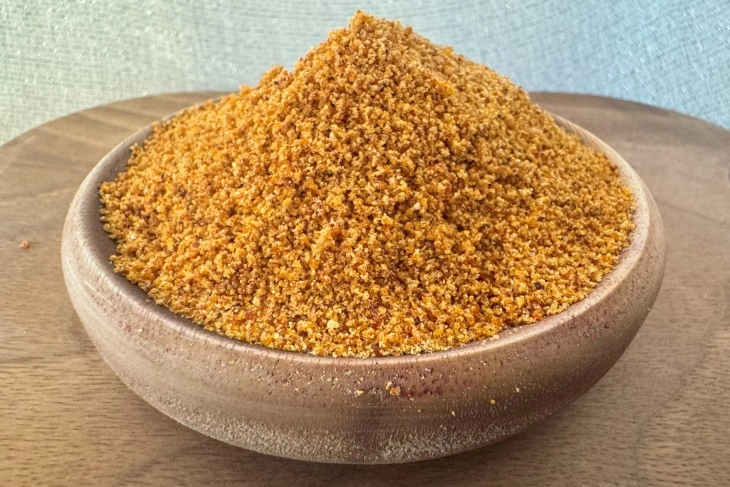
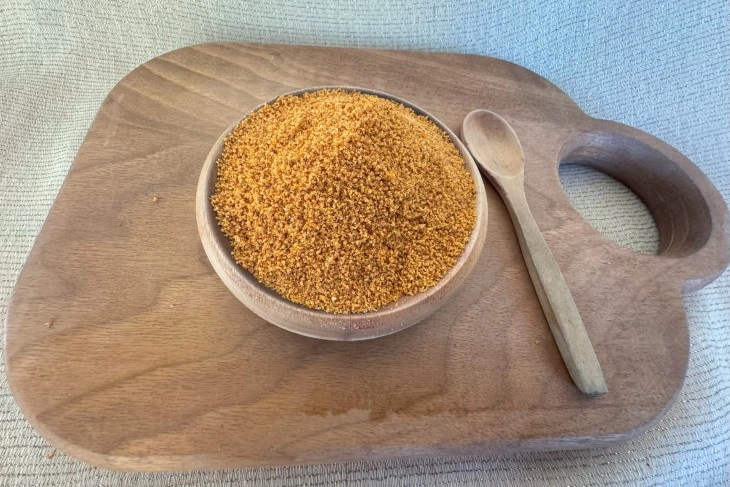
Apricot powder is the ground form of the product obtained by drying fresh apricots. Before drying, fresh apricots contain approximately 80-85% water. Through drying, the water content in the fresh product is reduced to very low levels. As a result of drying, approximately 1 kg of dried apricot powder is obtained from 5-6 kg of fresh apricots. During the drying process, the water in the fresh product is removed, leaving the essence of the apricot. Therefore, the nutritional values of apricot powder, especially protein, carbohydrates, minerals, and fiber content, are highly concentrated.
How is the dried apricot powder we manufacture made?
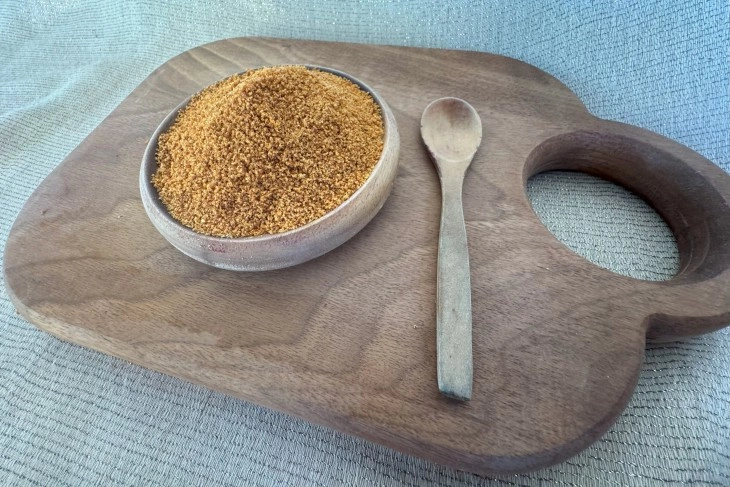
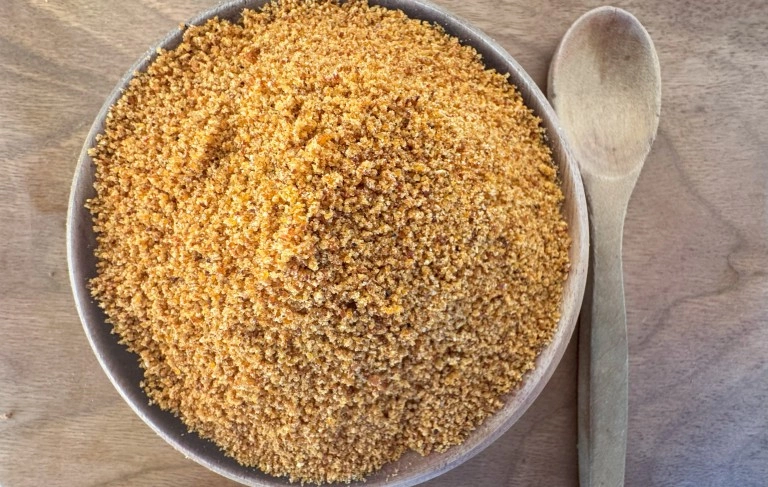
Dried apricot powder 0-1 mm: Fresh apricots are dried after undergoing necessary pre-treatments. After drying, the dried apricot is ground using special crushing systems to obtain apricot powder.
How to Store Apricot Powder?
Dried apricot powder has a shelf life of at least 1 year when stored under suitable conditions. There are 3 main factors that reduce this period:
- Humidity
- Sunlight
- High temperature
To prevent a shorter shelf life, it should be kept in its own packaging in a cool, dry environment away from sunlight.
Where is Apricot Powder Used?
What is its function in industrial production?
1. Ready-to-Eat Food Manufacturers
- Apricot Confectionery and Bars:
Apricot powder can be used in energy bars, confectionery, and fruit-based snacks.- Benefits: Its sweet, slightly tart taste and fruity aroma add a rich flavor to snack products.
- Usage Advantage: It offers a more durable and practical option compared to transporting or processing fresh apricots.
2. Bakery and Pastry Products
- Cakes, Cookies, and Breads:
Apricot powder can be used as a flavor enhancer in sweet and savory bakery products.- Benefits: The natural sugar and aroma of the apricot make bakery products more appealing.
- Usage Advantage: It provides a natural option by reducing the need for sweeteners in products.
3. Beverage Manufacturers
- Apricot-Flavored Drinks:
It can be used as a sweetener and coloring agent in fruit juices, smoothie mixes, milkshakes, and teas.- Benefits: Apricot powder adds both a pleasant taste and a natural color to beverages.
- Usage Advantage: Its quickly soluble form provides ease of use in industrial production.
4. Frozen Food Products
- Use in Ice Cream and Sorbet:
Apricot powder is used as a natural source of aroma and flavor in ice cream, sorbet, and frozen desserts.- Benefits: The balance of sweet and tart in the apricot offers a unique flavor in dessert products.
- Usage Advantage: It eliminates seasonal limitations and ensures consistent quality throughout the year.
5. Baby Food and Supplements
- Sweetener in Baby Food:
Apricot powder is ideal for adding flavor and natural sweetness to baby food.- Benefits: Its mild taste and nutritional properties are suitable for baby food.
- Usage Advantage: It offers a natural alternative to chemical additives.
Home Use and Applications
6. Homemade Desserts and Snacks
- Apricot Cake, Cookies, and Pudding:
Apricot powder can be used as a natural sweetener in homemade desserts.- Function: Its mild sweet and fruity aroma makes desserts delicious.
- Benefit: Helps reduce sugar usage and offers a natural taste.
7. Smoothies and Fruit Drinks
- Homemade Smoothies and Fruit Blends:
Apricot powder can be used to add flavor and nutritional value to drinks.- Function: Apricot powder provides a fruit alternative rich in vitamins and minerals.
- Benefit: Can be prepared quickly thanks to its practical use.
8. Use in Salads and Dressings
- Fruity Salad Dressings:
Apricot powder can be used to add a mildly sweet flavor to salad dressings.- Function: Provides a sweet-savory balance in fruit salads and dressings.
- Benefit: Adds a light and natural aroma to dishes.
9. Nutritious Snacks and Energy Mixes
- Protein Bars and Mixes:
Apricot powder can be added to homemade energy bars or granola mixes.- Function: Acts as a natural energy source and sweetener.
- Benefit: Offers a functional snack alternative.
10. Skincare and Cosmetic Products
- Homemade Masks and Cosmetic Formulas:
Apricot powder can be used in skin masks and natural cosmetic products.- Function: Apricot contains vitamins and natural antioxidants that nourish the skin.
- Benefit: Suitable for preparing natural beauty products.
11. Use in Yogurt and Breakfast Products
- Apricot Yogurt and Muesli:
Apricot powder can be consumed by sprinkling it over yogurt and breakfast cereals.- Function: Its mild sweet and fruity taste enriches breakfast.
- Benefit: Offers both a nutritious and delicious option.
Nutritional Values Comparison Table
| Nutritional Values | Fresh Apricot (100 g) | Dried Apricot (100 g) | % Change |
|---|---|---|---|
| Calories | 48 kcal | 241 kcal | +403% |
| Carbohydrates | 11.1 g | 62 g | +469% |
| Fiber | 2.0 g | 7.0 g | +250% |
| Sugar | 9.2 g | 53.0 g | +478% |
| Protein | 1.4 g | 3.4 g | +143% |
| Fat | 0.1 g | 0.5 g | +400% |
| Calcium | 13 mg | 80 mg | +515% |
| Iron | 0.5 mg | 1.7 mg | +240% |
| Potassium | 259 mg | 1162 mg | +348% |
| Sodium | 0 mg | 4 mg | - |
| Vitamin C | 10 mg | 0 mg | -100% |
| Glycemic Index | 30 | 50 | +67% |
References
- Cai et al., 2019; Food Science & Nutrition, "Nutritional Evaluation and Antioxidant Activity of Dried Apricots", 7(3), 1152-1161.
- Bennett et al., 2018; Nutrients, "The Health Benefits of Dried Apricots", 10(11), 1642.
- Ochoa et al., 2021; Journal of Food Composition and Analysis, "Nutritional Profile of Dried Fruits: A Review", 103, 104021.
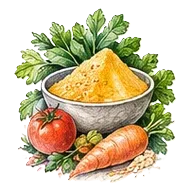
Usage Areas of Our Dried Products

General Information:
Your comments and feedback after using apricot powder are very valuable to us for improving ourselves. Please consult the relevant professionals before consuming the product. Information on our website, such as nutritional values, benefits, possible risks, intended uses or side effects, was compiled from scientific sources while the site was being developed. Positive or negative comments, benefits and risks mentioned in the examples about the product may vary from person to person. Technical information such as photos, approximate waste rates, how to use it, how to consume it, intended uses, how it is made and how it is produced is provided to introduce the varieties and general characteristics of apricot powder. The apricot powder you purchase may differ because of factors such as the raw material variety, the drying technique, the raw material producer or the supply region. Wholesale quantities, prices, package weights, points of sale and areas of use may vary.