Dried apricot
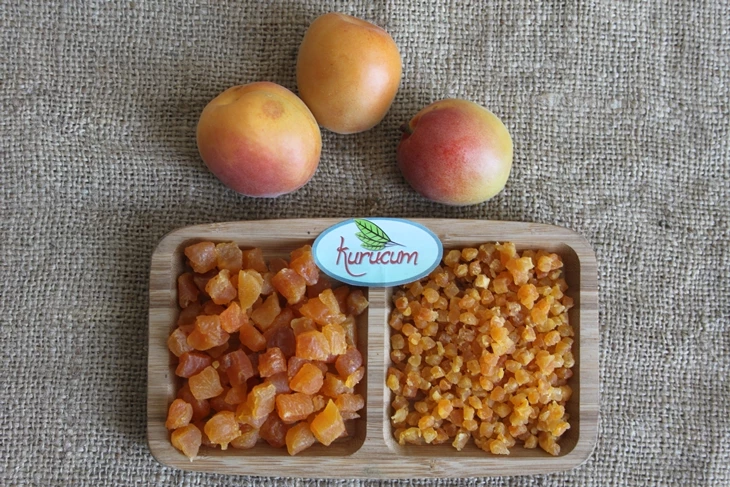
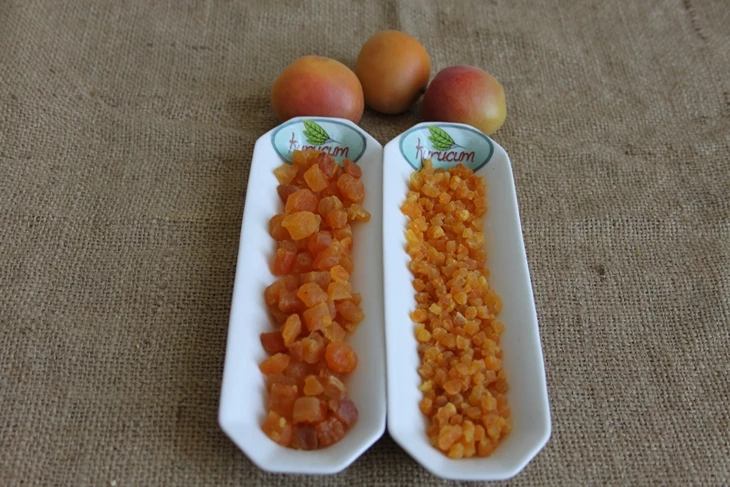
What Is Dried Apricot?
Dried apricot is a product obtained by processing fresh apricots using special systems, drying them, and subsequently cutting them. Before drying, fresh apricots contain approximately 80-85% water. Through the drying process, the water content in the fresh product is reduced to very low levels. As a result of drying, approximately 1 kg of dried apricot is obtained from 5-6 kg of fresh apricot. During the drying process, the water inside the fresh product is removed, leaving the essence of the product. For this reason, the nutritional values of dried apricot, especially protein, carbohydrates, minerals, and fiber, are significantly increased.
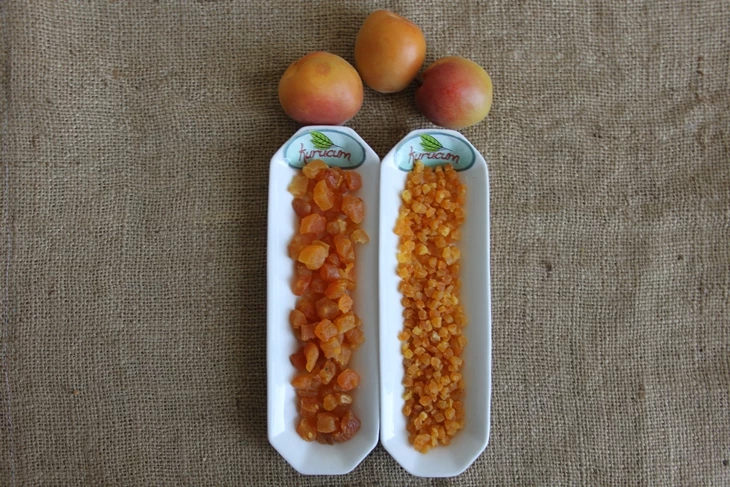
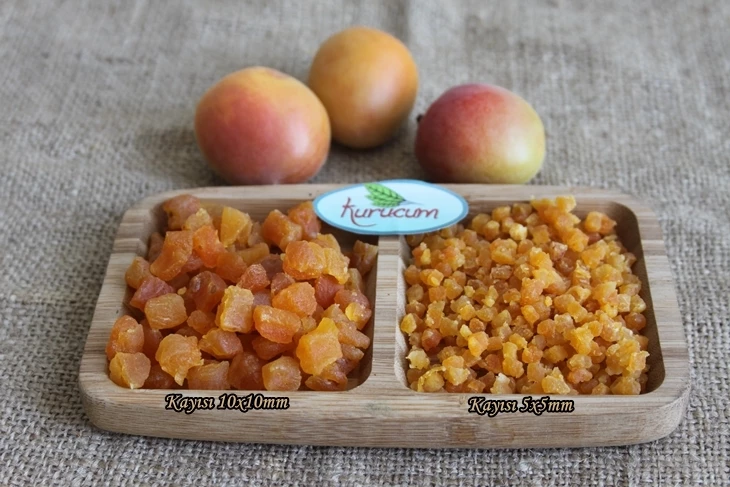
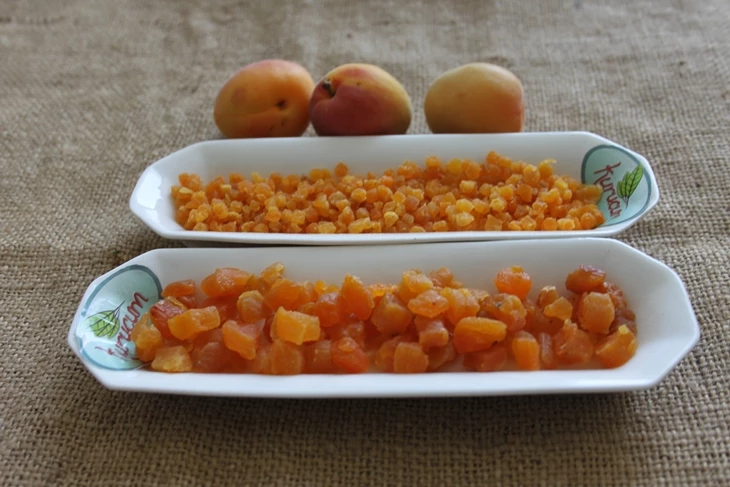
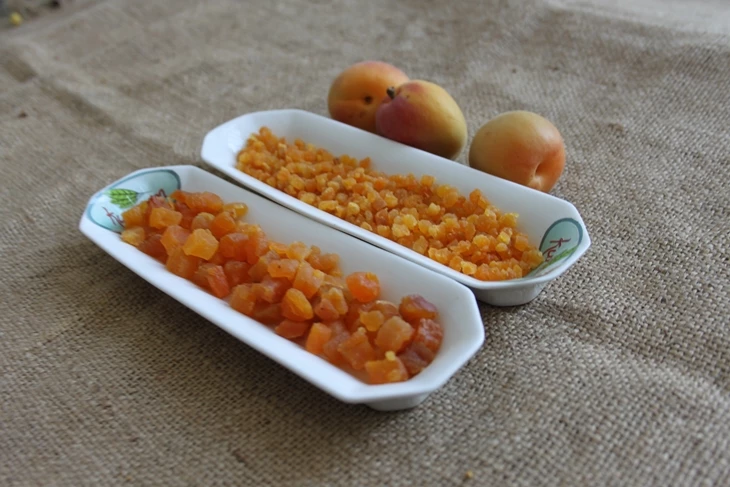
As the manufacturer, we supply dried apricot in these cut sizes:
Dried apricot fine pieces 1-5 mm
Dried apricot cuts 5x5 mm
Dried apricot diced 10x10 mm
Dried apricot strips 5 mm
Dried apricot strips 10 mm
Dried Apricot Package Sizes:
Shipped in packages ranging from 5-25 kg.
What Is Dried Apricot Used For?
What Is Its Use in Industrial Production?
Where Can It Be Used in Food Production:
- Dessert and Bakery Products: Used as a natural sweetener and filling material in desserts such as cakes, pastries, cookies, and pies.
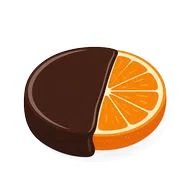
- Confectionery and Snack Production: Used as a flavor enhancer and nutritious ingredient in chocolate-coated dragees, Turkish delight, and energy bars.
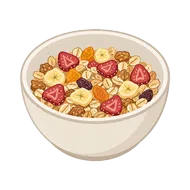
- Muesli and Breakfast Products: Used as a flavoring and coloring ingredient in cereals, granola mixes, and breakfast bars.
Where Can It Be Used in Convenience Food Production:
- Ready Dessert Mixes: Dried cut apricot adds aroma and natural sweetness to ready-made dessert and pudding mixes.
- Yogurt and Ice Cream Production: Used as apricot pieces in fruit-based yogurts and ice creams.
Beverage Manufacturers:
- Fruit Teas and Blends: Apricot pieces provide both aroma and visual appeal in fruit teas.
- Traditional Sherbets and Drinks: Preferred in the production of natural sweet drinks such as Ottoman sherbets.
Functional Products:
- Dietary Snacks: Found in low-calorie, high-fiber snack products.
- Protein Bars and Sports Nutrition: Used in sports foods to provide energy and increase nutritional value.
Decorative Uses:
- Presentation and Packaging: Preferred as a natural decorative ingredient that enhances the visual appeal of food products.
Home Use? Applications?
Snacking:
- Snack Alternative: Ideal for daily consumption as a light, satisfying, and nutritious snack.
- Homemade Energy Bars: Used in homemade energy bars by mixing with nuts and oats.
Homemade Recipes:
- Desserts and Puddings: Apricot slices add both flavor and visual appeal to homemade desserts and milk-based puddings.
- Marmalades and Jams: Apricot pieces can be used as a natural sweetener in making marmalades and jams.
Breakfast and Appetizers:
- Breakfast Alternative: Found as a delicious ingredient in yogurt, oat, and milk mixtures.
- Dried Fruit Platter: Consumed during tea time by blending with various dried fruits.
Beverage Recipes:
- Homemade Fruit Teas: Natural fruit teas can be prepared with apricot pieces.
- Sherbets and Compotes: Found as a natural sweetener in the preparation of traditional drinks.
Natural & Decor:
- Gift Products: Used as a decorative component in natural baskets.
How Much Is Dried Apricot?
As a wholesale dried apricot manufacturer, we strive to offer you the best quality at the most affordable price, aiming to be your reliable wholesale manufacturer and supplier. Wholesale shipments are sold in industrial-type packaging suitable for industrial use.
The answer to the question how much is dried apricot? depends on the following: stock status, variables related to exchange rates, logistics costs based on the origin of the raw material, fresh apricot prices, and the suitability of the production season in terms of pricing. These conditions may cause an increase in dried apricot production costs. You can get the current wholesale per-kilo price by emailing bilgi@kurucum.com or calling +90 246 233 07 90. To get an answer to the question of what the wholesale dried apricot price per kilo is, you can find our contact information on our order page.
Nutritional Values Comparison Table
| Nutritional Values | Fresh Apricot (100 g) | Dried Apricot (100 g) | % Change |
|---|---|---|---|
| Calories | 48 kcal | 241 kcal | +403% |
| Carbohydrates | 11.1 g | 62 g | +469% |
| Fiber | 2.0 g | 7.0 g | +250% |
| Sugar | 9.2 g | 53.0 g | +478% |
| Protein | 1.4 g | 3.4 g | +143% |
| Fat | 0.1 g | 0.5 g | +400% |
| Calcium | 13 mg | 80 mg | +515% |
| Iron | 0.5 mg | 1.7 mg | +240% |
| Potassium | 259 mg | 1162 mg | +348% |
| Sodium | 0 mg | 4 mg | - |
| Vitamin C | 10 mg | 0 mg | -100% |
| Glycemic Index | 30 | 50 | +67% |
References
- Cai et al., 2019; Food Science & Nutrition, "Nutritional Evaluation and Antioxidant Activity of Dried Apricots", 7(3), 1152-1161.
- Bennett et al., 2018; Nutrients, "The Health Benefits of Dried Apricots", 10(11), 1642.
- Ochoa et al., 2021; Journal of Food Composition and Analysis, "Nutritional Profile of Dried Fruits: A Review", 103, 104021.
Usage Areas of Our Dried Products

General Information:
Your comments and feedback after using dried apricot are very valuable to us for improving ourselves. Please consult the relevant professionals before consuming the product. Information on our website, such as nutritional values, benefits, possible risks, intended uses or side effects, was compiled from scientific sources while the site was being developed. Positive or negative comments, benefits and risks mentioned in the examples about the product may vary from person to person. Technical information such as photos, approximate waste rates, how to use it, how to consume it, intended uses, how it is made and how it is produced is provided to introduce the varieties and general characteristics of dried apricot. The dried apricot you purchase may differ because of factors such as the raw material variety, the drying technique, the raw material producer or the supply region. Wholesale quantities, prices, package weights, points of sale and areas of use may vary.