Dried Cabbage
What Is Dried Cabbage?
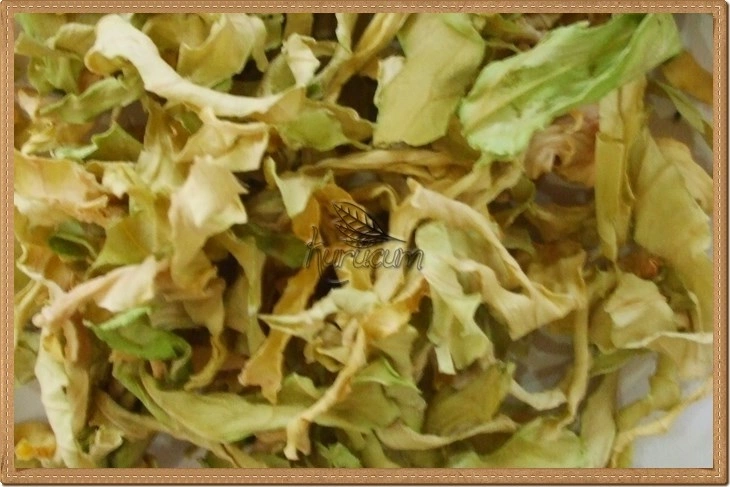
Dried cabbage is the dried form of fresh cabbage. Cabbage has a water content of approximately 92%. By removing the water content, about 1 kg of dried cabbage is obtained from approximately 12-13 kg of cabbage. Drying removes the water from the product, leaving only the essence. Therefore, the nutritional values of dried cabbage, especially mineral, protein, and carbohydrate ratios, are highly concentrated in the dried product.
Our dried cabbage varieties that we manufacture are;
Dried cabbage powder 0-1 mm
Dried cabbage granules
How to Store Dried Cabbage?
Dried cabbage has a minimum shelf life of 1 year when stored under suitable conditions. There are 3 main factors that reduce this period:
- Humidity
- Sunlight
- High temperature
To prevent a shortened shelf life, it should be kept in its own packaging in a cool, dry environment away from sunlight.
Where Is Dried Cabbage Used?
What Is Its Function in Industrial Production?
Food Manufacturers
Soups and Sauces:
- Where to Use: Used as a flavor enhancer in soups and vegetable sauces.
- What Is Its Function? Cabbage adds a slightly acidic taste and a fresh aroma to soups.
- Benefit of Use: Its dried form eliminates the difficulties of using fresh cabbage and integrates easily into soups.
Ready-Meal Production:
- Where to Use: Used in ready meals, especially in garnishes and vegetable-based dishes.
- What Is Its Function: Dried cabbage adds richness to dishes and increases their nutritional value.
- Benefit of Use: It allows for the creation of functional dishes at a low cost.
Snack Products
- Where to Use: Used in vegetable snacks and chips.
- Benefits: Cabbage is preferred for its low-calorie and nutritious properties.
- Usage Benefit: It offers both a functional and delicious snack alternative.
- Where to Use: Used in vegetable snacks and chips.
Animal Feed Manufacturers
- Where to Use: It is used in animal feed, especially in cattle and poultry feed mixtures.
- Benefits: Cabbage is a source of fiber that supports the digestive system of animals.
- Usage Benefit: As an economical animal feed ingredient, it reduces costs.
- Where to Use: It is used in animal feed, especially in cattle and poultry feed mixtures.
Functional Food Products
- Where to Use: It is found in herbal supplements, especially in products that strengthen the immune system.
- Benefits: Cabbage is rich in antioxidants and vitamins.
- Usage Benefit: It supports conscious living by offering a natural and organic ingredient.
- Where to Use: It is found in herbal supplements, especially in products that strengthen the immune system.
Home Use and Applications
Homemade Meals
Where to Use: It is used to add flavor and texture to homemade soups, stews, and dishes.
- Benefits: Cabbage gives dishes a vegetable flavor and an intense aroma.
- Usage Benefit: When fresh cabbage is not available, the dried form can be used easily.
Where to Use: In vegetable dishes and side dishes.
- Benefits: It replaces fresh cabbage and adds a natural taste to meals.
- Usage Benefit: It can be used quickly and dissolves easily during cooking.
Child Nutrition
- Where to Use: It is used in functional vegetable purees or soups for children.
- Benefits: Cabbage is a vegetable rich in vitamins and minerals.
- Usage Benefit: It offers a nutritious meal alternative for children and supports the digestive system.
- Where to Use: It is used in functional vegetable purees or soups for children.
Breakfast and Snacks
- Where to Use: It can be used in breakfast recipes such as oatmeal or smoothies.
- Benefits: Cabbage offers a low-calorie and nutritious ingredient.
- Usage Benefit: Mixes easily and increases nutritional value.
- Where to Use: It can be used in breakfast recipes such as oatmeal or smoothies.
Fermented Products
- Where to Use: Cabbage is used in homemade fermented products, especially in making sauerkraut and kimchi.
- What It Does: Cabbage is an excellent vegetable for the fermentation process.
- Usage Benefit: Increases the production of probiotics through the fermentation process.
- Where to Use: Cabbage is used in homemade fermented products, especially in making sauerkraut and kimchi.
Herbal Detox Products
- Where to Use: Can be used in detox drinks or functional beverage mixes.
- What It Does: Cabbage is rich in antioxidants and fiber, which is beneficial for the body.
- Usage Benefit: When transporting and storing fresh cabbage is difficult, the dried form is a practical alternative.
- Where to Use: Can be used in detox drinks or functional beverage mixes.
Difference Between Naturally or Oven-Dried Cabbage and Fresh Cabbage:
Dried cabbage is produced by drying fresh produce under suitable conditions using necessary processes. After drying, as the water is removed from the product, the water percentage decreases while the ratio of the essence increases; therefore, the nutritional values, active ingredients, minerals, and proteins in natural dried cabbage increase significantly compared to its fresh natural state. There is a significant difference in nutritional values between using the same amount of fresh cabbage and dried cabbage, but when comparing benefits, we can say that, except for some exceptional cases, dried cabbage provides the same benefits as natural fresh cabbage.
Comparison Table of Nutritional Values for Fresh and Dried Green Cabbage (100 grams)
| Nutrient | Fresh Green Cabbage | Dried Green Cabbage | % Change |
|---|---|---|---|
| Calories | 49 kcal | 350 kcal | +614% |
| Protein | 4.3 g | 28.1 g | +553% |
| Fiber | 4.1 g | 38.5 g | +839% |
| Carbohydrates | 8.75 g | 65.9 g | +653% |
| Sugar | 1.7 g | 13.1 g | +671% |
| Fat | 0.93 g | 7.8 g | +739% |
| Calcium | 254 mg | 1890 mg | +644% |
| Iron | 1.6 mg | 12.1 mg | +656% |
| Potassium | 491 mg | 3900 mg | +694% |
| Vitamin A | 9990 IU | 75500 IU | +656% |
| Vitamin C | 120 mg | 90 mg | -25% |
| Vitamin K | 390 mcg | 3200 mcg | +721% |
References
- USDA National Nutrient Database
- Self Nutrition Data
- FoodData Central
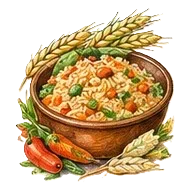
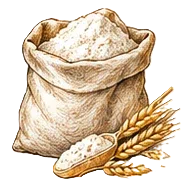
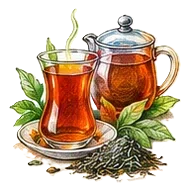
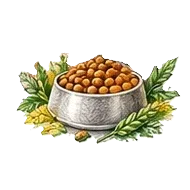
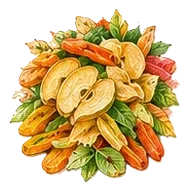
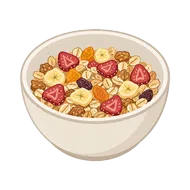
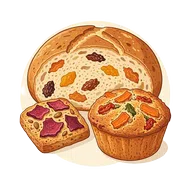
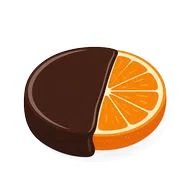
Usage Areas of Our Dried Products
General Information:
Your comments and feedback after using dried cabbage are very valuable to us for improving ourselves. Please consult the relevant professionals before consuming the product. Information on our website, such as nutritional values, benefits, possible risks, intended uses or side effects, was compiled from scientific sources while the site was being developed. Positive or negative comments, benefits and risks mentioned in the examples about the product may vary from person to person. Technical information such as photos, approximate waste rates, how to use it, how to consume it, intended uses, how it is made and how it is produced is provided to introduce the varieties and general characteristics of dried cabbage. The dried cabbage you purchase may differ because of factors such as the raw material variety, the drying technique, the raw material producer or the supply region. Wholesale quantities, prices, package weights, points of sale and areas of use may vary.