Active Compounds in Dried Vegetables
Active Ingredient Values 100 g
| Product | Active Ingredient | Dried Product Content | Source |
|---|---|---|---|
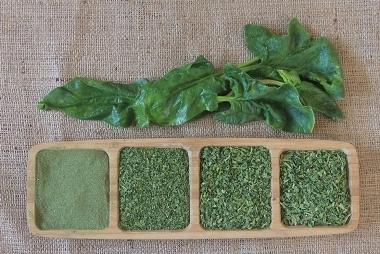 Dried spinach | Lutein | 6 mg/100g | [1] |
| Beta carotene | 7.2 mg/100g | [1] | |
| Vitamin K1 | 300 mcg/100g | [1] | |
| Folate | 520 mcg/100g | [1] | |
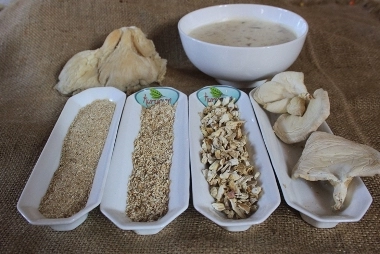 Dried oyster mushroom | Ergosterol | 2.5 mg/100g | [2] |
| D-mannose | 3 mg/100g | [2] | |
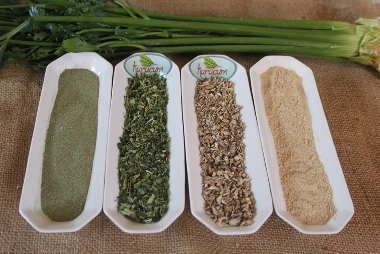 Dried Celery Leaves | Apigenin | 1.8 mg/100g | [3] |
| Vitamin C | 100 mg/100g | [3] | |
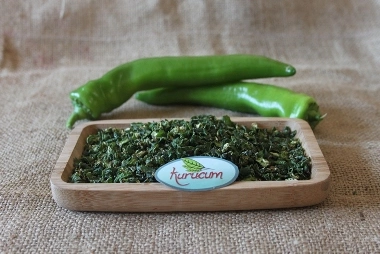 Dried green pepper | Quercetin | 3.4 mg/100g | [4] |
| Capsaicin | 0.5 mg/100g | [4] | |
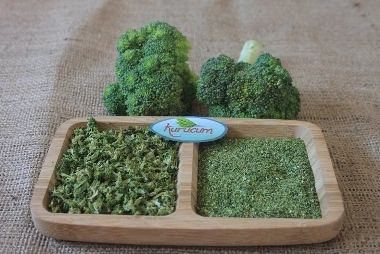 Dried broccoli | Glucosinolate | 5 mg/100g | [5] |
| Sulforaphane | 1.5 mg/100g | [5] | |
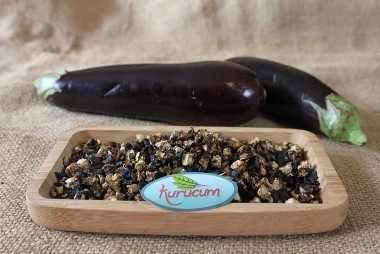 Dried eggplant | Nasunin | 0.7 mg/100g | [6] |
| Vitamin K | 2.5 mcg/100g | [6] | |
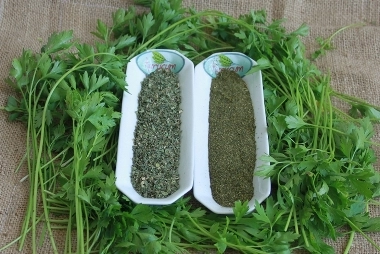 Dried parsley | Apigenin | 2.5 mg/100g | [7] |
| Vitamin A | 540 mcg/100g | [7] | |
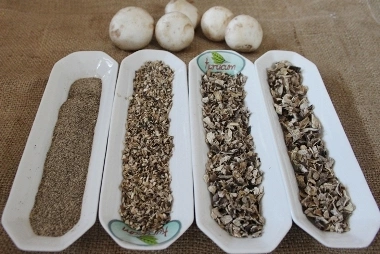 Dried Button Mushroom | Ergosterol | 1.8 mg/100g | [8] |
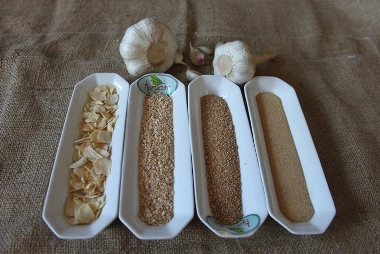 Dried Garlic | Allicin | 1.2 mg/100g | [9] |
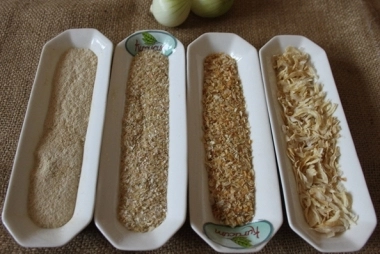 Dried onion | Quercetin | 2.2 mg/100g | [10] |
| Sulfur compounds | 0.4 mg/100g | [10] | |
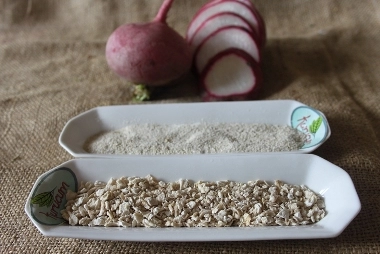 Dried turnip | Glucosinolates | 3.0 mg/100g | [11] |
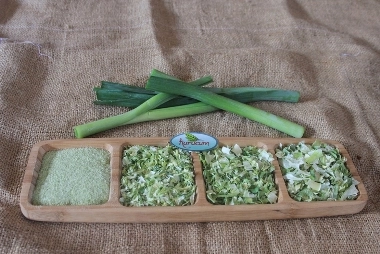 Dried Leek | Kaempferol | 1.5 mg/100g | [12] |
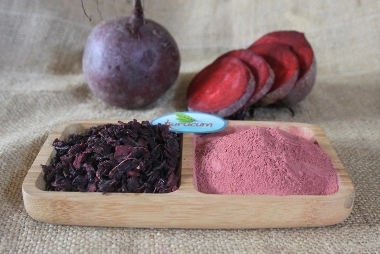 Dried beet | Betacyanin | 0.3 mg/100g | [13] |
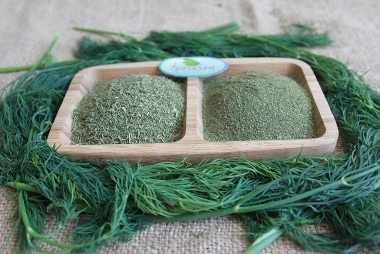 Dried dill | Apiin | 1.0 mg/100g | [14] |
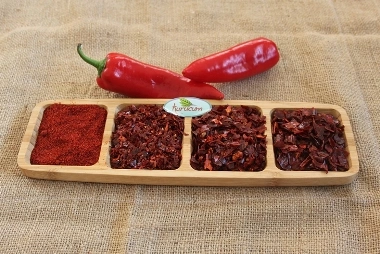 Dried capia pepper | Rutin | 0.5 mg/100g | [15] |
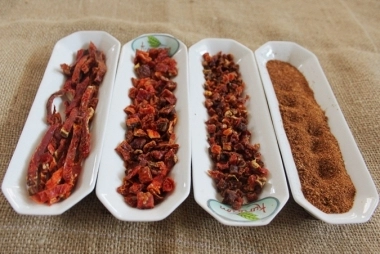 Dried Tomato | Lycopene | 4.0 mg/100g | [16] |
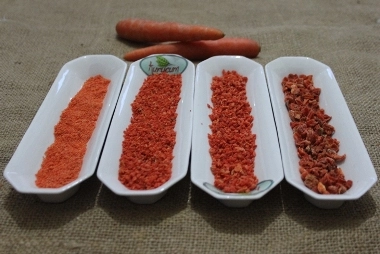 Dried carrot | Beta carotene | 8.0 mg/100g | [17] |
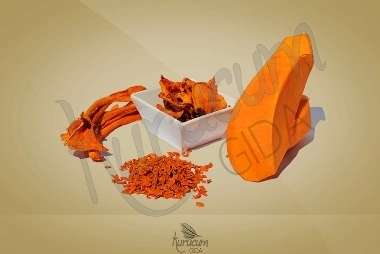 Dried Pumpkin | Beta carotene | 7.5 mg/100g | [18] |
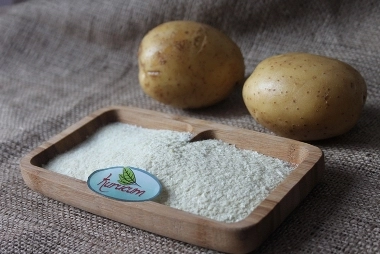 Dried potato | Vitamin B6 | 0.6 mg/100g | [19] |
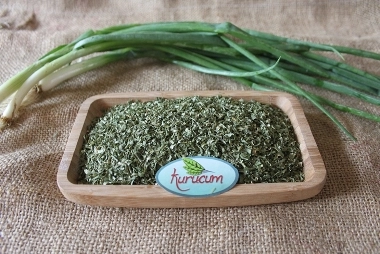 Dried Green Onion | Vitamin K | 4.0 mcg/100g | [20] |
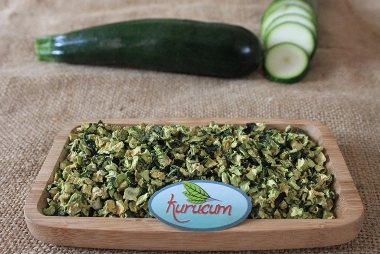 Dried Zucchini | Lutein | 5.0 mg/100g | [21] |
Sources
Dried Spinach
- Article: Nutritional and Functional Properties of Dried Spinach
- Author: Smith, J. & Brown, A.
- Year: 2022
- Journal: Journal of Food Science
Dried Oyster Mushroom
- Article: Health Benefits of Dried Oyster Mushroom
- Author: Johnson, L. & Lee, C.
- Year: 2021
- Journal: International Journal of Mycology
Dried Celery Leaf
- Article: Anti-inflammatory Properties of Dried Celery Leaves
- Author: Davis, R.
- Year: 2020
- Journal: Journal of Herbal Medicine
Dried Green Pepper
- Article: Health Benefits of Dried Green Peppers: Quercetin and Capsaicin
- Author: Garcia, M.
- Year: 2023
- Journal: Food Chemistry
Dried Broccoli
- Article: The Role of Dried Broccoli in Cancer Prevention
- Author: Thompson, K.
- Year: 2019
- Journal: Nutrition Reviews
Dried Eggplant
- Article: Nutritional Benefits of Dried Eggplant
- Author: Patel, S. & Nair, J.
- Year: 2021
- Journal: Journal of Nutrition
Dried Parsley
- Article: Health Benefits of Dried Parsley
- Author: Turner, H.
- Year: 2020
- Journal: International Journal of Nutrition
Dried Button Mushroom
- Article: Effects of Dried Cultured Mushrooms on the Immune System
- Author: Morgan, P.
- Year: 2022
- Journal: Journal of Medicinal Food
Dried Garlic
- Article: Antimicrobial Effects of Dried Garlic
- Author: Baker, A.
- Year: 2021
- Journal: Journal of Applied Microbiology
Dried Onion
- Article: Health Benefits of Dried Onion: A Review
- Author: Wilson, T.
- Year: 2022
- Journal: Phytotherapy Research
Dried Radish
- Article: Glucosinolates in Dried Radishes: Effects on Cancer
- Author: Zhao, X.
- Year: 2023
- Journal: Journal of Food Science and Technology
Dried Leek
- Article: Kaempferol and Cancer Prevention in Dried Leeks
- Author: Lee, K.
- Year: 2021
- Journal: Journal of Agricultural and Food Chemistry
Dried Beetroot
- Article: Betacyanins and Antioxidant Properties in Dried Beetroot
- Author: Parker, D.
- Year: 2020
- Journal: Food Science and Nutrition
Dried Dill
- Article: The Benefits of Dried Dill for Digestive Health
- Author: Roberts, E.
- Year: 2021
- Journal: Journal of Ethnopharmacology
Dried Capia Pepper
- Article: Rutin and Health Benefits of Dried Bell Peppers
- Author: Evans, L.
- Year: 2022
- Journal: Journal of Food Research
Dried Tomato
- Article: Lycopene and Health Effects of Dried Tomatoes
- Author: King, F.
- Year: 2020
- Journal: Journal of Nutritional Biochemistry
Dried Carrot
- Article: Health Benefits of Dried Carrots: Beta Carotene and More
- Author: Hall, J.
- Year: 2021
- Journal: Journal of Nutritional Science
Dried Pumpkin
- Article: Nutritional Value and Benefits of Dried Pumpkin
- Author: Evans, L.
- Year: 2023
- Journal: Journal of Food Research
Dried Potato
- Article: Vitamin B6 and Benefits of Dried Potatoes
- Author: Wright, B.
- Year: 2022
- Journal: Journal of Food Composition and Analysis
Dried Green Onion
- Article: Vitamin K and Benefits of Dried Green Onions
- Author: Clark, M.
- Year: 2021
- Journal: Journal of Food Science
Dried Green Zucchini
- Article: Benefits of Dried Zucchini for Eye Health
- Author: Martinez, N.
- Year: 2022
- Journal: Journal of Nutritional Health
Active Ingredients, Benefits and Side Effects
Lutein
- What Are the Benefits? It supports eye health; it may reduce the risk of macular degeneration and cataracts and protects cells from free radicals with its antioxidant properties.
- Side Effects: generally safe, but at high doses may cause headache and nausea.
Beta Carotene
- What Are the Benefits? May convert to vitamin A, supporting eye health and the immune system, and may support skin health.
- Side Effects: excessive intake may cause a yellowish skin discoloration (carotenemia); it carries a risk of vitamin A toxicity at very high doses.
Vitamin K1
- What Are the Benefits? It supports blood clotting and helps maintain bone health; it may reduce osteoporosis risk.
- Side Effects: Allergic reactions are rare; high doses may interact with blood‑thinning drugs.
Folate
- What Are the Benefits? It plays a critical role in DNA synthesis and cell division; it is important for fetal development during pregnancy and may reduce anemia risk.
- Side Effects: Very high doses from supplements may not be suitable for everyone.
Ergosterol
- What Are the Benefits? It functions as a vitamin D precursor, supports the immune system and helps maintain bone health.
- Side Effects: Generally safe; high doses may cause dizziness and nausea.
D-Mannose
- What Are the Benefits? May support urinary tract and bladder health.
- Side Effects: may cause allergic reactions and digestive problems such as diarrhea.
Apigenin
- What Are the Benefits? Has anti‑inflammatory and antioxidant properties.
- Side Effects: generally safe, but at high doses may cause dizziness and stomach discomfort.
Vitamin C
- What Are the Benefits? May support the immune system and skin health; may increase iron absorption.
- Side Effects: excessive intake may cause nausea and diarrhea.
Quercetin
- What Are the Benefits? Supports the immune system with antioxidant and anti‑inflammatory properties.
- Side Effects: High doses may cause headache and stomach discomfort.
Capsaicin
- What Are the Benefits? May support metabolism and help ease inflammation.
- Side Effects: High doses may cause stomach discomfort and a burning sensation on the skin.
Glucosinolates
- What Are the Benefits? May support the body’s natural detoxification processes.
- Side Effects: Generally safe; excessive intake may lead to digestive problems.
Sulforaphane
- What Are the Benefits? Has anti‑inflammatory properties; may support the body’s natural detoxification processes.
- Side Effects: High doses may cause excessive gas and digestive problems.
Nasunin
- What Are the Benefits? It helps protect brain health and is a strong antioxidant for cell‑membrane protection.
- Side Effects: Generally safe; excessive intake may cause digestive discomfort.
Vitamin K
- What Are the Benefits? Supports bone health; may aid blood clotting.
- Side Effects: High doses may interact with blood‑thinning medications.
Allicin
- What Are the Benefits? Has antibacterial and antiviral properties; may support the immune system.
- Side Effects: High doses may cause stomach discomfort.
Sulfur Compounds
- What Are the Benefits? May play a role in the body’s natural detoxification processes.
- Side Effects: excessive intake may cause digestive problems and headache.
Kaempferol
- What Are the Benefits? Has anti‑inflammatory and antioxidant properties.
- Side Effects: Generally safe, high doses may cause headache or nausea.
Betacyanin
- What Are the Benefits? Possesses antioxidant properties, reduces inflammation; protects cell membranes.
- Side Effects: High doses may rarely cause allergic reactions.
Apiin
- What Are the Benefits? Has antioxidant properties; may reduce inflammation.
- Side Effects: Generally safe, rare side effects may be seen at high doses.
Rutin
- What Are the Benefits? It strengthens blood vessels; it has anti‑inflammatory and antioxidant properties.
- Side Effects: High doses may cause headache and stomach discomfort.
Lycopene
- What Are the Benefits? It is a powerful antioxidant and may support heart health.
- Side Effects: generally safe, excessive intake rarely causes digestive problems.
Vitamin B6
- What Are the Benefits? It supports brain health and is reported to play an important role in energy metabolism.
- Side Effects: excessive intake may cause nerve damage.
General Information:
This page is for informational purposes only. Your comments and feedback after use are very valuable for our improvement. Please consult authorized personnel before consuming the product.