Dried Eggplant
What Is Dried Eggplant?
We can answer the question of what dried eggplant is as follows:
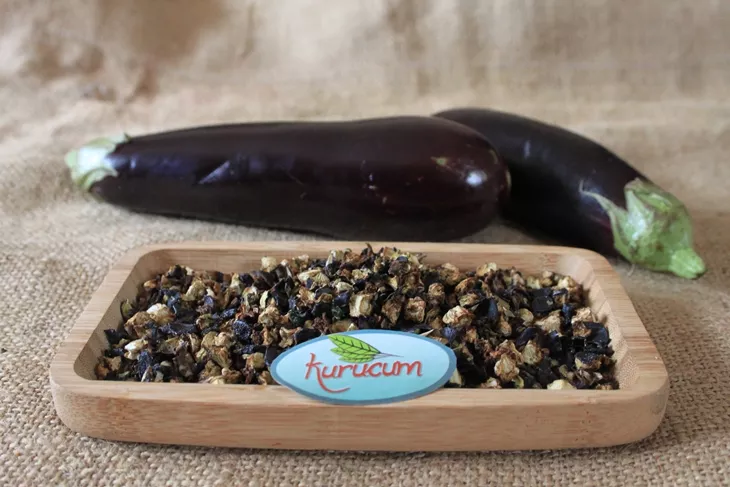
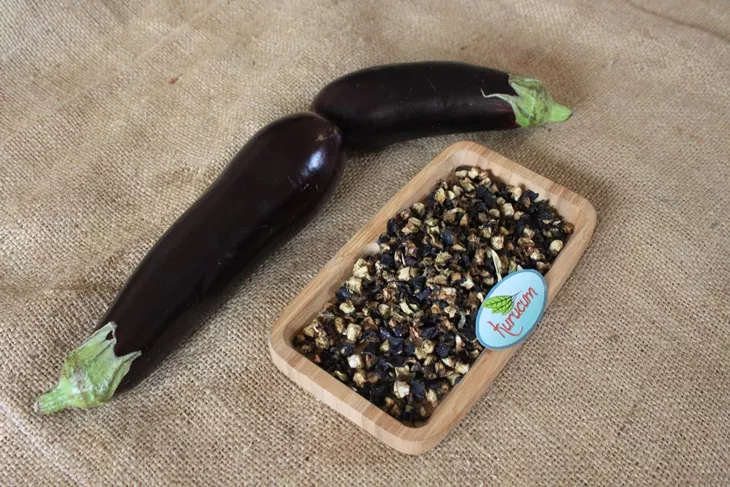
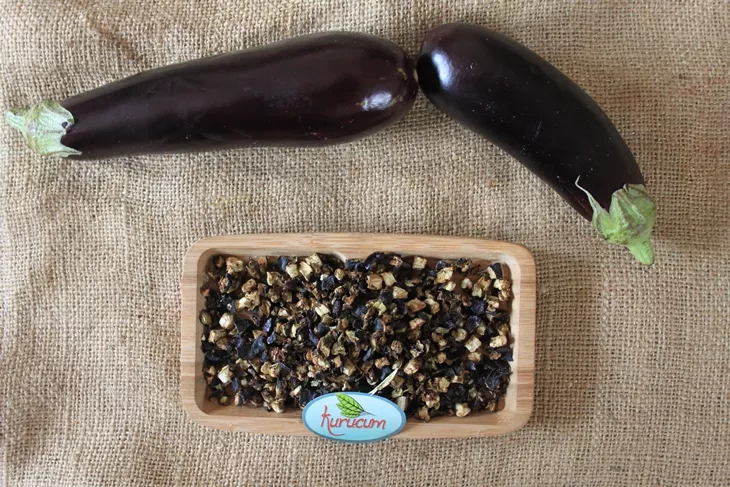
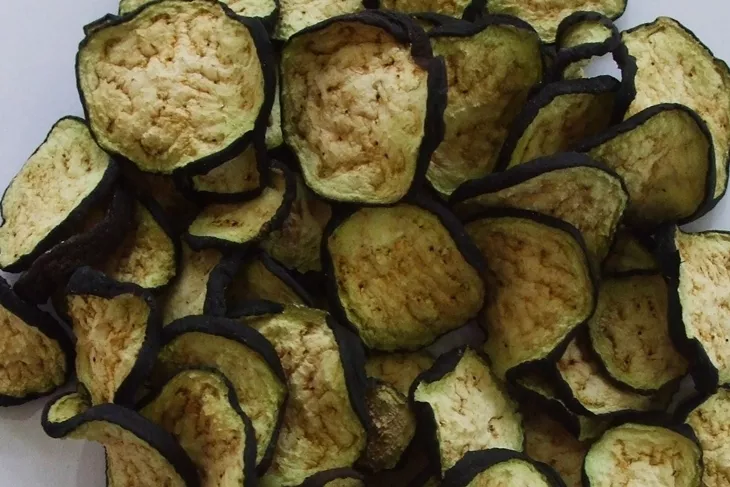
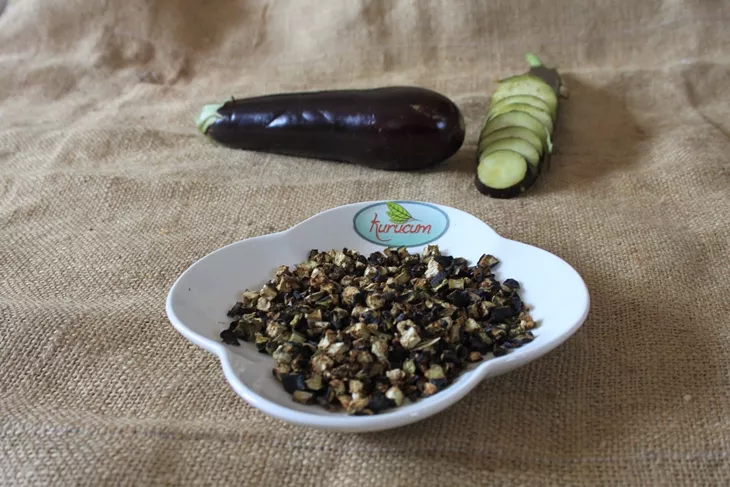
It is a product obtained by drying fresh eggplants, which has concentrated nutritional values and a long shelf life. The water in the fresh eggplant is evaporated, leaving the essence of the product. The resulting concentrated product, with reduced water activity and bacterial growth potential, is called dried eggplant.What changes when fresh eggplant is dried? Let's look at the ratios…
- Before the drying process, fresh eggplant contains approximately 92% water.
- This water ratio is an environment suitable for rapid bacterial growth and is a moisture level at which the product cannot last for a long time.
- As a result of drying, the water in the fresh eggplant is removed and the essence of the eggplant remains.
- With the drying process, approximately 1 kg of dried eggplant is obtained from 12-13 kg of fresh eggplant.
- Nutritional values (carbohydrates, protein, minerals, fiber ratio) increase.
Dried Eggplant Varieties
- Dried Eggplant Powder0-1 mm
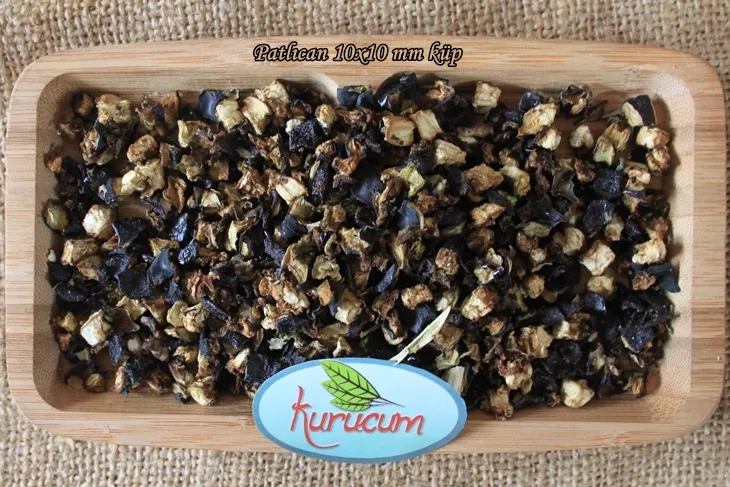
- Dried Eggplant 10x10 mm (Diced)
- Dried Eggplant Slices
Where Is Dried Eggplant Used?
What Is Its Function in Industrial Production?
Where Can It Be Used in Food Production:
- Ready-Meal Production: Dried eggplant can be used especially in ready meals. It is used in pasta, rice, and meat dish mixes to obtain practical and nutritious meals.
- Soup and Sauce Production: Dried eggplant can be used in soups and sauces. It can be added to soups or sauces to provide natural flavor and nutritional value.
- Vegetable Mixes: Dried eggplant can be included in various vegetable mixes. It can be used in pasta and rice mixes, vegetable soups, and frozen meals.
- Snacks: Dried eggplant can be used in the production of functional snacks. It can be offered as crispy eggplant slices or mixed with other vegetables.
- Biscuit and Cracker Production: Dried eggplant can be used in the production of snacks and biscuits. It can be blended with different spices and other ingredients to create new flavors.
Functional Foods:
- Vitamin and Mineral Supplements: Eggplant can be used in functional foods due to its high fiber content and vitamins. It is particularly known for its effect on regulating the digestive system.
- Digestive Health: As it is rich in fiber, dried eggplant can be found in products that support digestive health. It regulates bowel movements.
- Cancer-Preventive Products: Eggplant contains components that help prevent the development of cancer cells in the body. Therefore, it can be found in pre-cancer nutritional supplements.
- Immune System Booster: Eggplant has properties that strengthen the immune system. It can be used in supplements that support the immune system with the vitamin C it contains.
Home Uses:
Snacking:
- Dried Vegetable Snacks: Dried eggplant can be used to make functional snacks at home. It can be baked to become crispy vegetable slices.
- Vegetable Chips: Dried eggplant slices can be consumed as vegetable chips. By baking them with little or no oil, a delicious and low-calorie snack can be made.
Soups and Meals:
- Homemade Soups: Dried eggplant can be used in homemade soups. Rehydrated with hot water, eggplant can add flavor to soups.
- Meals and Rice Dishes: Eggplant is an excellent ingredient for olive oil dishes, rice dishes, and vegetable meals. It provides rich flavor and nutritional value to various dishes.
- Meatballs and Stuffing Mixes: Dried eggplant can be used in meatballs and stuffing mixes to increase the nutritional value of these dishes.
Homemade Supplements:
- Supplement with Eggplant Powder: Dried eggplant can be ground into powder to make natural homemade supplements. One teaspoon of eggplant powder per day may provide the body with essential vitamins and minerals.
How to Store Dried Eggplant?
Dried eggplant has a shelf life of at least 1 year when stored under proper conditions. There are 3 main factors that reduce this period:
- Humidity
- Sunlight
- High temperature
To prevent a shortened shelf life, it should be kept in its own packaging in a cool, dry environment away from sunlight.
Where Is Dried Eggplant Used?
Some usage areas for dried eggplant:
Used in bulgur and rice mixes,
Used in instant soups and foods,
Dried Eggplant Nutritional Values
| Nutritional Values | Fresh Eggplant (100 g) | Dried Eggplant (100 g) | % Change |
|---|---|---|---|
| Calories | 25 kcal | 249 kcal | +896% |
| Carbohydrates | 5.88 g | 64.01 g | +994% |
| - Sugar | 3.53 g | 6.25 g | +77% |
| - Fiber | 3 g | 36 g | +1100% |
| Protein | 0.98 g | 9.13 g | +830% |
| Fat | 0.18 g | 0.96 g | +433% |
| Vitamin C | 2.2 mg | 1.6 mg | -27% |
| Calcium | 9 mg | 32 mg | +256% |
| Iron | 0.23 mg | 3.85 mg | +1565% |
| Potassium | 229 mg | 1010 mg | +341% |
| Magnesium | 14 mg | 90 mg | +543% |
Sources
- Efe, S., & Yılmaz, C. (2022). Analysis of Eggplant Nutritional Composition. Journal of Food Science and Technology.
- USDA FoodData Central. (2023).
- Alavi, S., et al. (2021). Nutritional Evaluation of Dried Eggplant: An Important Source of Nutrients. Nutrition and Health.
Usage Areas of Our Dried Products
General Information:
Your comments and feedback after using dried eggplant are very valuable to us for improving ourselves. Please consult the relevant professionals before consuming the product. Information on our website, such as nutritional values, benefits, possible risks, intended uses or side effects, was compiled from scientific sources while the site was being developed. Positive or negative comments, benefits and risks mentioned in the examples about the product may vary from person to person. Technical information such as photos, approximate waste rates, how to use it, how to consume it, intended uses, how it is made and how it is produced is provided to introduce the varieties and general characteristics of dried eggplant. The dried eggplant you purchase may differ because of factors such as the raw material variety, the drying technique, the raw material producer or the supply region. Wholesale quantities, prices, package weights, points of sale and areas of use may vary.