Dried Parsley
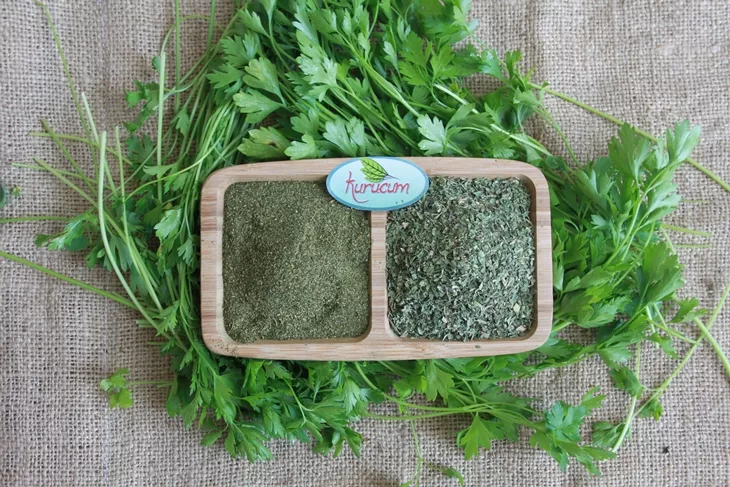
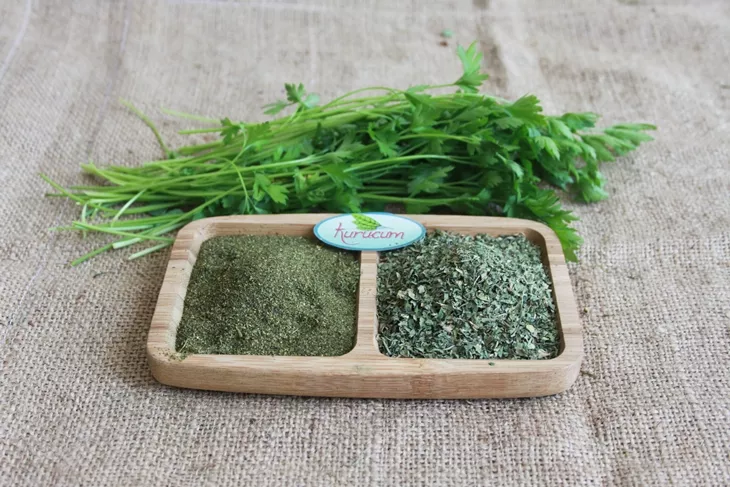
Price Comparison of Fresh Parsley and Dried Parsley per kg
How Much Waste: About 6.5 kg of fresh product is used to obtain 1 kg of dried parsley. (The ratio may vary with the type of fresh product, drying method, moisture level and production parameters.)
Dried product price per kg:
Advantages of Using Dried Parsley
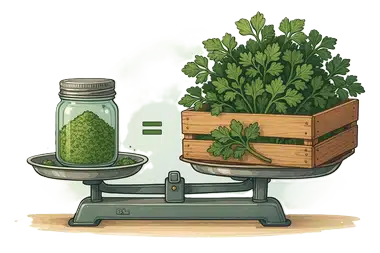
Using 6-7 kg of fresh parsley, approximately 1 kg of dried parsley is obtained, which can fit into a small jar.
Due to volume reduction, the space required for storage is significantly reduced. Parsley powder is reduced to approximately 1/6.5 of its volume when compared to fresh parsley.
Due to the reduction in volume and weight, it has become an easy-to-transport product. A truckload of fresh parsley can fit into approximately 2-3 pallets when turned into powder.
It does not need to be stored in cold storage conditions. Keeping it in a cool, dry, and dark place is sufficient for dried parsley storage conditions.
The growth rate of bacteria is proportional to the water content in dried parsley. During the drying process, the water content of fresh parsley drops from 85% to 10%, which lowers the water activity and limits bacterial growth in the dried parsley. Limiting bacterial growth ensures a much longer shelf life.
As Kurucum Food, in partnership with our company Eksis Industrial Drying Systems, which is a manufacturer of drying technologies, we continue to develop technologies related to dried parsley production. Our projects related to dried parsley:
Parsley juice powder production.
What Is Dried Parsley?
We can answer the question of what dried parsley is as follows:
It is a product obtained by drying fresh parsley, which has concentrated nutritional values and a long shelf life. The water in fresh parsley is evaporated, leaving the essence of the product. The resulting concentrated product, with reduced water activity and bacterial growth potential, is called dried parsley.What changes when fresh parsley is dried? Let's look at the ratios...
- Before the drying process, fresh parsley contains approximately 83-88% water.
- This water content is a suitable environment for rapid bacterial growth and is a moisture level at which the product cannot last for a long time.
- As a result of drying, the water in fresh parsley is removed, and the essence of the parsley remains.
- With the removal of water from the product, approximately 6-7 kg of fresh parsley yields 1 kg of dried parsley.
- As a result, the shelf life is extended, and the nutritional values (protein, carbohydrates, minerals, fiber ratio) in the dried product increase due to the removal of the essence water.
Dried Parsley Varieties
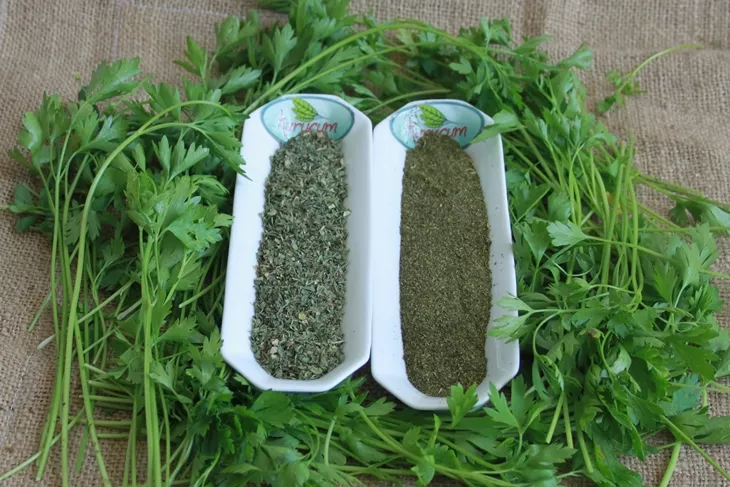
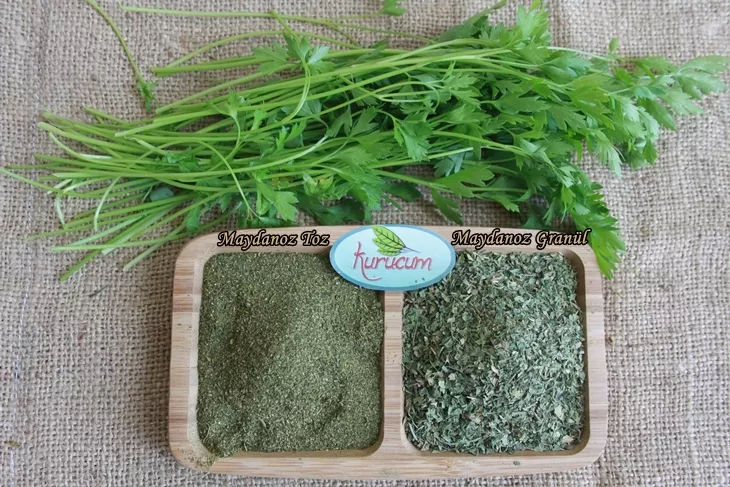
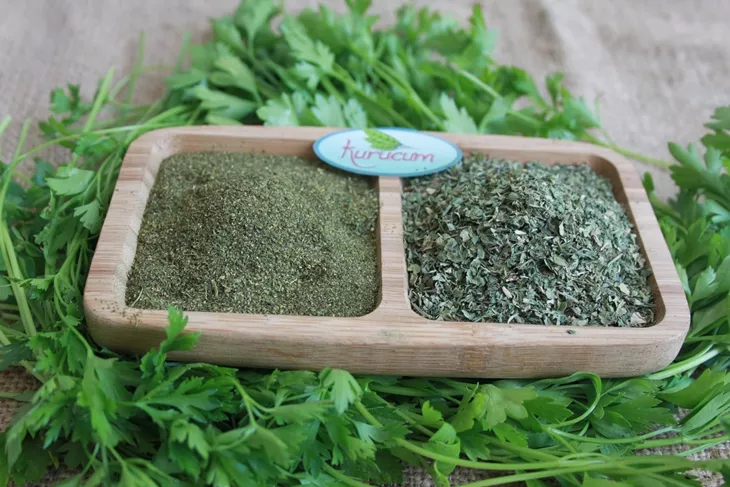
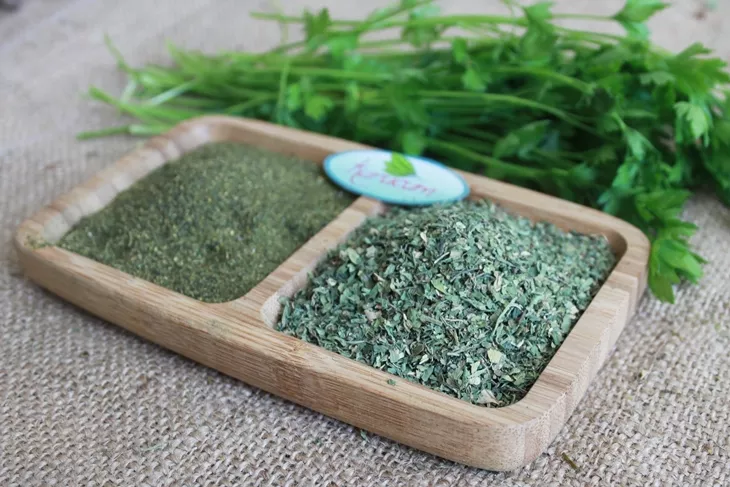
- Dried Parsley Powder0-1 mm
- Dried Parsley Granules1-5 mm
How to Store Dried Parsley?
Dried parsley has a shelf life of at least 1 year when stored under suitable conditions. There are 3 main factors that reduce this period:
- Humidity
- Sunlight
- High temperature
To prevent the shelf life from shortening, it should be kept in its own packaging in a cool, dry environment away from sunlight.
Where Is Dried Parsley Used?
What Is Its Use in Industrial Production?
Where Can It Be Used in Food Production:
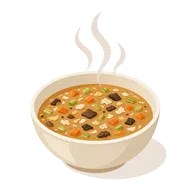
- Ready Meals: Provides aroma and visual appeal in soups, sauces, pasta sauces, and meal mixes.
- Spices and Blends: Frequently used in ready-made spice blends.
- Snacks: Found as a flavor enhancer in seasoned crackers, chips, and bakery products.
- Frozen Foods: Used to add flavor and appearance to frozen vegetable mixes.
- Sauces and Marinades: Preferred in marinade mixes, especially for meat and poultry products.
Restaurant and Catering Products:
- Garnish and Presentation: Used in professional kitchens to enhance the visual appeal and flavor of dishes.
- Salads and Soups: Saves time in preparing quick and easy meals.
Ready-made Mixes:
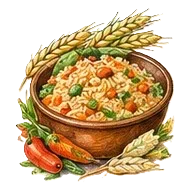
- Pasta and Rice Mixes: In special recipes, dried parsley provides both flavor and color.
- Soup Powders: Used as a natural flavor and aroma component.
Home Use and Applications:
Home Cooking:
- Soups and Meals: Can be used in soups and meals as an alternative to fresh parsley.
- Salads and Sauces: Added to salads and sauces in a practical way.
- Rice and Pasta: Provides color and aroma in rice and pasta dishes.
Homemade Mixes:
- Spice Blends: Can be used as a flavor enhancer in homemade spice blends.
- Pickles and Preserves: A natural flavoring agent in pickle brine and canning recipes.
Snacks:
- Dry Mixes: Can be found in savory snacks and seasoned blends.
Comparison Table of Nutritional Values for Fresh and Dried Parsley (100 grams)
| Nutrient | Fresh Parsley | Dried Parsley | % Change |
|---|---|---|---|
| Calories | 36 kcal | 292 kcal | +711% |
| Protein | 2.97 g | 26.6 g | +796% |
| Fiber | 3.3 g | 33.2 g | +906% |
| Carbohydrates | 6.33 g | 50.6 g | +699% |
| Sugar | 0.85 g | 7.4 g | +770% |
| Fat | 0.79 g | 5.5 g | +596% |
| Calcium | 138 mg | 1140 mg | +726% |
| Iron | 6.2 mg | 42.0 mg | +577% |
| Potassium | 554 mg | 4120 mg | +644% |
| Vitamin A | 8424 IU | 30290 IU | +259% |
| Vitamin C | 133 mg | 125 mg | -6% |
| Vitamin K | 1640 mcg | 13500 mcg | +722% |
References
- USDA National Nutrient Database
- Self Nutrition Data
- FoodData Central
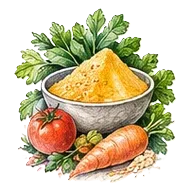
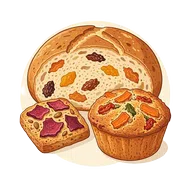
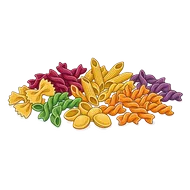
Usage Areas of Our Dried Products
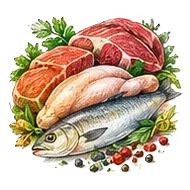
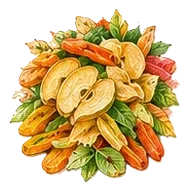
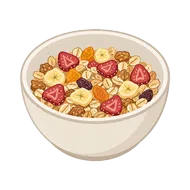

General Information:
Your comments and feedback after using dried parsley are very valuable to us for improving ourselves. Please consult the relevant professionals before consuming the product. Information on our website, such as nutritional values, benefits, possible risks, intended uses or side effects, was compiled from scientific sources while the site was being developed. Positive or negative comments, benefits and risks mentioned in the examples about the product may vary from person to person. Technical information such as photos, approximate waste rates, how to use it, how to consume it, intended uses, how it is made and how it is produced is provided to introduce the varieties and general characteristics of dried parsley. The dried parsley you purchase may differ because of factors such as the raw material variety, the drying technique, the raw material producer or the supply region. Wholesale quantities, prices, package weights, points of sale and areas of use may vary.