Dried Grape
What Is Dried Grape?
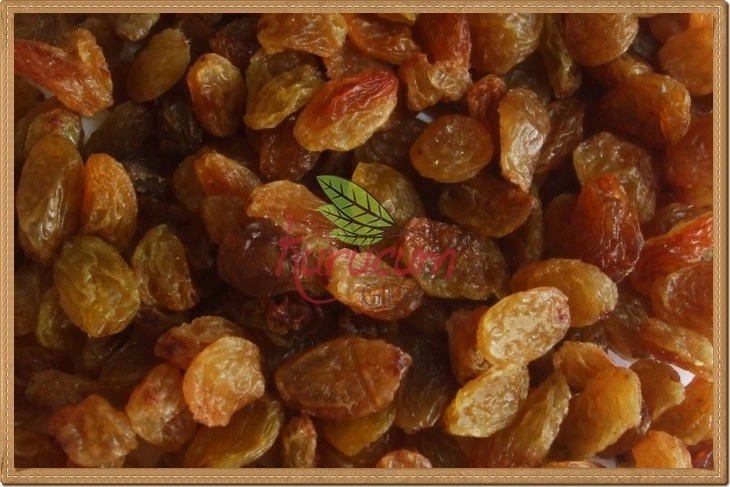
Dried grape is the dried form of fresh grapes. Grapes have a water content of approximately 75-80%. By removing the water, about 1 kg of dried grape is obtained from 4-5 kg of grapes. Drying removes the water and leaves the essence of the product. Therefore, the nutritional values of dried grape, especially mineral, protein, and carbohydrate ratios, are highly concentrated in the dried product.
Our dried grape varieties that we manufacture are:
Dried grape number 7
Dried grape number 8
Dried grape number 9
Dried grape number 10
How to Store Dried Grape?
Dried grape has a shelf life of at least 1 year when stored under suitable conditions. There are 3 main factors that reduce this period:
- Humidity
- Sunlight
- High temperature
To prevent the shelf life from shortening, it should be kept in its own packaging in a cool, dry environment away from sunlight.
Where Can Dried Grape Be Used?
What Is Its Function in Industrial Production?
Food Manufacturers
Pastry and Bakery:
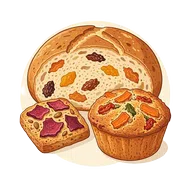
- Where to Use: It is used as a sweetener and garnish in products such as cakes, cookies, bread, and buns.
- What Is Its Function: Its natural sugar content adds an intense flavor to sweet recipes.
- Usage Benefit: It provides a natural and rich aroma to recipes while reducing sugar usage.
Ready-to-Eat Breakfast and Snacks:
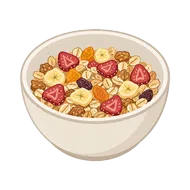
- Where to Use: It is found as an ingredient in granola, muesli, and energy bars.
- What Is Its Function? Dried grape is rich in energy-giving carbohydrates and fiber.
- Usage Benefit: It maintains its freshness for a long time and is easy to store.
Beverages and Fermented Products
- What Is Its Function: Grapes support fermentation processes with their natural sugar content.
- Usage Benefit: Provides natural flavor and aroma while reducing costs.
Sweetening Products
- Where to Use: Preferred as a natural sweetener in sauces, syrups, and salad dressings.
- What It Does: Offers a natural alternative to artificial sweeteners.
- Usage Benefit: Adds a mild sweetness and aroma to dishes.
Confectionery and Chocolate Manufacturers
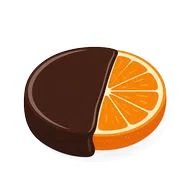
- Where to Use: Used as a filling or decorative ingredient in chocolates and confectionery.
- What It Does: Its sweet flavor and texture enhance product appeal.
- Usage Benefit: Offers a natural alternative to artificial ingredients.
Functional Food Products
- Where to Use: Found in functional products due to its vitamin and mineral content that supports the immune system.
- What It Does: Rich in Iron, Potassium, and antioxidants.
- Usage Benefit: Provides an energy-boosting and immune-supporting ingredient.
Home Uses and Applications
Homemade Recipes
Dessert and Cake Recipes:
- Where to Use: Adds natural sweetness to homemade cakes, cookies, and desserts.
- What It Does: Dried grape adds a rich texture to recipes with its slightly chewy structure.
- Usage Benefit: Reduces the need to add extra sugar.
Rice and Main Dishes:
- Where to Use: Used as a flavor enhancer, especially in stuffed dishes, rice, and vegetable meals.
- What It Does: Provides a sweet and slightly acidic contrast to savory dishes.
- Usage Benefit: Creates traditional flavors in a practical way.
Snack Usage
- Where to Use: Consumed as a standalone snack or added to yogurt and oat mixtures.
- What It Does: Its high energy content is ideal for athletes and busy professionals.
- Usage Benefit: Easy to carry and can be consumed at any time.
Beverage Mixes
- Uses: Used as a sweetener in compotes, sherbets, and hot beverage mixes.
- Benefits: Dried grape adds natural sweetness and nutritional value to beverages.
- Advantage: A natural, additive-free, and cost-effective alternative.
Child Nutrition
- Uses: Added to school bags as a snack for breaks.
- Benefits: A source of natural sugar and energy.
- Advantage: Meets children's sugar needs directly from plant-based sources.
Yellow Grape Nutrition Facts Table
| Component | Fresh Yellow Grape (100 g) | Dried Yellow Grape (100 g) | % Change |
|---|---|---|---|
| Calories | 69 kcal | 299 kcal | +334% |
| Carbohydrates | 18.1 g | 79 g | +336% |
| Fiber | 0.9 g | 4 g | +344% |
| Sugar | 15.5 g | 59 g | +281% |
| Protein | 0.6 g | 3.1 g | +417% |
| Fat | 0.2 g | 0.5 g | +150% |
| Calcium | 18 mg | 50 mg | +178% |
| Iron | 0.2 mg | 0.5 mg | +150% |
| Potassium | 191 mg | 750 mg | +292% |
| Sodium | 1 mg | 3 mg | +200% |
| Vitamin C | 10.8 mg | 0.2 mg | -98% |
Sources
- USDA, 2020. FoodData Central.
- Ranjan et al., 2021. "Nutritional Composition of Selected Fruits", Journal of Food Science.
- Kahn et al., 2022. "Nutritional Profile of Common Fruits", Nutrition Reviews.
- Lim et al., 2021. "Sugar Content in Fruits: A Comparative Study", Journal of Agricultural Science.
- Nasir et al., 2022. "Fat Content in Fruits: A Nutritional Analysis", Food Chemistry.
- Kumar et al., 2021. "Mineral Composition of Fruits", Journal of Food Composition and Analysis.
- Sahu et al., 2021. "Potassium Levels in Various Fruits", International Journal of Food Sciences.
- Al-Jabri et al., 2022. "Sodium Content in Fruits: Implications for Health", Nutrition Research.
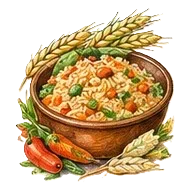
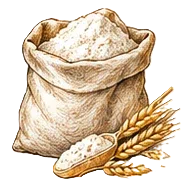
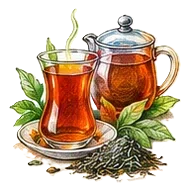
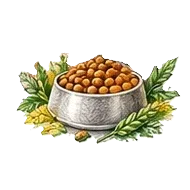
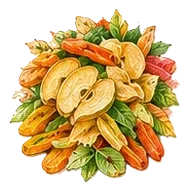
Usage Areas of Our Dried Products
General Information:
Your comments and feedback after using dried grape are very valuable to us for improving ourselves. Please consult the relevant professionals before consuming the product. Information on our website, such as nutritional values, benefits, possible risks, intended uses or side effects, was compiled from scientific sources while the site was being developed. Positive or negative comments, benefits and risks mentioned in the examples about the product may vary from person to person. Technical information such as photos, approximate waste rates, how to use it, how to consume it, intended uses, how it is made and how it is produced is provided to introduce the varieties and general characteristics of dried grape. The dried grape you purchase may differ because of factors such as the raw material variety, the drying technique, the raw material producer or the supply region. Wholesale quantities, prices, package weights, points of sale and areas of use may vary.