Dried Kiwi
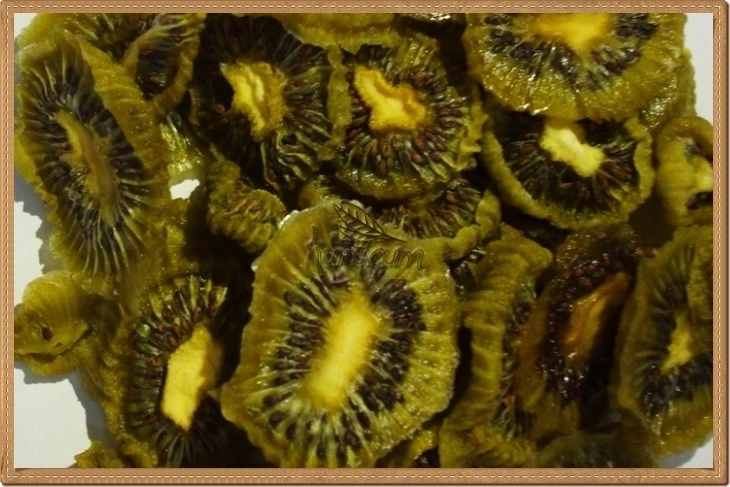
What is dried kiwi, how is it produced, and what are the production varieties?
Dried kiwi is the dried form of fresh kiwi processed using special systems. Kiwi contains approximately 83% water. Therefore, approximately 6-7 kg of kiwi yields 1 kg of dried kiwi. During drying, water evaporates from the fresh product, leaving the essence. As a result, the nutritional values of dried kiwi, especially protein, carbohydrate, and mineral ratios, have increased significantly. You can find the different varieties of dried kiwi in our sales below;
Dried kiwi ring cut
Uses of Dried Kiwi
Some uses of dried kiwi are listed below,
It can be used in desserts, puddings, and chocolate,
It can be consumed as a snack,
It can be used as a snack for people on a diet,
Dried Kiwi Nutritional Value Analysis
| Nutrient | Fresh Kiwi (100 g) | Dried Kiwi (100 g) | % Change |
|---|---|---|---|
| Calories | 61 kcal | 325 kcal | +432% |
| Carbohydrates | 15 g | 80 g | +433% |
| Protein | 1 g | 3 g | +200% |
| Total Fat | 0.5 g | 1 g | +100% |
| Fiber | 3 g | 8 g | +167% |
| Vitamin C | 93 mg | 129 mg | +38.7% |
| Potassium | 312 mg | 900 mg | +188% |
| Calcium | 18 mg | 60 mg | +233% |
| Iron | 0.3 mg | 1.5 mg | +400% |
| Magnesium | 17 mg | 25 mg | +47% |
References
- USDA FoodData Central. "Kiwi, raw."
- USDA FoodData Central. "Kiwi, dried."
- "Nutritional Composition of Dried Kiwi." Journal of Food Composition and Analysis.
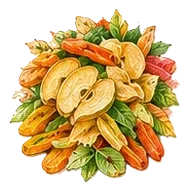
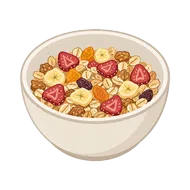
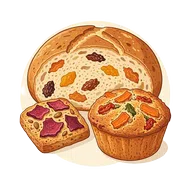
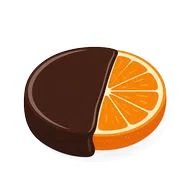
Usage Areas of Our Dried Products
General Information:
Your comments and feedback after using dried kiwi are very valuable to us for improving ourselves. Please consult the relevant professionals before consuming the product. Information on our website, such as nutritional values, benefits, possible risks, intended uses or side effects, was compiled from scientific sources while the site was being developed. Positive or negative comments, benefits and risks mentioned in the examples about the product may vary from person to person. Technical information such as photos, approximate waste rates, how to use it, how to consume it, intended uses, how it is made and how it is produced is provided to introduce the varieties and general characteristics of dried kiwi. The dried kiwi you purchase may differ because of factors such as the raw material variety, the drying technique, the raw material producer or the supply region. Wholesale quantities, prices, package weights, points of sale and areas of use may vary.