Dried Lemon Peel
What Is Dried Lemon Peel?
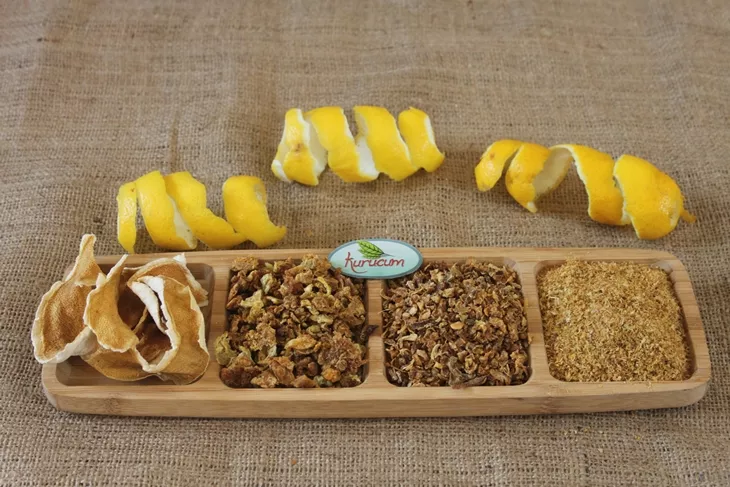
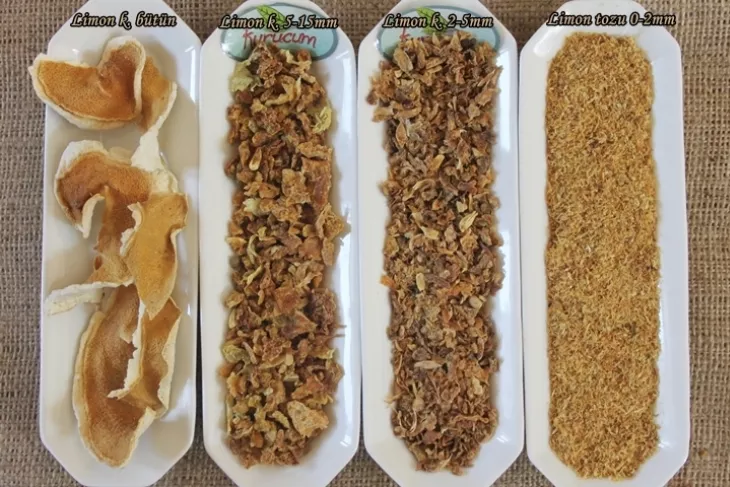
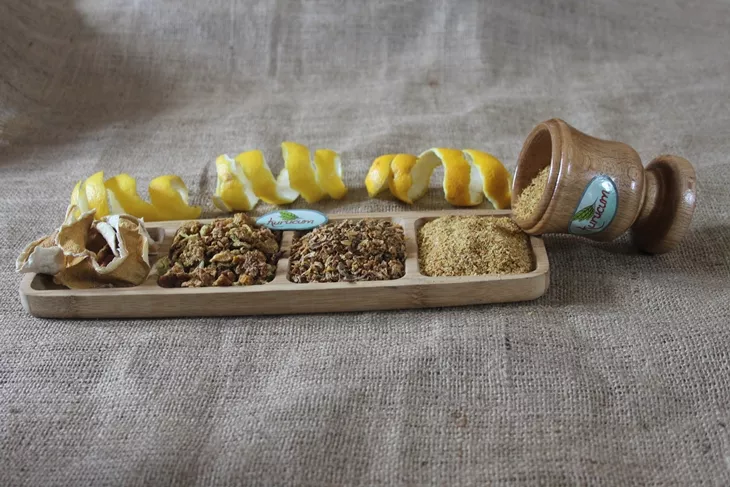
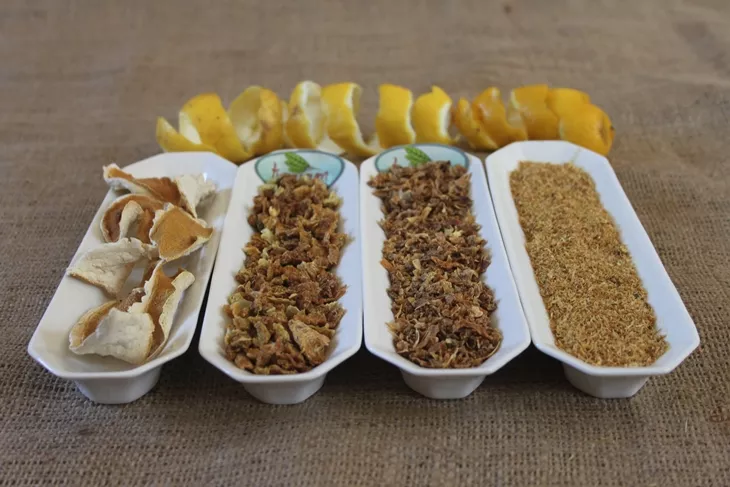
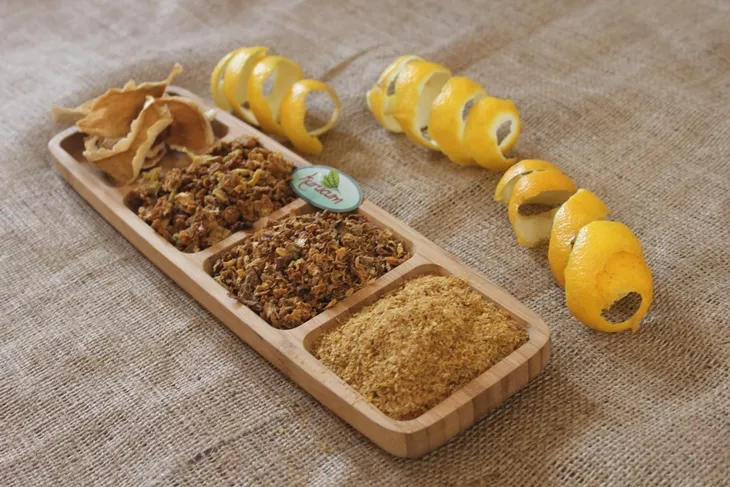
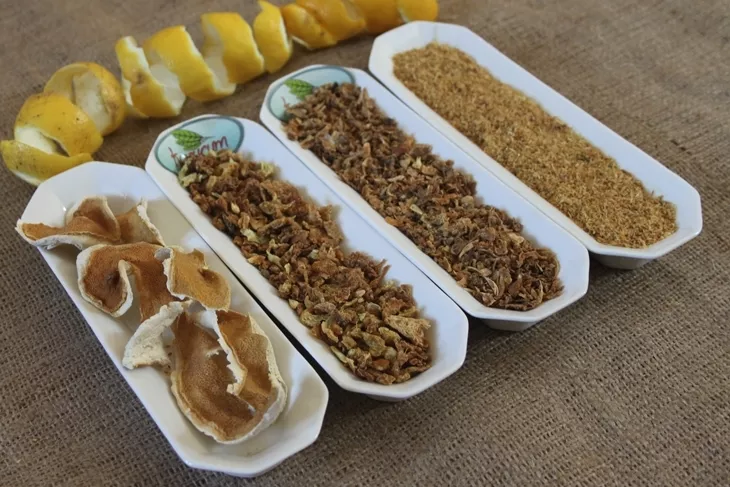
Dried lemon peel is the pulp and dried peel obtained by drying lemon pulp from lemon juice factories in special ovens. We offer the following product varieties:
Dried lemon peel + lemon fiber 0-2 mm
Dried lemon peel medium granules 2-5 mm
Dried lemon peel coarse granules 5-15 mm
How to Store Dried Lemon Peel?
Dried lemon peel has a shelf life of at least 1 year when stored under suitable conditions. There are 3 main factors that reduce this period:
- Humidity
- Sunlight
- High temperature
To prevent a shorter shelf life, it should be kept in its own packaging in a cool, dry environment away from sunlight.
Where Is Dried Lemon Peel Used?
What Is Its Function in Industrial Production?
Where Can It Be Used in Food Production:
- Fruit Drinks and Teas: Lemon peel powder is used as a source of flavor and aroma in fruit teas and beverages. It can be added to iced teas, detox drinks, and fruit juices to add flavor.
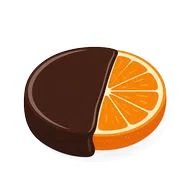
- Desserts and Confectionery: Lemon peel powder is used as a flavoring in chocolates, jellies, Turkish delight, jams, and candies. It creates a refreshing effect in desserts with its lemon aroma.
- Biscuits and Cakes: Lemon peel powder gives biscuits, cakes, and cookies a natural lemon taste. It also enriches flavors and adds a refreshing aroma.
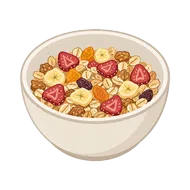
- Muesli and Breakfast Products: Lemon peel powder is used as a flavoring agent in muesli, oatmeal, and other breakfast products.
Functional and Dietary Supplement Products:
- Functional Foods: Due to its high vitamin C content, lemon peel powder can be used in food supplements that support the immune system.
- Antioxidant Supplements: Lemon peel contains high levels of antioxidants and is therefore preferred in functional ingredients and supplements that strengthen skin health and the immune system.
Cosmetics and Skin Care:
- Skin Care Products: Lemon peel powder is used in skin care products to help refresh the skin. It can also be used as a natural toner to cleanse impurities and smooth the skin.
- Skin Cleansing and Peeling: Lemon peel powder can be added to skin care products as a natural exfoliating agent. It helps remove dead skin cells and makes the skin look more vibrant.
- Fragrance and Coloring: Lemon peel powder is used as a natural fragrance. It can add a natural aroma and refreshing scent to skin care products.
Home Use and Applications:
Snacks and Diet Products:
- How to Use in Snacks: Lemon peel powder can be used as a natural flavoring in snacks with functional benefits. It can be added to diet products as a sweetener instead of sugar.
- For Children: It can be used as a natural sweetener in functional snacks for children. Lemon peel powder offers a more functional alternative to sweets.
Homemade Teas and Beverages:
- Homemade Teas: Lemon peel powder can be used as a natural source of aroma and flavor in hot and cold teas. It is also an ideal ingredient for lemon teas, detox teas, and lemon-flavored drinks.
- Smoothies and Fruit Cocktails: Lemon peel powder can be used to add a natural flavor to smoothies and fruit cocktails. It can be added to fruit blends as a sweetener.
- Detox Drinks: Lemon peel powder can be used in detox drinks for its digestive support and body-cleansing properties.
Desserts and Baking:
- Homemade Desserts: Lemon peel powder can be used in homemade desserts, cakes, cookies, and pastries. It adds a fresh lemon aroma to these products.
- Ice Cream and Sorbet: In homemade ice creams and sorbets, lemon peel powder adds a natural lemon flavor and enriches the taste.
Skincare and Natural Products:
- Homemade Face Masks: Lemon peel powder can be used in natural homemade face masks. It refreshes and cleanses the skin, enhancing its natural glow.
- Skin Peeling: Lemon peel powder can be used in natural scrubs and skin-cleansing mixtures. This helps remove dead skin cells and provides a fresh appearance.
- Skin Health: In skincare products, lemon peel powder helps even out skin tone and may be beneficial for skin issues such as acne and blackheads.
Dried Lemon Peel Nutritional Analysis Fresh vs. Dried % Change Table
| Nutrient | Fresh Lemon Peel (100 g) | Dried Lemon Peel (100 g) | % Change |
|---|---|---|---|
| Calories | 50 kcal | 300 kcal | +500% |
| Carbohydrates | 12.3 g | 85.0 g | +590% |
| Fiber | 10.6 g | 38.0 g | +258% |
| Sugar | 2.0 g | 14.0 g | +600% |
| Protein | 1.2 g | 4.0 g | +233% |
| Fat | 0.1 g | 0.5 g | +400% |
| Calcium | 50 mg | 200 mg | +300% |
| Iron | 0.6 mg | 2.5 mg | +317% |
| Potassium | 330 mg | 1500 mg | +355% |
| Sodium | 2 mg | 20 mg | +900% |
| Vitamin C | 30 mg | 8 mg | -73% |
| Glycemic Index | Low | Medium | findings regarding potential increases are taken from the source article. |
References:
- Baker et al., 2023. "Nutritional Profile and Health Benefits of Lemon Peel." Journal of Nutrition and Food Sciences, 74(2), 143-150. DOI: 10.1002/jnfs.2023.143.
- Singh & Kumar, 2022. "The Phytochemical Composition of Citrus Peels: Health Benefits and Applications." Food Chemistry, 376, 126100. DOI: 10.1016/j.foodchem.2022.126100.
- Huang et al., 2021. "Citrus Peels: An Underutilized Resource for Nutrition and Health." Nutritional Biochemistry, 92, 108590. DOI: 10.1016/j.nutbio.2021.108590.
Usage Areas of Our Dried Products



General Information:
Your comments and feedback after using dried lemon peel are very valuable to us for improving ourselves. Please consult the relevant professionals before consuming the product. Information on our website, such as nutritional values, benefits, possible risks, intended uses or side effects, was compiled from scientific sources while the site was being developed. Positive or negative comments, benefits and risks mentioned in the examples about the product may vary from person to person. Technical information such as photos, approximate waste rates, how to use it, how to consume it, intended uses, how it is made and how it is produced is provided to introduce the varieties and general characteristics of dried lemon peel. The dried lemon peel you purchase may differ because of factors such as the raw material variety, the drying technique, the raw material producer or the supply region. Wholesale quantities, prices, package weights, points of sale and areas of use may vary.