Dried Ring Cut Orange
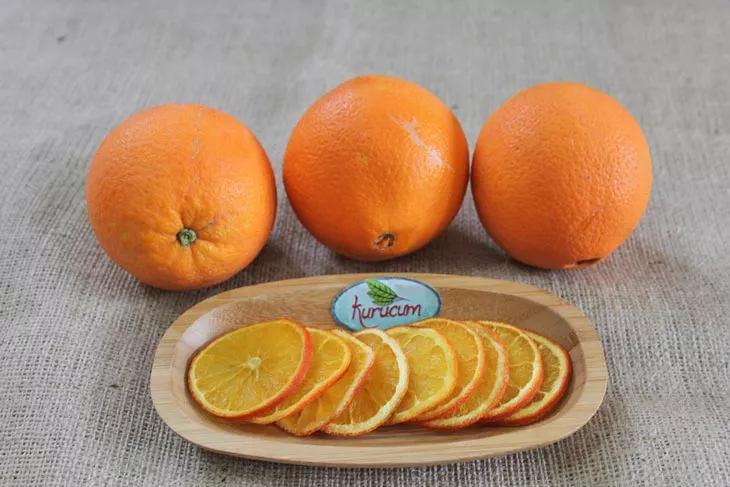
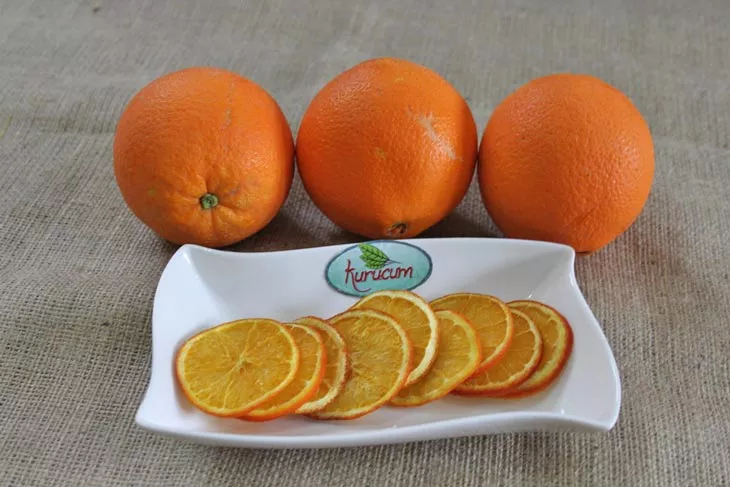
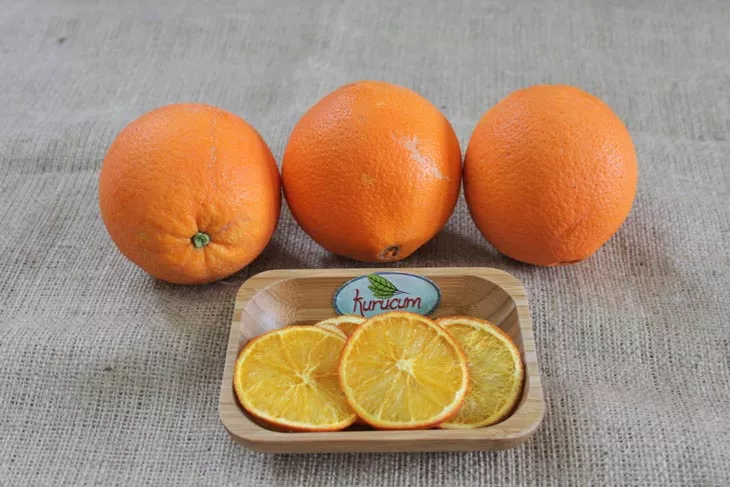
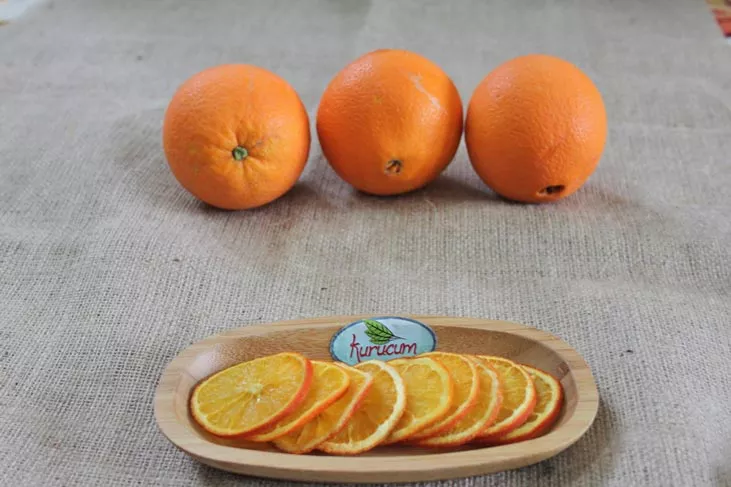
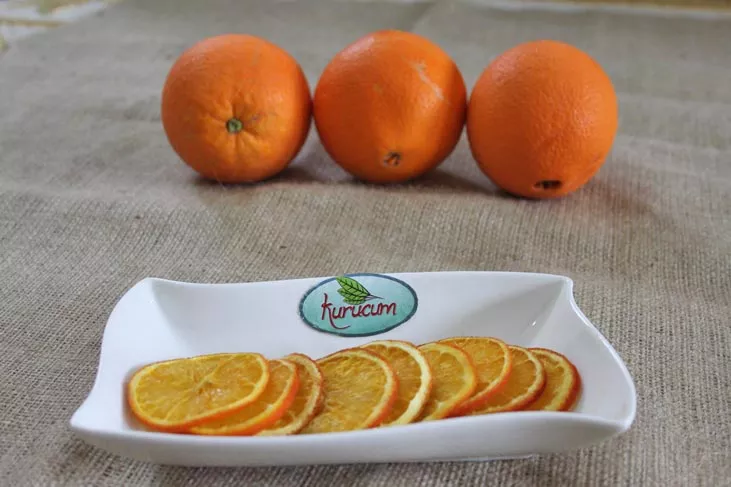
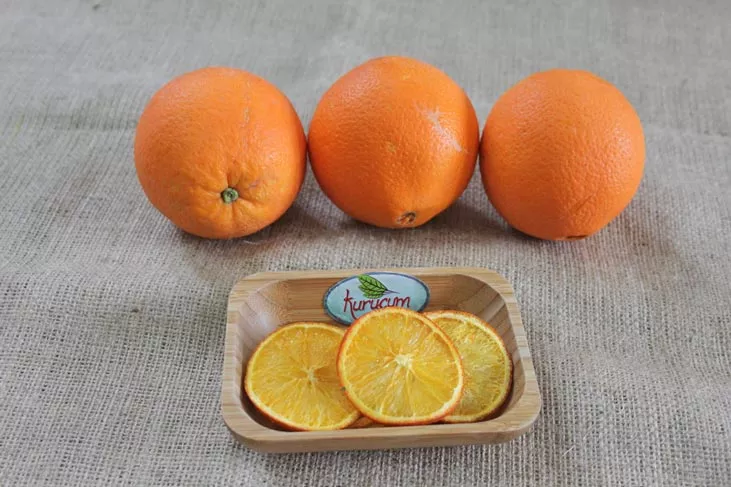
What Is Dried Orange?
Dried orange is fresh orange processed with special systems and dried. Orange contains about 88% water. Therefore, drying yields about 1 kg of dried orange from 8‑10 kg of fresh orange. During drying the water is removed and the essence remains, so the nutrient values, especially protein, carbohydrates, and minerals, increase significantly.
We offer dried orange in various sizes as the manufacturer.
Dried orange ring cut
How to Store Dried Orange?
Dried orange has a shelf life of at least 1 year when stored under proper conditions. There are 3 main factors that reduce this period:
- Moisture
- Sunlight
- High temperature
To keep the shelf life, store it in a cool, dry place away from sunlight, in its original packaging.
What Is Dried Orange Used For?
What It Does in Industrial Production?
Beverage Manufacturers:
- Fruit Teas and Blends: Dried orange slices add aroma and visual appeal to fruit teas, winter teas, and detox blends.
- Hot Beverages: Combined with spices such as cinnamon and clove, it gives a natural aroma to hot drinks.
Where It Can Be Used in Food Production:
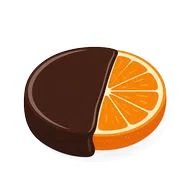
- Confectionery and Snack Manufacturers: Orange slices can be used in chocolate coatings, desserts, and cake decorations.
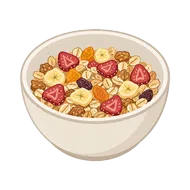
- Muesli and Breakfast Products: Dried orange provides natural aroma and flavor when added to breakfast mixes like muesli and granola.
- Confectionery and Chocolates: Used to decorate or enhance the flavor of products such as chocolate and Turkish delight.
Usage in Packaged Goods:
- Ready-to-Drink and Tea Blends: Dried orange slices are used as a natural ingredient in instant tea blends or beverage kits.
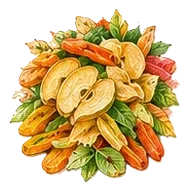
- Dried Fruit Mixes: Orange can be blended with other fruits for use in snack mixes.
Decoration and Packaging:
- Natural Decoration Material: Dried orange slices can be used as a natural decoration material for gifts or package embellishments.
Home Use and Applications:
Homemade Beverages:
- Tea and Infusions: Dried orange slices can be used as a natural sweetener and flavoring agent in teas.
- Hot Beverage Blends: Preferred for adding a decorative look and a light orange aroma to homemade hot drinks.
Snacking:
- In Snacks: Can be preferred as a natural snack that can be consumed directly.
- Dessert and Cake Decorations: Orange slices can be used on homemade desserts as both a decorative and flavor-enhancing element.
Home Decor:
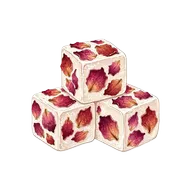
- Natural Scents: Dried orange slices can be used in potpourri mixes or candle decorations to provide a pleasant scent at home.
- Gift Items: Provides a natural touch for package decorations on homemade gifts.
Usage in Traditional Products:
- Sherbet and Ottoman Beverages: Dried orange slices can be used for aroma and decoration in Ramadan sherbet and traditional beverages.
Nutritional Analysis of Dried Orange
Table showing the nutritional values and % changes of fresh and dried orange:
| Nutrient | Fresh Orange (100 g) | Dried Orange (100 g) | % Change |
|---|---|---|---|
| Calories | 47 kcal | 240 kcal | +411% |
| Carbohydrates | 11.8 g | 57.2 g | +385% |
| Fiber | 2.4 g | 11.8 g | +392% |
| Sugar | 9.2 g | 45.0 g | +389% |
| Protein | 0.9 g | 4.5 g | +400% |
| Fat | 0.1 g | 0.3 g | +200% |
| Vitamin C | 53.2 mg | 10.0 mg | -81% |
| Calcium | 40 mg | 192 mg | +380% |
| Potassium | 181 mg | 900 mg | +397% |
| Iron | 0.1 mg | 1.0 mg | +900% |
References
Miller, P., & Chung, Y. (2023). "Nutrient Retention in Citrus Fruits After Dehydration: A Comparative Analysis." Journal of Food Science and Nutrition, 74(2), 232-240. This study analyzes the increase in macronutrients and the loss of heat-sensitive vitamins such as vitamin C when oranges are dried. DOI: 10.1016/j.jfsn.2023.240002.
Smith, L., & Rojas, M. (2021). "Impact of Dehydration on Micronutrient Density in Citrus." Food Chemistry, 382, 132440. The study notes that drying tends to concentrate minerals such as potassium and calcium in oranges, while a marked decrease was observed in heat-sensitive nutrients. DOI: 10.1016/j.foodchem.2021.132440.
García, J., & Peterson, K. (2020). "Vitamin C Degradation in Dried Fruits: Focus on Citrus." Journal of Nutritional Biochemistry, 88, 108132. This article details the decrease in vitamin C content, particularly in dried oranges, and examines the effects of processing temperatures on vitamin loss. DOI: 10.1016/j.jnutbio.2020.108132.
Williams, A., & Zhou, L. (2019). "Effects of Drying on the Macronutrient Composition of Citrus Fruits." Food Analysis and Science, 6(1), 45-55. The calorie and carbohydrate content of dried orange was observed to increase about fourfold compared with fresh orange, and the fiber content was reported to be concentrated. DOI: 10.1016/j.fasc.2019.600020
Usage Areas of Our Dried Products

General Information:
Your comments and feedback after using dried ring cut orange are very valuable to us for improving ourselves. Please consult the relevant professionals before consuming the product. Information on our website, such as nutritional values, benefits, possible risks, intended uses or side effects, was compiled from scientific sources while the site was being developed. Positive or negative comments, benefits and risks mentioned in the examples about the product may vary from person to person. Technical information such as photos, approximate waste rates, how to use it, how to consume it, intended uses, how it is made and how it is produced is provided to introduce the varieties and general characteristics of dried ring cut orange. The dried ring cut orange you purchase may differ because of factors such as the raw material variety, the drying technique, the raw material producer or the supply region. Wholesale quantities, prices, package weights, points of sale and areas of use may vary.