Rosehip
What is Rosehip?
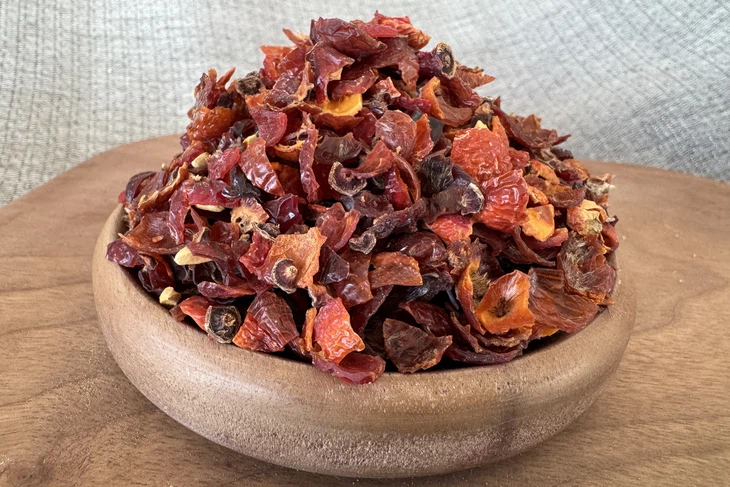
Rosehip (Rosa canina). A plant species that grows in Europe, northwest Africa, and western Asia. It has a hairy interior and numerous seeds. Dried rosehip is the dried form of this product used as tea and flavoring. We offer production in the following forms:
Dried rosehip whole
Dried rosehip crushed seedless shell
Dried rosehip seed (for oil)
How to Store Rosehip?
Dried rosehip has a minimum shelf life of 1 year when stored under suitable conditions. There are 3 main factors that reduce this period:
- Humidity
- Sunlight
- High temperature
To prevent shortening the shelf life, it should be kept in its own packaging in a cool, dry environment away from sunlight.
What are the Benefits of Rosehip?
What is it used for in industrial production?
Where can it be used in food production:
- Tea and Beverages: Dried rosehip is used in fruit teas, herbal teas, and detox drinks, especially in rosehip tea. Thanks to being rich in vitamin C, it may provide immune-boosting effects.
- Confectionery and Desserts: Dried rosehip can be used in desserts, jellies, marmalades, and jams. It also functions as a natural sweetener.
- Fruit Products: Dried rosehip can be used as a flavoring and aroma agent in fruit-based drinks, jellies, or jams.
- Biscuits and Cakes: Dried rosehip is used to add flavor to bakery products such as biscuits, cakes, and cookies.
- Flavorings and Natural Sweeteners: Dried rosehip can be preferred as a natural aroma and sweetener in food production.
Functional and Dietary Supplement Products:
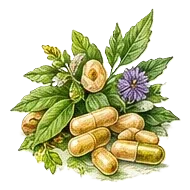
- Functional Foods: Rosehip is used in supplements to support the immune system and help prevent illnesses like the common cold due to its high vitamin C content.
- Digestive Support: Dried rosehip can be used in products that support digestive health.
- Immune Support: Rosehip has immune-boosting effects by increasing the body's resistance to diseases.
Cosmetics:
- Skincare Products: Rosehip is used in skincare products to moisturize, nourish, and balance skin tone.
- Natural Exfoliant: Dried rosehip removes dead cells and smoothes skin texture.
- Skin Health: With its antioxidant properties, rosehip may delay signs of aging and improve skin elasticity.
Uses at Home
Snacks and Diet:
- Snack Use: Dried rosehip can be consumed as a functional snack, providing a natural source of flavor and nutrients.
- For Children: Rosehip offers a functional snack alternative for children and contains high vitamin C.
Teas and Drinks:
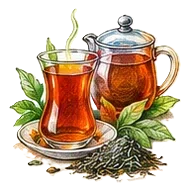
- Homemade Teas: Dried rosehip can be used in homemade rosehip teas, benefiting the immune system with its rich vitamin C content.
- Detox Drinks: Dried rosehip can be used in detox drinks and teas, providing a purifying effect on the body.
Baking:
- Homemade Desserts: Dried rosehip can be used in cakes, biscuits, and other desserts, making it ideal for adding natural flavor and aroma.
- Jams and Jellies: Rosehip can be used in homemade jams and jellies, serving as both a sweetener and a nutritional booster.
Skincare:
- Natural Face Masks: Dried rosehip can be used in face masks. It may help nourish, moisturize, and balance skin tone.
- Skin Exfoliation: Rosehip can be used as a natural exfoliant to remove dead skin cells.
- Skin Health: Dried rosehip supports skin health, promoting a more youthful and vibrant appearance.
Nutritional Values of Fresh vs. Dried Rosehip
| Nutritional Values (100 g) | Fresh Rosehip (g) | Dried Rosehip (g) | % Change |
|---|---|---|---|
| Calories | 50 | 300 | +500% |
| Carbohydrates | 13 | 70 | +438% |
| Fiber | 6 | 18 | +200% |
| Sugar | 6 | 35 | +483% |
| Protein | 1.2 | 3 | +150% |
| Fat | 0.1 | 1.5 | +1400% |
| Vitamin C | 426 | 170 | -60% |
| Vitamin A | 0 | 1.4 | - |
| Calcium | 70 | 280 | +300% |
| Iron | 0.6 | 1.5 | +150% |
| Potassium | 306 | 1200 | +292% |
| Sodium | 1 | 5 | +400% |
Sources
- Kaltwasser, S. et al. (2020). "Nutritional and Health Benefits of Rosehips: A Comprehensive Review." Nutrients, 12(3), 701-715. DOI:10.3390/nu12030701
- Faiz, F. et al. (2019). "Chemical Composition and Biological Activity of Rosehip Extract." Food Chemistry, 300, 125175.
- Mardani, H. et al. (2021). "Phytochemical Profile of Rosehips: A Review of Their Nutritional and Pharmacological Properties." Journal of Ethnopharmacology, 273, 113917.
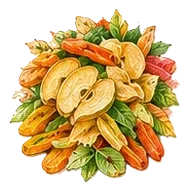
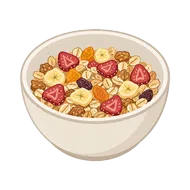
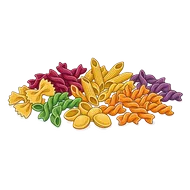
Usage Areas of Our Dried Products






General Information:
Your comments and feedback after using rosehip are very valuable to us for improving ourselves. Please consult the relevant professionals before consuming the product. Information on our website, such as nutritional values, benefits, possible risks, intended uses or side effects, was compiled from scientific sources while the site was being developed. Positive or negative comments, benefits and risks mentioned in the examples about the product may vary from person to person. Technical information such as photos, approximate waste rates, how to use it, how to consume it, intended uses, how it is made and how it is produced is provided to introduce the varieties and general characteristics of rosehip. The rosehip you purchase may differ because of factors such as the raw material variety, the drying technique, the raw material producer or the supply region. Wholesale quantities, prices, package weights, points of sale and areas of use may vary.