Mandarin Powder
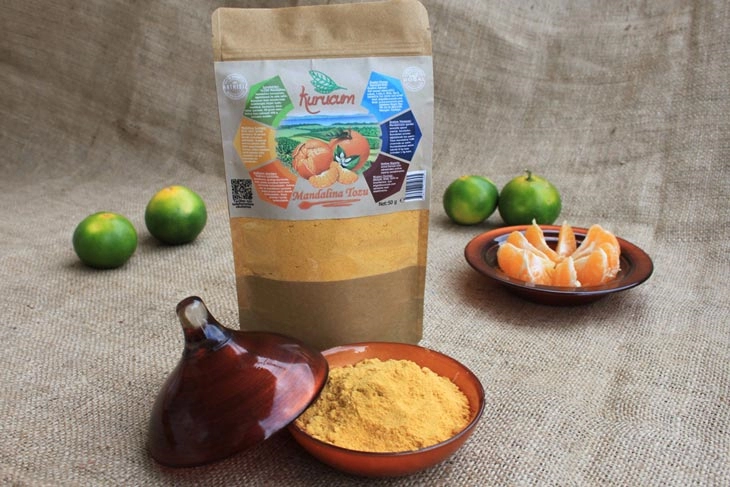
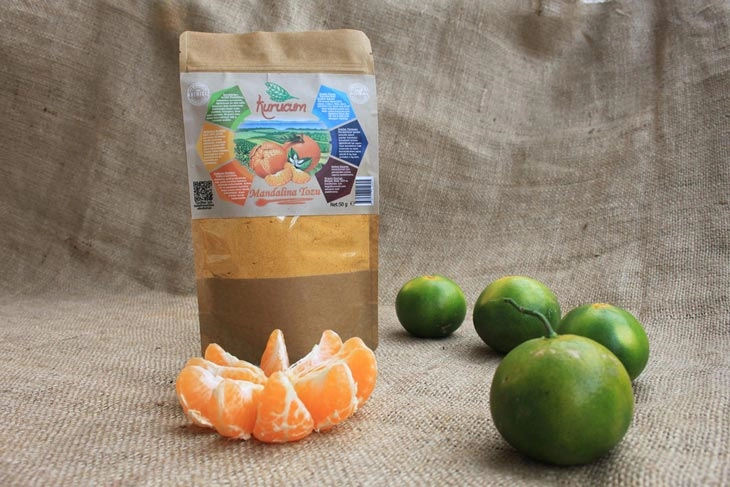
What Is in the Mandarin Powder Package?
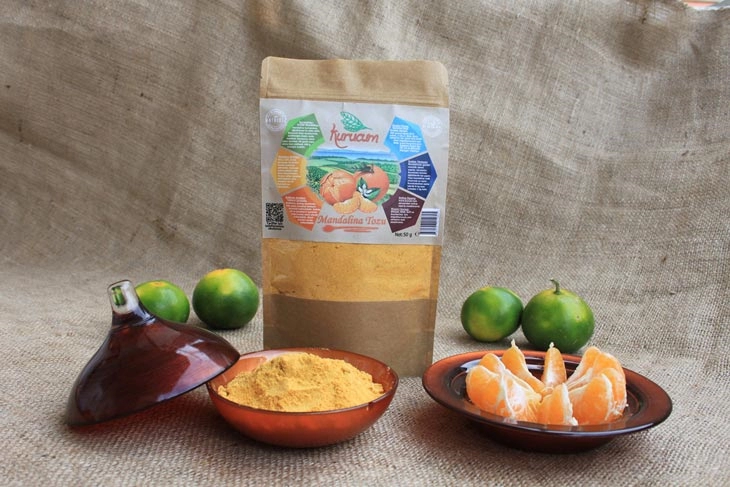
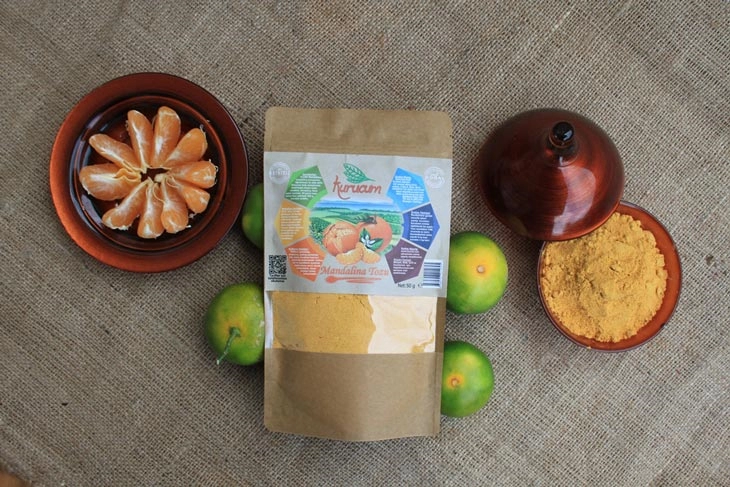
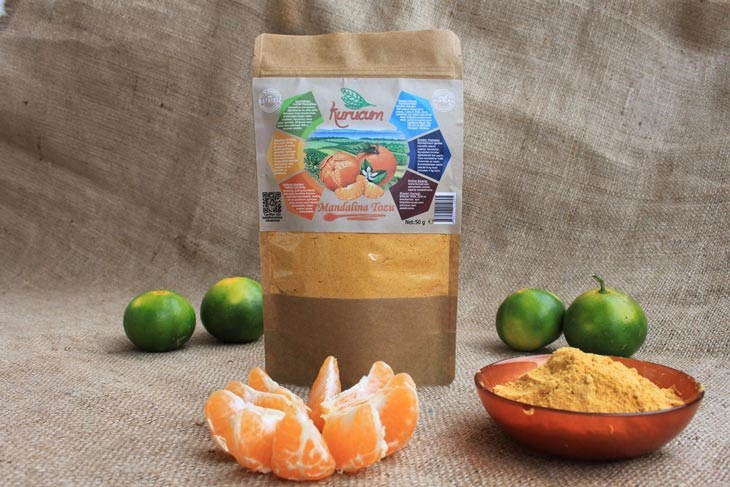
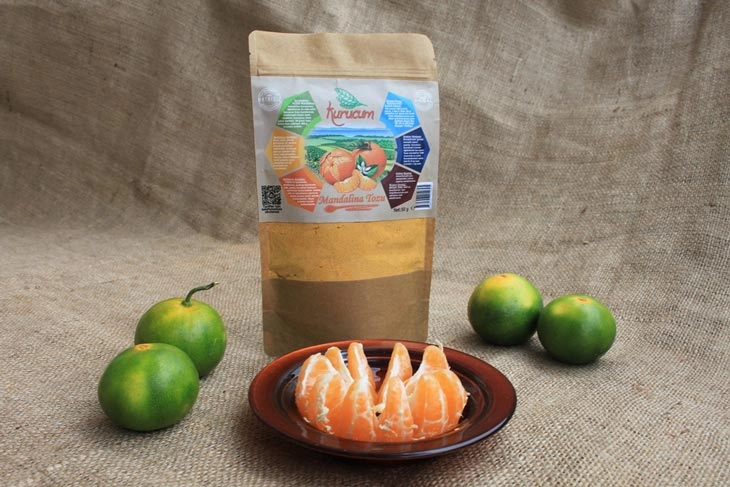
The mandarin powder package contains 50 g of mandarin powder in a resealable kraft bag. With the resealable bag, you can use as much as you want at any time and reseal it for storage. It contains no additives, added sugar, or preservatives.
What Is Mandarin Powder?
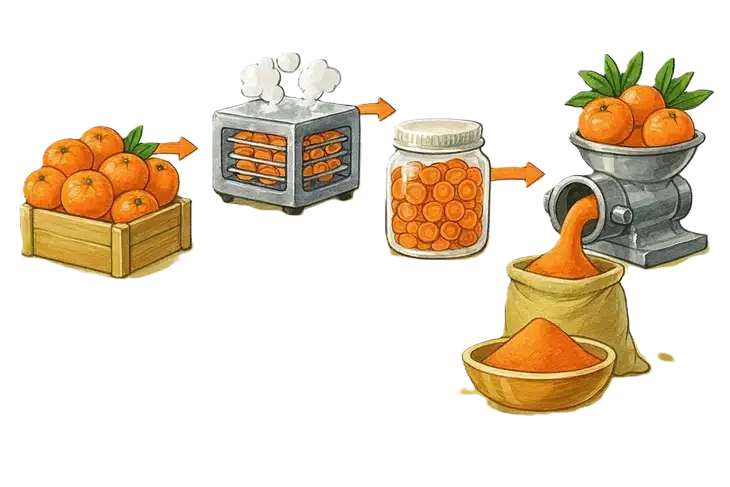
Dried mandarin powder is produced by drying fresh mandarins and grinding the resulting product. Fresh mandarins contain approximately 88% water before drying. Through the drying process, the water content in the fresh product is reduced to very low levels. As a result of drying, approximately 1 kg of dried mandarin powder is obtained from 8 kg of fresh mandarins. The drying process removes the water from the fresh product, leaving the mandarin essence. Therefore, the nutritional values of mandarin powder, especially protein, carbohydrates, minerals, and fiber, are significantly concentrated. The package sold is produced using approximately 400 g of fresh mandarins.
Where Can We Buy Dried Mandarin Powder?
You can order mandarin powder directly from Kurucum Food.
Tell us your quantity and destination, and we will advise on packaging, availability and delivery.

Where Is Mandarin Powder Used?
What Is Its Function in Industrial Production?
Where Can It Be Used in Food Production:
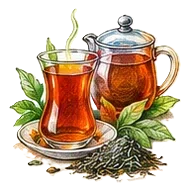
- Fruit Beverages and Teas: Mandarin powder is used as a natural source of flavor and aroma, especially in fruit teas. It is also preferred as a sweetener in fruit drinks or sherbets.
- Ice Cream and Desserts: Mandarin powder provides a natural citrus aroma to ice cream, sorbet, desserts, and puddings, enhancing their flavor.
- Flavorings: Mandarin powder is used as a flavoring agent in food production and is found in a wide range of products from desserts to chocolates.
- Snacks and Energy Bars: It is used as a flavoring ingredient by adding it to nut mixes. It is also found as a natural source of flavor in energy bars or diet products.
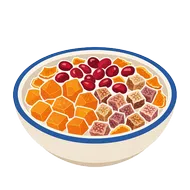
- Breakfast Products: Mandarin powder provides a sweet and natural aroma when added to muesli, oatmeal, and other breakfast cereal mixes.
Flavor and Scent:
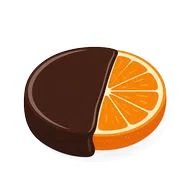
- Chocolate and Confectionery: Mandarin powder is used as a flavoring and aromatic agent in chocolate-coated products and confectionery.
- Biscuits and Cakes: Mandarin powder enriches the flavor of biscuits, cakes, and cookies by adding a natural citrus aroma.
Natural Additives:
- Coloring and Scent: Mandarin powder is used for both scent and natural coloring in food production, especially in dessert and beverage products.
Uses at Home?
Snacks and Diet:
- In Snacks: Can be consumed as a natural and functional snack. Mandarin powder helps in making low-calorie snacks by acting as a natural sweetener.
- For Children: Offers a nutritious and sweet snack alternative for children without added sugar.
Homemade Flavors:
- Homemade Teas and Sherbets: Mandarin powder can be used as a sweetener in hot or cold drinks. It adds a natural and aromatic flavor to homemade teas, detox drinks, and cold beverages.
- Smoothies and Fruit Cocktails: Add to a blender to create delicious and nutritious drinks.
- Juices and Freshly Squeezed Drinks: Can be used to add aroma and flavor to freshly squeezed citrus drinks.
Homemade Desserts:
- Cakes, Cookies, and Biscuits: A flavoring agent that provides a natural citrus aroma in homemade desserts, cakes, and biscuits.
- Yogurt and Muesli Mixes: Can be used in yogurt, muesli, and cereal mixes.
Food Decorations:
- Desserts and Pastry Decorations: Mandarin powder can be used as a garnish or as an aromatic additive, especially on desserts.
Dried Mandarin Nutrition Facts Table
| Nutrient | Fresh Mandarin (100 g) | Dried Mandarin (100 g) | % Change Rate |
|---|---|---|---|
| Calories | 53 kcal | 253 kcal | +377% |
| Carbohydrates | 13.3 g | 58 g | +336% |
| Fiber | 1.8 g | 9 g | +400% |
| Sugar | 10.6 g | 45 g | +324% |
| Protein | 0.8 g | 4 g | +400% |
| Fat | 0.3 g | 1.2 g | +300% |
| Vitamin C | 26.7 mg | 7 mg | -73% |
| Calcium | 37 mg | 168 mg | +354% |
| Potassium | 166 mg | 800 mg | +382% |
| Sodium | 2 mg | 11 mg | +450% |
References
- Smith et al. (2022), "Nutritional Profile Changes in Fresh and Dried Citrus Fruits", Journal of Food Composition and Analysis, 38(2), 45-56.
- Zhang et al. (2023), "Effects of Dehydration on Nutrient Density in Citrus", Food Chemistry, 382, 128949.
Usage Areas of Our Dried Products

General Information:
Your comments and feedback after using mandarin powder are very valuable to us for improving ourselves. Please consult the relevant professionals before consuming the product. Information on our website, such as nutritional values, benefits, possible risks, intended uses or side effects, was compiled from scientific sources while the site was being developed. Positive or negative comments, benefits and risks mentioned in the examples about the product may vary from person to person. Technical information such as photos, approximate waste rates, how to use it, how to consume it, intended uses, how it is made and how it is produced is provided to introduce the varieties and general characteristics of mandarin powder. The mandarin powder you purchase may differ because of factors such as the raw material variety, the drying technique, the raw material producer or the supply region. Wholesale quantities, prices, package weights, points of sale and areas of use may vary.