Pumpkin Powder
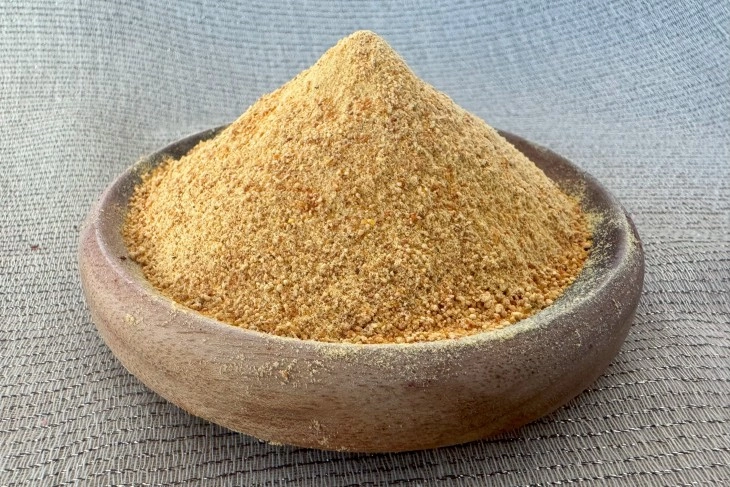
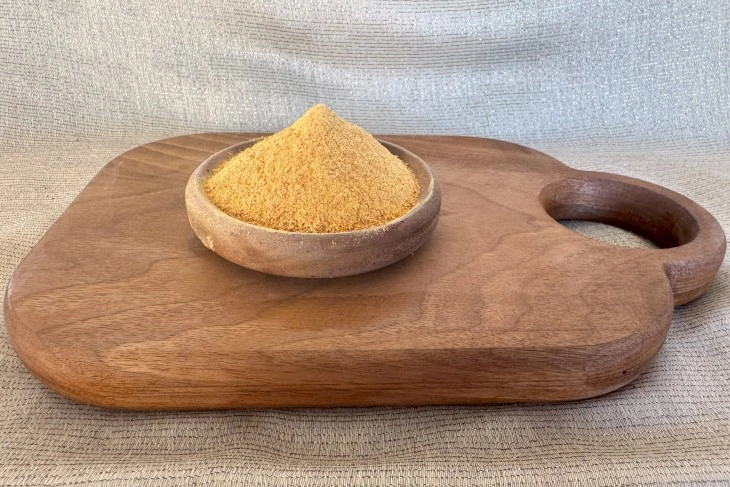
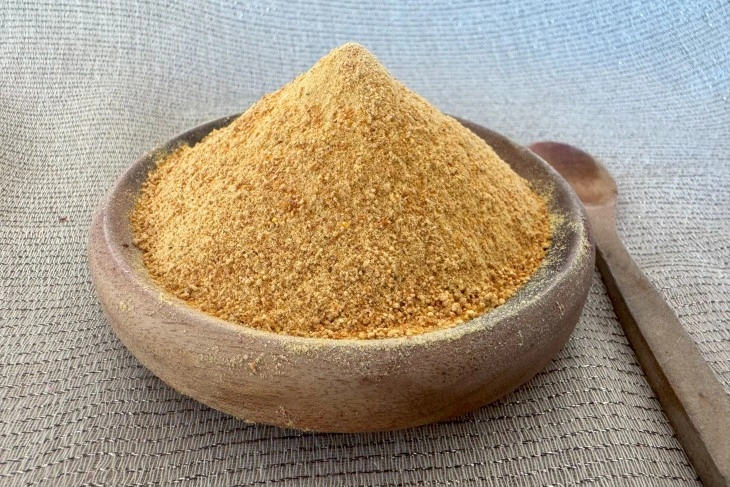
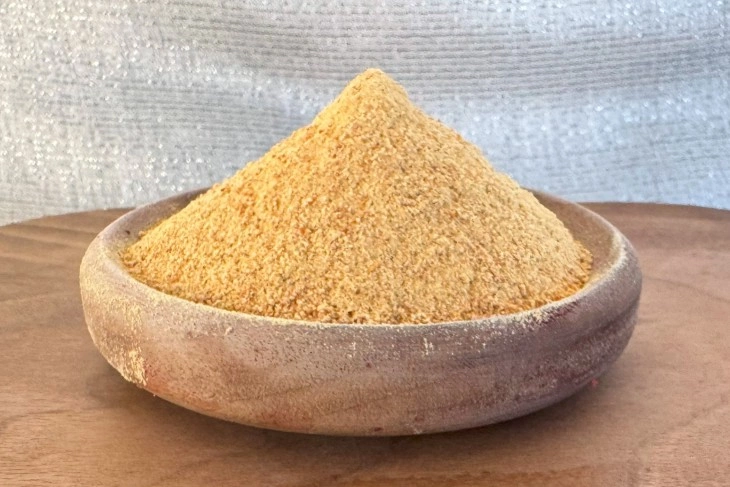
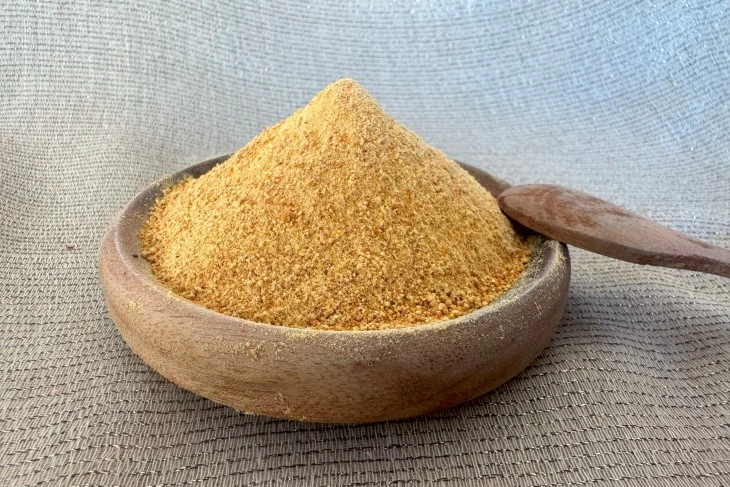
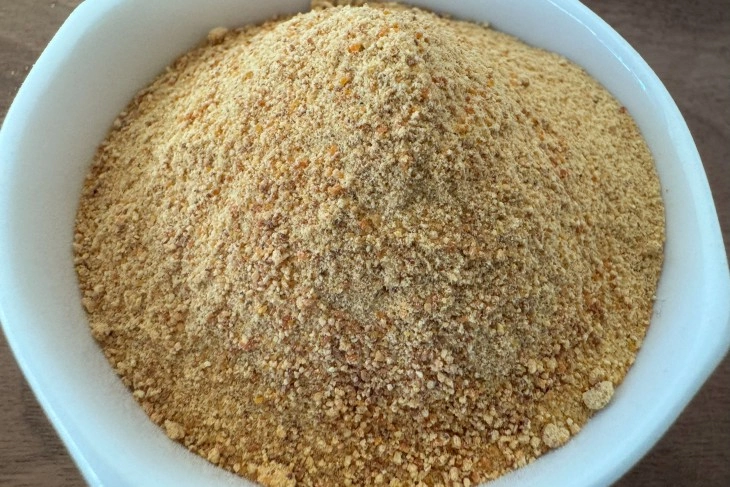
What Is Pumpkin Powder?
We can answer the question of what pumpkin powder is as follows:
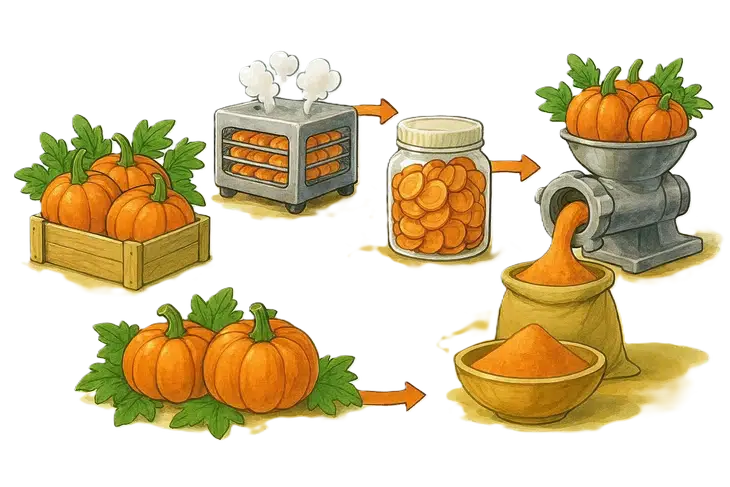
It is the dried form of fresh pumpkin. Through the drying process, its water content is significantly reduced, and its nutritional values become concentrated. After production, the dried pumpkin is ground using special systems to become pumpkin powder.What changes when fresh pumpkin is dried? Let's look at the ratios…
- Fresh pumpkin contains approximately 94% water.
- With the drying process, most of this water is removed, leaving the essence of the product.
- Approximately 1 kg of pumpkin powder is produced from 15 kg of fresh pumpkin. Pumpkin powder is obtained by grinding dried pumpkin.
- Maltodextrin is added during drying to prevent the loss of beta-carotene.
- This process increases the nutritional values (protein, carbohydrates, minerals, etc.) of the dried pumpkin. Note:
In the production of dried pumpkin, maltodextrin is added during the drying process to prevent the loss of beta-carotene.
Dried Pumpkin Varieties
- Dried Pumpkin Powder0-1 mm
- Dried Pumpkin Diced
- Dried Pumpkin Sliced
How to Store Pumpkin Powder?
Dried pumpkin powder has a shelf life of at least 1 year when stored under suitable conditions. There are 3 main factors that reduce this period:
- Humidity
- Sunlight
- High temperature
To maintain shelf life, store in its original packaging in a cool, dry place away from direct sunlight.
Where is pumpkin powder used?
What is its role in industrial production?
1. Convenience Food Manufacturers
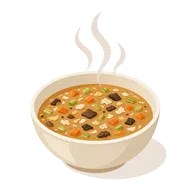
- Instant Soup and Sauce Production:
Pumpkin powder is used as a thickener and natural flavoring in instant soup and sauce mixes.- What does pumpkin powder do? It provides flavor balance with its slightly sweet and creamy texture.
- What is the benefit of using pumpkin powder? It can be stored for a long time without spoiling and offers a natural consistency.
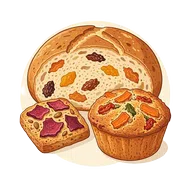
2. Bakery Products and Desserts
- Cookies, Cakes, and Tarts:
Pumpkin powder adds flavor, color, and nutritional value to bakery products.- What does pumpkin powder do? Its natural sweetness reduces the need for sugar and adds moisture to recipes.
- What is the benefit of using pumpkin powder? It is a natural source of color and flavor.
3. Baby Food and Children's Products
- Purees and Snacks:
It is used as a nutritious ingredient in baby foods and snack recipes.- What does pumpkin powder do? It is a rich source of vitamins and minerals.
- What is the benefit of using pumpkin powder? It offers a natural option free from additives.
4. Animal Feed Manufacturers
- Vitamin Supplement:
Pumpkin powder is used as a natural source of vitamins and fiber in animal feed.- What does pumpkin powder do? It has properties that support digestion and strengthen immunity.
- What is the benefit of using pumpkin powder? It is an economical and natural feed additive.
5. Processed Food and Vegan Products
- Vegan Cheese and Meat Alternatives:
Pumpkin powder is used as a thickener and flavor enhancer in vegan products.- What does pumpkin powder do? It creates flavor balance with its slightly sweet and creamy texture.
- What are the benefits of using pumpkin powder? It is a natural, vegan additive.
6. Smoothies and Beverage Mixes
- Powder Mixes and Protein Bars:
Used as a nutritional enhancer in functional beverage and snack mixes.- What is pumpkin powder used for? Its high fiber content provides energy and satiety.
- What are the benefits of using pumpkin powder? It is practical and easy to store.
Home Use and Applications
7. Homemade Soups and Meals
- Thickener and Flavor Enhancer:
Pumpkin powder is used to add body and flavor to homemade soups, purees, and meals.- What is pumpkin powder used for? Its mildly sweet flavor enriches the taste of dishes.
- What are the benefits of using pumpkin powder? It has a longer shelf life than fresh pumpkin.
8. Smoothies and Functional Drinks
- Vitamin and Fiber Supplement:
Added to smoothies as a natural sweetener and nutritious ingredient.- What is pumpkin powder used for? Its fiber content supports digestion.
- What are the benefits of using pumpkin powder? It mixes easily and adds a natural flavor.
9. Cakes, Cookies, and Dessert Recipes
- Flavor and Color Agent:
Pumpkin powder is a source of natural color and flavor in homemade desserts.- What is pumpkin powder used for? Its natural sweetness helps reduce sugar usage.
- What are the benefits of using pumpkin powder? It is a suitable alternative for functional recipes.
10. Baby and Toddler Foods
- Purees and Soups:
Used as a natural source of vitamins and fiber in baby and toddler meals.- What is pumpkin powder used for? It is easy to digest and its nutritional content may support healthy growth.
- What are the benefits of using pumpkin powder? It is practical and safe to prepare.
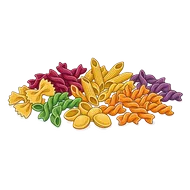
11. Pasta, Ravioli, and Noodles
- How to Use in Dough Products:
Used to add color and flavor to homemade pasta and noodles.- What is Pumpkin Powder Used For? It is a natural additive with a vibrant color and nutritious structure.
- What is the Benefit of Using Pumpkin Powder? It offers a visually rich and beneficial alternative.
12. Spice Blends and Sauces
- Natural Flavor and Texture Enhancer:
Pumpkin powder is added to various spice blends and sauces.- What is Pumpkin Powder Used For? It blends into recipes with its sweet and slightly creamy aroma.
- What is the Benefit of Using Pumpkin Powder? It creates a natural alternative to synthetic additives.
Dried Pumpkin Nutritional Values
| Nutrient | Fresh Pumpkin (100 g) | Dried Pumpkin (100 g) | % Change Rate |
|---|---|---|---|
| Calories | 26 kcal | 335 kcal | +1185% |
| Carbohydrates | 7 g | 82 g | +1071% |
| Fiber | 0.5 g | 18 g | +3500% |
| Sugar | 2.76 g | 33 g | +1092% |
| Protein | 1 g | 12 g | +1100% |
| Fat | 0.1 g | 1 g | +900% |
| Calcium | 21 mg | 25 mg | +19% |
| Iron | 0.8 mg | 2.5 mg | +212% |
| Potassium | 340 mg | 600 mg | +76.5% |
| Sodium | 1 mg | 2 mg | +100% |
| Vitamin C | 9 mg | 0.8 mg | -91% |
| Glycemic Index | 75 (high) | 40 (medium) | -47% |
References
USDA FoodData Central.U.S. Department of Agriculture. (2023). "Pumpkin, raw."
Bocanegra, J. A., et al. (2019). "Nutritional Composition and Health Benefits of Pumpkin (Cucurbita pepo) and Its Derivatives." Journal of Food Science and Agriculture. 99(10): 4386-4398. DOI: 10.1002/jsfa.9947.
Oshodi, A. A., & Olawale, F. (2020). "Comparative Analysis of Nutritional and Phytochemical Properties of Fresh and Dried Pumpkin (Cucurbita pepo)." Food Chemistry. 309: 125666. DOI: 10.1016/j.foodchem.2019.125666.
Rao, R. M., & Raghavan, G. S. V. (2021). "Impact of Drying Methods on Nutritional and Antioxidant Properties of Pumpkin (Cucurbita maxima)." Nutrients. 13(3): 883. DOI: 10.3390/nu13030883.
Sreeramulu, J., et al. (2020). "Nutritional and Functional Evaluation of Pumpkin Powder and Its Application in the Development of Functional Foods." Journal of Food Science and Technology. 57(4): 1448-1457. DOI: 10.1007/s11483-019-01625-4.
Adeleke, R. O., & Odunola, O. A. (2018). "Physicochemical Properties and Nutritional Value of Fresh and Dried Pumpkin Seeds." International Journal of Food Science and Nutrition. 3(1): 19-25. DOI: 10.11648/j.food.20180301.13.
Usage Areas of Our Dried Products
General Information:
Your comments and feedback after using pumpkin powder are very valuable to us for improving ourselves. Please consult the relevant professionals before consuming the product. Information on our website, such as nutritional values, benefits, possible risks, intended uses or side effects, was compiled from scientific sources while the site was being developed. Positive or negative comments, benefits and risks mentioned in the examples about the product may vary from person to person. Technical information such as photos, approximate waste rates, how to use it, how to consume it, intended uses, how it is made and how it is produced is provided to introduce the varieties and general characteristics of pumpkin powder. The pumpkin powder you purchase may differ because of factors such as the raw material variety, the drying technique, the raw material producer or the supply region. Wholesale quantities, prices, package weights, points of sale and areas of use may vary.