Turmeric Powder
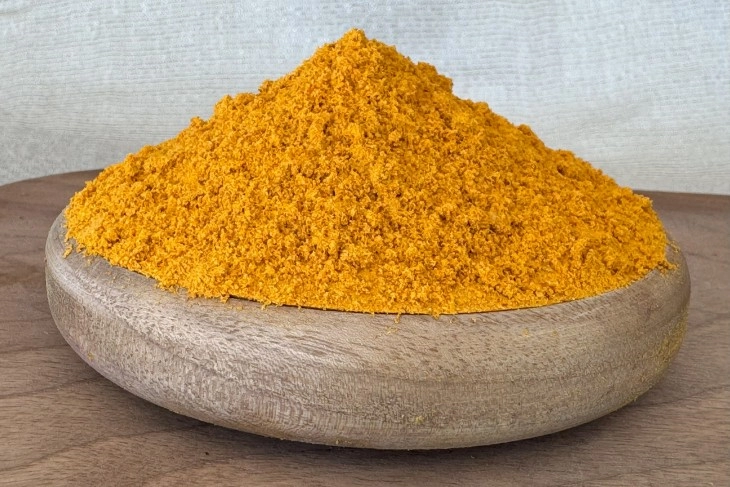
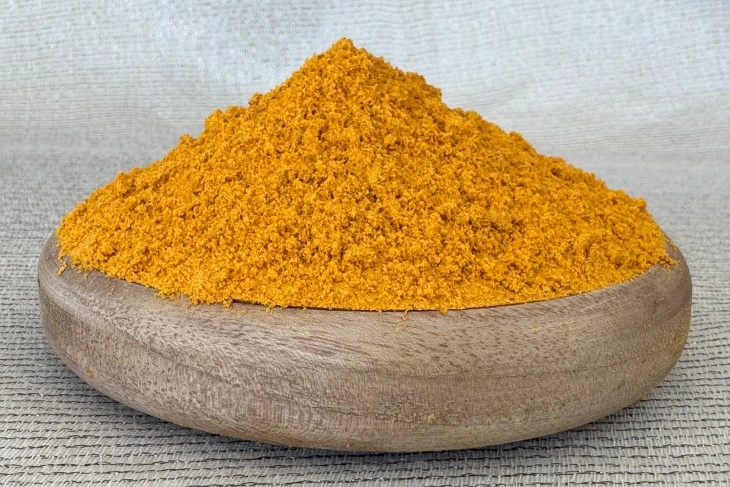
What Is Turmeric Powder?
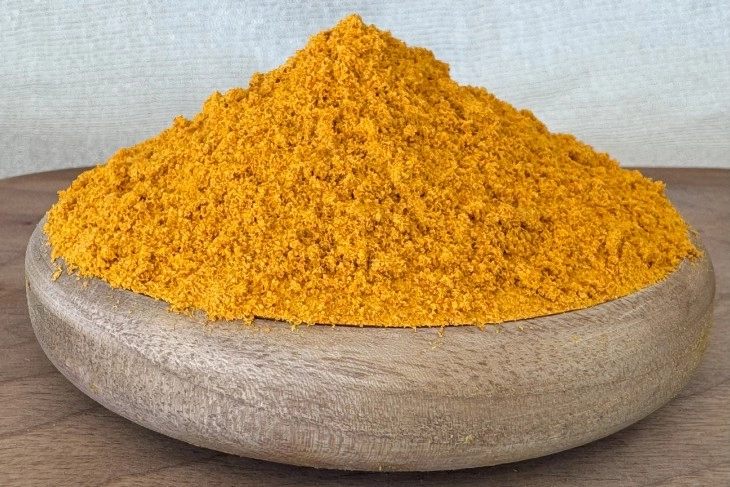
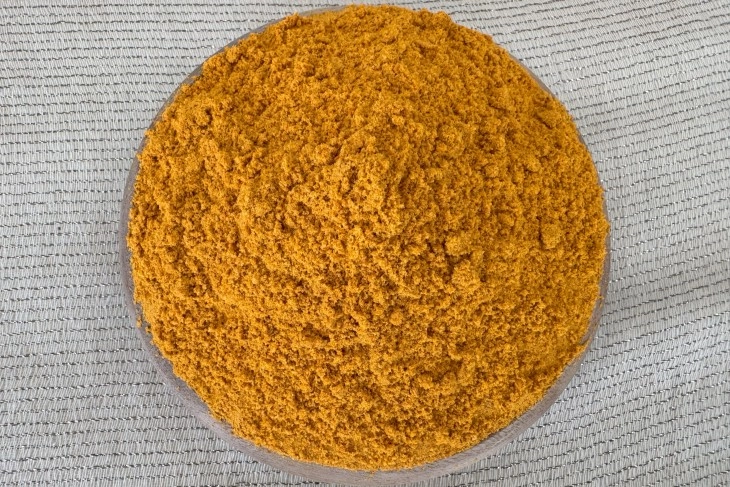
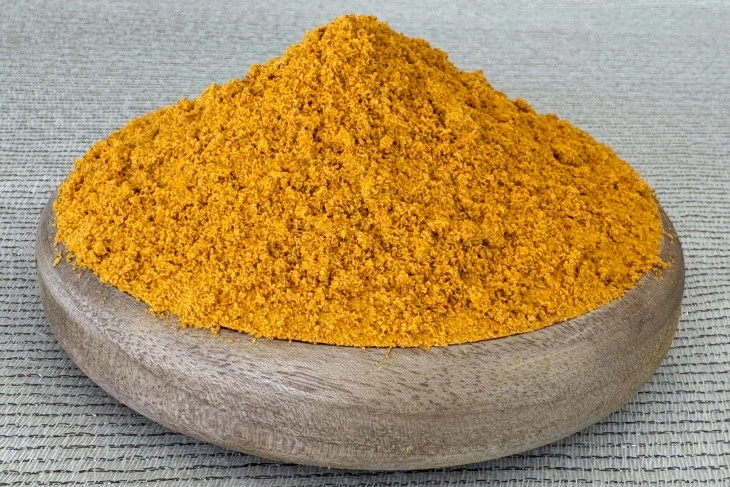
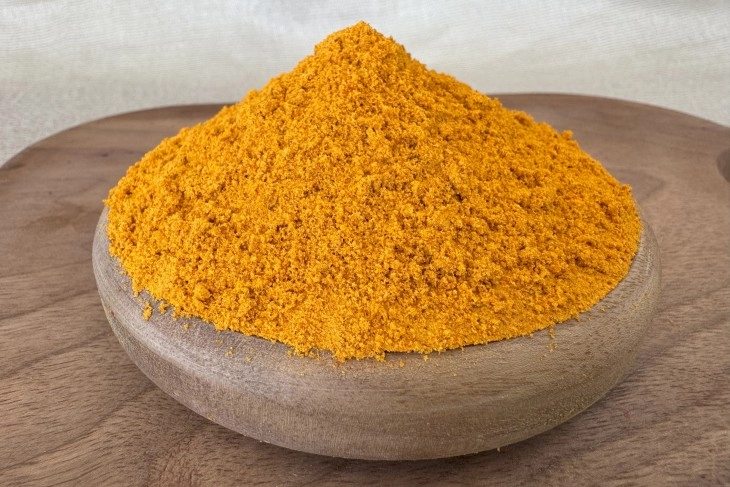
Turmeric powder is the ground form of the product obtained by drying fresh turmeric.
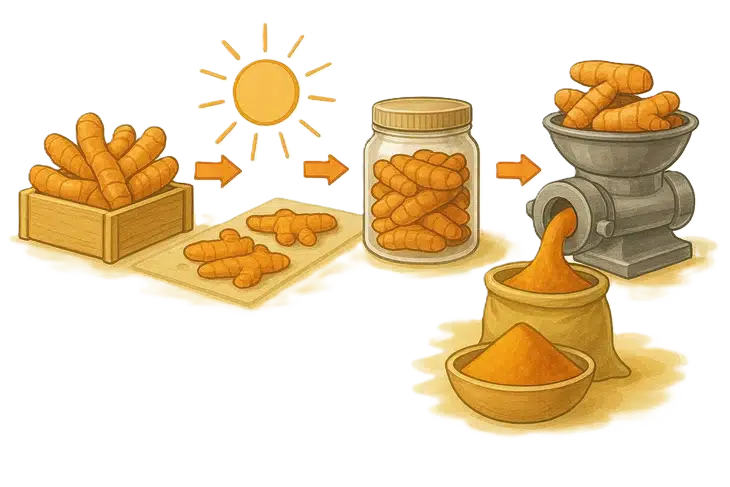
How is the dried turmeric powder we manufacture made?
How to Store Turmeric Powder?
Dried turmeric powder has a minimum shelf life of 1 year when stored under suitable conditions. There are 3 main factors that reduce this period:
- Humidity
- Sunlight
- High temperature
To prevent shortening its shelf life, it should be kept in its own packaging in a cool, dry environment away from sunlight.
Where Is Turmeric Powder Used?
1. Food and Beverage Industry
- Spice and Flavoring: Turmeric is used as a flavoring spice in many dishes.
- Natural Colorant: It is used as a yellow food coloring with the code E-100 curcumin. It is found in products such as snacks, processed foods, mustard, and sauces.
- Functional Foods and Beverages: Due to its antioxidant and anti-inflammatory effects, turmeric is used in functional beverages and functional snacks.
2. Cosmetics and Personal Care Industry
- Skincare: It is found in products (face masks, cleansers) with purifying and balancing properties for acne-prone skin.
- Anti-Aging Products: Due to its antioxidant properties, it is used in anti-aging creams, lotions, and serums.
- Soap and Shampoo: It may be found in shampoos and soaps due to its scalp-cleansing and skin-soothing effects.
3. Herbal Supplements
- Nutritional Supplements: Curcumin is used in dietary supplements for products that support joint health, digestion, and the immune system.
- Functional Food and Research: Due to properties such as its anti-inflammatory and anticancer potential, pharmacological research is conducted on curcumin.
- Phytotherapy and Alternative Medicine: It is found in natural functional products as an anti-inflammatory and for general health support.
4. Textile Industry
- Natural Dye: It is a natural source of yellow pigment as an alternative to chemical dyes. It is used in textile dyeing, particularly in organic fabric dyeing processes.
- Handicrafts: Turmeric is used as a natural option in traditional fabric dyeing techniques or ecological fashion projects.
5. Chemical and Biotechnology Industry
- Laboratory Research: Curcumin is used in research due to its antioxidant and antimicrobial properties.
- Analytical Chemistry: Curcumin is used as a reagent or subject of study in various chemical analyses and biomedical research.
- Biomedical Applications: Turmeric is evaluated in functional food development and biomedical materials, as well as in research on biopolymers and other biological solutions.
Nutritional Value Comparison Table: Fresh and Dried Turmeric
| Nutrient | Fresh Turmeric (100 g) | Dried Turmeric (100 g) | % Change |
|---|---|---|---|
| Calories | 60 kcal | 312 kcal | +420% |
| Carbohydrates | 13.2 g | 65 g | +392% |
| Fiber | 2.1 g | 22 g | +947% |
| Sugar | 1.2 g | 3.2 g | +166% |
| Protein | 1.8 g | 9.6 g | +433% |
| Fat | 0.9 g | 10 g | +1011% |
| Calcium | 183 mg | 1680 mg | +819% |
| Potassium | 208 mg | 2525 mg | +1114% |
| Sodium | 38 mg | 27 mg | -29% |
| Vitamin C | 23.9 mg | 0.7 mg | -97% |
Sources
- Shah, M. et al. (2013). "Nutritional Composition of Turmeric (Curcuma longa L.)". Journal of Food Science and Technology.
- Singh, B., et al. (2018). "Comparison of Nutrient Composition of Fresh and Dried Turmeric." International Journal of Food Science & Technology.
- Kaur, R., & Luthra, S. (2015). "Effect of Drying Methods on the Nutritional Value of Turmeric." Food Chemistry.
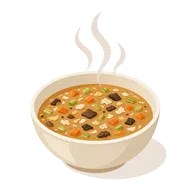
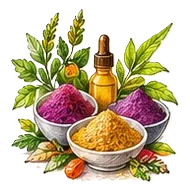
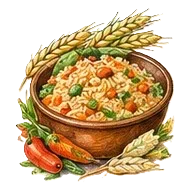
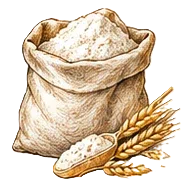
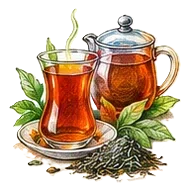
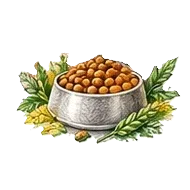
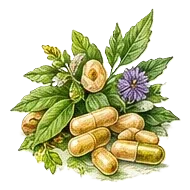
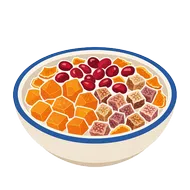
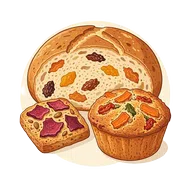
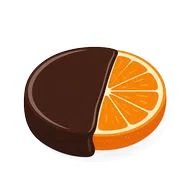
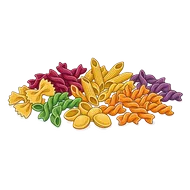
Usage Areas of Our Dried Products
General Information:
Your comments and feedback after using turmeric powder are very valuable to us for improving ourselves. Please consult the relevant professionals before consuming the product. Information on our website, such as nutritional values, benefits, possible risks, intended uses or side effects, was compiled from scientific sources while the site was being developed. Positive or negative comments, benefits and risks mentioned in the examples about the product may vary from person to person. Technical information such as photos, approximate waste rates, how to use it, how to consume it, intended uses, how it is made and how it is produced is provided to introduce the varieties and general characteristics of turmeric powder. The turmeric powder you purchase may differ because of factors such as the raw material variety, the drying technique, the raw material producer or the supply region. Wholesale quantities, prices, package weights, points of sale and areas of use may vary.